Sudha Solutions

Categories
AEO Optimization General SEO

How to Monitor Brand Mentions: Tools, Strategies & SEO Benefits (2026 Guide)

Tracking your brand used to be simple. You’d open Google Search Console, skim through keyword reports, maybe set up a few alerts, and feel reasonably confident you knew where and how your brand was being talked about.

That confidence doesn’t hold up anymore.

In 2026, brand mention monitoring is no longer just a tracking activity, it’s a critical layer of brand mentions SEO visibility across both search engines and AI platforms.

These mentions don’t show up in Search Console. They don’t trigger traditional alerts. And more often than not, they leave no obvious trail.

The result? A massive blind spot.

Your brand could be recommended, summarized, compared, or even misrepresented across AI systems, and you’d have no clear way to see it, measure it, or respond to it. For marketers and SEO professionals, this is not just a visibility problem but a control problem.

So how do you monitor something that isn’t directly visible?

This guide breaks it down. We’ll explore the tools that are adapting to this shift, the strategies for brand mention monitoring, and the SEO benefits of getting this right early, before your competitors do.

Key Takeaways: Things You’ll Learn About in this Article

  • Brand mentions are now a core ranking and AI visibility signal, not just a PR metric.
  • Unlinked mentions are high-conversion link building opportunities.
  • AI systems rely on web-wide brand presence, not just your website.
  • The TRACK framework turns monitoring into a repeatable growth system.
  • Brands that monitor and respond faster build compounding visibility across SEO and AI.

What Are Brand Mentions, and Why Do They Matter in 2026?

Today, brand mentions SEO has evolved beyond backlinks, becoming a core signal for how search engines and AI systems evaluate authority.

A brand mention is any online reference to your brand (your company name, product, services, founder, or domain), regardless of whether or not it includes a hyperlink back to your site.

That mention in a Quora thread? A brand mention. The Forbes article that referenced you without linking? A brand mention. A YouTube review where someone talks about your work? Yes. A brand mention.

However, brand mentions come in two forms that your strategy should treat very differently:

  • Linked mentions: references with an active backlink. These pass direct SEO authority and referral traffic.
  • Unlinked mentions: references without a hyperlink. These don’t pass link equity directly, but they’re far from worthless. They build brand recognition, strengthen entity authority, and critically, they’re reclaiming opportunities. Every unlinked mention is a backlink you simply haven’t claimed yet.

Here’s what makes 2026 a turning point: AI search engines are now trained on and influenced by brand mentions across the web.why brand mentions matters

According to a study by Ahrefs analysing 75,000 brands, branded web mentions show the strongest correlation (0.664) with brand visibility in Google AI Overviews, significantly stronger than backlinks (0.218). The top three correlating factors were all brand signals: web mentions, branded anchors, and branded search volume.

In simpler words, brands that are mentioned more across the web are far more likely to be recommended by AI. Brand mention tracking is no longer a PR nice-to-have. It’s an AI visibility signal you don’t want to miss out on.

While working with brands across e-commerce, D2C, fintech, and B2B at Sudha Solutions, we’ve seen unmonitored mentions quietly erode brand equity and actively monitored ones compound into rankings, citations, and revenue.

Do Brand Mentions Actually Help SEO?

Short answer: yes, and this is where brand mentions SEO plays a significant role in improving rankings, entity authority, and brand mentions SEO visibility across search and AI ecosystems.

1. Co-citation as a ranking signal

Google’s entity recognition systems read billions of web pages and identify brand names, then associate them with topics, categories, and sentiment. Google’s 2014 patent on “implied links” explicitly defines unlinked mentions as ranking factors and the algorithm has only gotten more sophisticated since.

According to SearchAtlas, campaigns integrating brand mention monitoring and entity prominence optimisation increased keyword rankings by an average of 18% compared to link-only strategies.

2. The E-E-A-T multiplier

When authoritative industry publications, review platforms, and community forums mention your brand in relevant contexts, it reinforces your Experience, Expertise, Authoritativeness, and Trustworthiness profile. This is especially critical in competitive or YMYL-adjacent categories.

In Moz’s 2023 Search Ranking Factors study, sites with over 70% positive sentiment mentions received 15% higher average rankings than competitors with similar mention counts but lower sentiment.

3. The AI Visibility Connection

This is where brand mentions SEO visibility becomes critical. AI systems rely heavily on how frequently and where your brand is mentioned across the web.

Ahrefs has already proven that brands earning the most web mentions earn up to 10x more mentions in Google AI Overviews compared to the next closest quartile. Separately, domains with profiles on Trustpilot, G2, Capterra, and Yelp have 3x higher chances of being chosen by ChatGPT as a source compared to sites without such presence (SE Ranking, 2025).

This is where brand mention monitoring feeds directly into our AEO strategy at Sudha Solutions. The mentions you earn today are shaping the AI citations you’ll receive tomorrow.

What Happens When You Don’t Track Brand Mentions?

consequences of not tracking brand mentions

A structured approach to brand mention monitoring ensures you’re not just tracking mentions, but actively improving your visibility and authority.

Before the system, there’s the cost. Because most brands only start paying attention after something goes wrong.

  • Reputation blindspot. Negative mentions spread faster than positive ones. A critical Reddit thread, an ignored 2-star review on G2, a misleading comparison article can gain traction long before it reaches your radar. By the time you respond, the narrative is already set.
  • Lost link equity. Every unlinked mention is a missed backlink. If your brand earns consistent press, blog coverage, or community recommendations, you’re leaving significant domain authority on the table every month you don’t run a reclamation campaign.
  • Competitive blindness. Your competitors appear in conversations and comparison articles you’re not even aware of. Customers are choosing between you and them; in threads you can’t see, on platforms you don’t monitor.
  • The AI visibility risk. If AI systems are describing your brand using outdated content, negative sentiment, or competitor framing, you won’t know. Because it doesn’t show up in any standard analytics tool. You can’t fix what you can’t see.

And what’s even more critical? Domains with millions of brand mentions on Quora and Reddit have roughly 4x higher chances of being cited by AI than those with minimal activity. The brands not monitoring are the ones being defined by others.

As Ryan Law, Director of Content Marketing at Ahrefs, put it:

“A big part of how LLMs understand what your brand is about and when it should recommend it is based on where you appear in its training data and where you appear on the web.”

Brand mention monitoring is no longer optional infrastructure in 2026. It’s the earliest warning system your brand has.

How to Monitor Brand Mentions: The Proprietary TRACK Framework we Follow

track framework for brand mentions monitoring

Before picking a tool, you need a process, otherwise you’ll drown in noise and never convert data into action. We built the TRACK Framework to turn brand mention monitoring from a passive alert system into an active growth engine.

Here’s how each step works:

T: Target Your Keywords

Define what you’re actually tracking. This goes beyond your exact brand name.

Include:

  • Brand name variations and misspellings
  • Product and service names
  • Founder and key team members
  • Branded hashtags and slogans
  • Competitor names (for comparison and gaps)

If you keep this too narrow, you miss how people actually talk about your brand.

R: Reach Every Channel

Social media monitoring is just one layer. You need coverage across:

  • Web and news publications
  • Blogs and niche sites
  • Review platforms (Google, Trustpilot, G2)
  • Forums and communities (Reddit, Quora)
  • Podcasts and video transcripts
  • AI-generated outputs (what tools like ChatGPT or Perplexity say about you)

Most brands stop at social. The highest-value mentions live elsewhere.

A: Alert and Triage

Set real-time alerts for high-stakes keywords (brand name, key products) and daily digests for broader monitoring. Not every mention demands a response.

So, filter by: is it linked or unlinked? Is the source high or low authority? Is action required now, or should it be logged for the monthly report?

C: Categorise and Tag

Label every mention: positive, neutral, or negative; linked or unlinked; action-required or observe-only. This tagging is what transforms a pile of alerts into a structured information your SEO and content teams can actually use.

K: Keep Score

Monthly reporting disciplines are what separate brands that monitor from brands that improve. Measure consistently:

  • Mention volume (month-over-month trends)
  • Sentiment shifts
  • Links reclaimed
  • AI visibility snapshots (how LLMs currently describe your brand)

This is where monitoring becomes strategy.

Related read: Effective Strategies for Tracking Brand Mentions

Best Tools to Monitor Brand Mentions SEO 2026

These tools are essential for scaling brand mention monitoring and enabling brands to operationalise brand mentions SEO strategies effectively. Here’s the list of tools you can use to track brand mentions online in 2026:

Tool Best For Tracks Unlinked Mentions AI Mentions Price
Google Alerts Basics / Free No No Free
Brand24 SMB all-in-one Yes Partial From $79/mo
Semrush Brand Monitoring SEO + link reclamation Yes Limited From $139/mo
Ahrefs Content Explorer / Ahrefs Brand Radar Backlink reclamation Yes Yes From $129/mo
Mention.com Social + web Partial No From $49/mo
Brandwatch Enterprise sentiment Yes Emerging Custom
Peec AI AI-specific visibility N/A Yes Custom
Profound AI mention depth + competitive N/A Yes Custom

For tracking how ChatGPT, Gemini, and Perplexity describe and recommend your brand tools like Profound and Peec AI are now purpose-built for this layer.

Note: A traditional social listening tool that adds a “ChatGPT mentions tab” is not the same thing.

How to Turn Unlinked Mentions into Backlinks?

An unlinked mention is a backlink that hasn’t been claimed yet. The site already trusts your brand enough to reference it; they just didn’t link. That’s the opportunity.

Outreach Strategy

Start by exporting unlinked mentions from Ahrefs Content Explorer (search “Your Brand Name” – site:yourdomain.com) or Semrush Brand Monitoring.

Filter by Domain Rating 40+ and sort by most recent. Prioritise mentions that are:

  • Topically relevant (same industry or audience)
  • Published within the last 30–60 days
  • From sites with real editorial standards

Find the author or editor via their author bio, LinkedIn, or Hunter.io. Approach as a contributor adding value, not as someone asking for a favour.

Outreach success rates improve significantly within 2-3 days of publication while the article is still “fresh.” Approach with an Email template like this:

Quick note about brand mention emailNo ask. No urgency. No “I noticed you forgot the link.” Always, lead with value, let the request be implicit. You’ll be surprised how often a simple email converts.

Link Building Benefits

This matters for 3 compounding reasons:

  • First, these are genuine editorial backlinks earned on merit, not exchanged or purchased, which carry significantly more ranking weight with Google.
  • Second, they often come from high-authority, topically relevant domains, which are exactly the kind of sources AI models cite.
  • Third, distributing content to a wide range of publications can increase AI citations by up to 325% compared to only publishing on your own site.

Every reclaimed link is a signal multiplier across both traditional and AI search.

The Most Common Brand Mention Monitoring Mistakes to Avoid

  1. Ignoring Negative Mentions

Negative mentions don’t fade; they accumulate.

A single Reddit thread or low-rated review can persist as a signal, influencing how AI systems interpret and describe your brand over time.

What works:

  • Triage within 24 hours
  • Respond publicly where possible
  • Build a steady flow of positive, authoritative mentions

You can’t usually remove negative content. You can dilute its impact.

  1. Not Responding Quickly

Speed is everything in reputation management. A mention that goes unaddressed for a week is a missed opportunity: to turn a neutral writer into a brand advocate, to correct a factual error before it spreads, to engage a potential partner who mentioned you without realising you were listening.

Your benchmarks?

  • Negative mentions → same-day response
  • Positive mentions → within 48 hours

The brands that respond fastest are the ones that build the most organic mention velocity over time.

  1. Tracking Only Social Media

This is the most common and expensive mistake. Social media brand monitoring captures the loudest layer, yes, but not the most influential one. Industry blogs, niche forums, review platforms, podcast transcripts, and AI-generated recommendations are where the mentions that move SEO and AI visibility actually live.


As Tim Soulo, said: “You just need to see where your competitors are mentioned, where your industry is mentioned and get mentions there.”

A brand that only watches a few textbook platforms is optimising for noise, not signal.

Final Thoughts

Brands that invest in structured brand mentions services are not just tracking visibility, they are actively shaping how search engines and AI systems understand and recommend their brand. And brands that monitor consistently are the ones that compound these signals into rankings, reclaimed links, and recommendations from AI engines your competitors haven’t even started thinking about.

Sudha Solutions’ TRACK Framework gives you the right process. The tools give you the data. What you do with that data determines whether brand mentions become passive noise or active growth.

At Sudha Solutions, we connect brand mention monitoring to a full AEO and SEO strategy; turning every signal into action, from AI visibility audits to content engineered to earn citations.

Get a full audit today!

Frequently Asked Questions

How can I track mentions of my brand online?

Use a mix of tools (Google Alerts, Ahrefs, Semrush) and monitor across web, social, forums, review sites, and AI outputs. Define clear keywords and set alerts.

What are the best tools for brand monitoring?

Ahrefs Alerts, Semrush Brand Monitoring, Google Alerts, Brand24, and Mention. Use at least one SEO tool + one real-time monitoring tool.

Are brand mentions important for SEO?

Yes. They contribute to authority, trust, and visibility. Unlinked mentions can be converted into backlinks, and strong mention signals influence AI-generated results.

How do I find unlinked brand mentions?

Search your brand name in Ahrefs Content Explorer or Semrush (“brand name” site “yourdomain.com). Filter results and identify mentions without links.

Categories
Content Strategy General SEO

Performance Marketing vs Content Marketing: Where Should a D2C Brand Invest First

Every growth marketer at a D2C brand has faced this conversation. The founder wants customers every day. The finance team wants CAC to go down. And marketers are sitting in the middle trying to decide: do we pour budget into Meta and Google through a performance marketing agency, or invest in long-term content marketing solutions that compound over time?

On one side, performance marketing promises quick wins through launch campaigns on platforms like Google Ads or Instagram and start driving measurable sales almost instantly.

On the other, content marketing focuses on creating blogs, videos, and organic channels that compound over time, building trust and reducing your dependence on paid ads.

The honest answer isn’t a channel. It’s a sequence.

In this blog, we’ll break down both approaches in detail and help you decide where your D2C brand should invest first.

First, Let’s Understand What Each Channel Actually Does

Before comparing the two, it helps to be precise about what you’re actually buying when you invest in each.

Performance marketing is any channel where you pay for a measurable outcome. Meta Ads, Google Ads, affiliate programs, paid influencer partnerships. The feedback loop is tight. You spend, you track, you optimize. The moment the budget stops, the results stop too.

Content marketing is the long game. SEO, blogs, organic social, email newsletters, YouTube, UGC programs. The feedback loop is slow, but the asset lives on. A well-ranking article written today keeps generating leads two years from now without an additional dollar spent.

Neither is inherently better. They solve different problems at different stages of a brand’s life.

The D2C Growth Problem: You’re Paying More, Getting Less

The D2C market is genuinely one of the most exciting spaces in retail. Global Insight Services projects the global D2C market to grow from about $225.5 billion in 2024 to $880.1 billion by 2034. But entering that growth race has never been more expensive.

The average ecommerce CAC sits between $68 and $84, and that number has climbed roughly 40% in just the last two years. It’s not just a macro trend; it’s structural. Google’s ad costs have been rising steadily, with CPCs up 12.88% year-over-year in 2025 and 87% of industries seeing increases. Overall ROAS declined 10.03% in 2025, meaning brands are paying more and getting less back.

Customer acquisition costs have increased 60% over the past five years a compound problem that every growth marketer now has to build a strategy around.

The implication is clear: a pure performance marketing playbook is no longer a sustainable foundation for a D2C brand. It’s a starting point, not a long-term moat.

What is Performance Marketing

What is Performance Marketing

Performance marketing is the fastest way to answer one simple question. Will people buy this?

Most brands today rely on specialised performance marketing services or a dedicated performance marketing agency to manage campaigns, optimise creatives, and scale revenue efficiently.

It includes channels like Meta Ads, Google Ads, influencer collaborations, and marketplace promotions. The goal is straightforward. Drive traffic, generate conversions, and track return on investment in real time.

For founders, this is often the first lever to pull.

Why it works

  • You can generate traffic instantly
  • You can test multiple creatives and offers quickly
  • You get clear data on what works and what doesn’t

When it works best

  • You already have product-market fit
  • Your website converts well
  • Your messaging is sharp and differentiated

Performance marketing gives you speed. But it comes with a catch. The moment you stop spending; the growth stops too.

A brand like Dollar Shave Club built its early customer base almost entirely through viral performance-style content and paid amplification. The famous launch video was a performance asset first, not a long-form content play. It drove immediate conversions at scale.

Although, the structural risk of leaning entirely on performance marketing is well-documented. According to an article by Amra and Elma, over-investing in performance advertising can dip your ROI by 20–50%, while a balanced mix of brand-building and performance advertising can increase ROI by 25–100%.

That’s not an argument to abandon performance marketing. It’s an argument to treat it as a discovery and validation engine, not your entire growth strategy.

What is Content Marketing (Beyond Just Posting)

What is Content Marketing

Content marketing is not about posting on Instagram or writing occasional blogs. It is about creating a system that attracts, educates, and converts your audience over time.

Today, brands are moving beyond basic blogging toward structured content marketing services for ecommerce, where every piece of content is mapped to customer intent, SEO visibility, and conversion outcomes. The goal is not just traffic but predictable revenue through scalable ecommerce content marketing services.

This includes SEO blogs, social media storytelling, YouTube content, email flows, and even community building.

Unlike ads, content does not interrupt the user. It meets them where they are searching, scrolling, or learning.

Why it works

  • Builds trust and credibility
  • Compounds over time
  • Reduces dependency on paid channels

When it works best

  • Your product needs explanation or education
  • You are building a brand, not just selling a product
  • You want long-term, sustainable growth

Content marketing generates $3 for every $1 invested, compared to just $1.80 for paid advertising. Content marketing also costs 62% less than traditional marketing while generating 3x more leads.

This is a classic example of what a strong content marketing for ecommerce agency approach looks like building demand before selling.

The most iconic example of content-first D2C is Glossier. Glossier founder Emily Weiss started her blog “Into the Gloss” in 2010, growing it to 1.5 million unique monthly views before launching a single product. When Glossier did launch, it already had a built-in audience of engaged, loyal readers who felt ownership over the brand. The blog helped Glossier grow its year-on-year revenue by 600%. That’s the compounding power of content done before the brand even existed as a brand.

The Core Difference Between Performance Marketing and Content Marketing

While performance marketing services deliver immediate traction, content marketing solutions build long-term defensibility.

At its core, this is not a channel debate. It is a time horizon decision.

  • Performance marketing gives you immediate results but relies on continuous spending
  • Content marketing takes time but builds long-term assets

Here’s how they compare:

Factor Performance Marketing Content Marketing
Speed Fast Slow
Cost Structure Ongoing spend Front-loaded effort
ROI Timeline Immediate Long-term
Scalability Budget dependent Compounding
Trust Building Low to Medium High

If you are thinking short-term revenue, performance marketing wins.

If you are thinking long-term brand equity, content marketing becomes essential.

When Should You Start with Performance Marketing?

Performance marketing is your validation engine.

If you are in the early stages and need answers quickly, this is where you begin.

You should prioritise performance marketing if:

  • You need revenue in the short term
  • You want to test product demand
  • You are experimenting with pricing, creatives, or positioning

Ideal scenarios

  • New product launches
  • Funded brands with aggressive growth targets
  • Highly competitive categories where speed matters

Risks to watch

  • Rising acquisition costs
  • Over-dependence on ad platforms
  • Lack of brand recall

Performance marketing will tell you what sells. But it will not tell you why people stay.

When Should You Start with Content Marketing?

Content marketing is your brand-building engine. If your product needs trust, education, or differentiation, content becomes critical.

You should prioritise content marketing if:

  • Your category is new or complex
  • Your audience needs time to decide
  • You want to build organic traffic and inbound demand

Ideal scenarios

  • Niche products
  • Bootstrapped brands with limited ad budgets
  • Founder-led brands with strong stories

Risks to watch

  • Slow initial traction
  • Inconsistent execution
  • Lack of clear ROI in early stages

Content marketing will not give you instant sales. But it builds the foundation that makes every future sale easier.

Decision Framework for Founders

Brands often start with a performance marketing agency for quick validation, then layer ecommerce content marketing services to reduce CAC over time.

If you are still unsure where to start, ask yourself three simple questions:

  • Do I need revenue immediately, or can I wait?
  • Do I have more budget or more time?
  • Does my product sell instantly or require education?

A simple way to decide

  • Early stage with urgency: Start with performance
  • Early stage with niche product: Start with content
  • Growth stage: Combine both strategically

Brief summary

performance marketing vs content marketing poa

Final Thoughts

If you are starting from zero, performance marketing is usually the fastest way to validate your product and generate initial traction.

But stopping there is where most brands go wrong.

Content should not be delayed. It should start within the first 30 to 60 days once you begin seeing patterns in your ads. Because performance gives you speed, but content gives you stability.

And the brands that scale sustainably are not the ones that choose one over the other.

They are the ones that know when to shift, when to combine, and how to build both into a system.

Ready to turn your content into a real growth engine?

At Sudha Solutions, we deliver content marketing solutions and ecommerce content marketing services designed to drive measurable growth. Whether you need a performance marketing agency to scale fast or a long-term content marketing for ecommerce agency to build authority, we help you build a system that actually compounds. Contact Us TODAY!

Frequently Asked Questions

What is the main difference between performance and content marketing?

Performance marketing focuses on immediate, measurable results through paid campaigns, while content marketing builds long-term organic growth by creating valuable content that attracts and nurtures audiences over time.

Which is better for a new D2C brand: performance or content marketing?

For most new D2C brands, performance marketing is better initially to validate demand and generate quick sales. Content marketing should follow soon after to build long-term sustainability.

How long does content marketing take to show results?

Content marketing typically takes 3 to 6 months to show initial traction and 6 to 12 months for significant results, depending on consistency, competition, and content quality.

Is performance marketing becoming less effective?

Performance marketing is still effective, but rising CAC and declining ROAS mean it’s becoming more expensive. Brands now need to balance it with content marketing for better long-term ROI.

Can performance and content marketing work together?

Yes, the most successful D2C brands use both. Performance marketing drives immediate traffic and insights, while content marketing builds trust and reduces long-term dependence on paid ads.

Categories
General SEO

The Retention Marketing Playbook for D2C Brands in 2026

“Acquiring a new customer costs 5-7x more than retaining an existing one.”

In 2026, that statement is no longer just a statistic. It is the core reality shaping every ecommerce retention strategy in India.

Customer acquisition costs (CAC) for D2C brands, especially in India, have surged by 22–35% over the past two years, driven by increased competition, ad fatigue, and tightening data privacy norms. At the same time, the average repeat purchase rate for most Indian D2C brands still hovers around 28–35%, leaving massive revenue on the table.

Here’s the shift: growth is no longer about acquiring more customers; it’s about extracting more value from the ones you already have.

Retention marketing is now the primary growth engine for profitable D2C brands.

In this playbook, we break down exactly how modern brands are building high-performing retention systems from lifecycle automation to personalisation and how you can implement an ecommerce retention strategy in India that actually drives revenue.

TL; DR: Read This Before You Read On

  • Retention is 5-25x cheaper than acquisition yet most D2C brands still allocate the majority of budget to paid ads chasing new customers.
  • A 5% improvement in customer retention can increase profits by 25-95%, making it the highest-leverage growth move available to any ecommerce founder.
  • WhatsApp, Email, and SMS automation are the backbone of an effective ecommerce retention strategy in India in 2026.
  • Hyper-personalisation and loyalty programs are a baseline expectation. 71% of consumers now expect personalised experiences from the brands they shop with.
  • Post-purchase experience is the new retention battleground. 80% of consumers will not return after a single poor delivery or service experience.

What is Customer Retention Marketing?

Customer Retention Marketing 1

Customer Retention marketing is the set of strategies, channels, and automation flows a brand uses to encourage existing customers to purchase again, spend more, and remain loyal over time. Unlike acquisition marketing, which focuses on attracting new buyers into your funnel, retention marketing works to maximise the value of every customer already inside your ecosystem.

At its core, retention marketing answers one question: how do you turn a one-time buyer into a lifelong customer?

It operates across multiple channels including Email, WhatsApp, SMS, In-App Notifications, Loyalty Programs, and Conversational CX and is measured through a set of specific metrics that acquisition dashboards rarely show:

  • Customer Lifetime Value (CLV): The total revenue a customer generates over their relationship with your brand.
  • Repeat Purchase Rate (RPR): The percentage of customers who return for a second or subsequent purchase.
  • Churn Rate: The percentage of customers who stop buying over a given period
  • Average Order Value (AOV): How much each customer spends per transaction, which retention strategies directly influence.

What makes retention marketing particularly powerful for D2C brands is that it compounds. It sits at the core of every modern ecommerce retention strategy and focuses on turning one-time buyers into long-term revenue drivers. Every improvement in repeat purchase rate, every percentage point of churn reduced, and every rupee added to average order value (AOV) builds on itself over time; creating a retention flywheel that paid acquisition simply cannot replicate.

Why Retention Marketing is Critical for D2C Brands Striving in 2026

1. The CAC Crisis Is Real

Indian D2C founders navigating 2026 are facing a structural problem: the cost to acquire a new customer has never been higher. Customer acquisition costs have become so elevated that the average ecommerce CAC globally sits around $68 to $84 (~₹5,500–₹7,000).

Retention, on the contrary, costs 5-25 times less per customer served. A 5% improvement in retention rate can also reduce your effective CAC by 15-25%, because you simply need fewer new customers to hit the same revenue target.

2. Existing Customers Are Your Most Powerful Revenue Engine

The economics of a retained customer vs a new customer are not even comparable.

Repeat customers make up just 21% of a typical store’s customer base but they generate 44% of revenue and 46% of all orders. They spend 67% more on average than new customers, and they are 50% more likely to try a new product you launch because they already trust your brand.

Your marketing efforts yield dramatically higher returns when aimed at this audience.

3. The India D2C Context Makes This Even More Urgent

For D2C brands operating in India specifically, the pressure is compounding from multiple directions.

Inflation in digital advertising CPC, stricter data-privacy regulations, and rising platform saturation are compelling brands to diversify away from paid-only growth and toward owned media, loyalty tiers, and lifetime-value strategies.

At the same time, Indian brands are facing a 72.4% average cart abandonment rate, with mobile-specific drop-offs climbing as high as 85.65% during high-traffic periods.

This shows that post-visit and post-purchase retention flows are broken for most brands.

4. Retention Is Profitability, Not Just Loyalty

Bain & Company research confirms that a 5% increase in customer retention can boost profits by 25% to 95%.

And a 5% improvement in retention delivers 95% boost in profits. For D2C founders watching their margins compress in 2026, this is the most direct lever available.

What are the Best eCommerce Retention Strategies for D2C Brands in India 2026?

1. Build a WhatsApp-First Lifecycle Marketing System

WhatsApp-First Lifecycle Marketing System

WhatsApp is a relationship channel and with over 500 million users in India, it is the single most direct line a D2C brand has to its customers. Yet most brands still treat it as a one-way promotional blaster. The result? Declining engagement and falling open rates, especially when messages lack personalisation.

So, what does a WhatsApp-first lifecycle system actually look like?

A WhatsApp-first lifecycle system means mapping every key customer event:

first purchase, second-purchase window, cart abandonment, replenishment cycle, win-back trigger to an automated, personalised WhatsApp message or flow.

Each interaction is timely, relevant, and behaviour-driven, rather than generic and campaign-based.

One of the strongest use cases is abandoned cart recovery, which alone can justify the entire system. AI-personalised video nudges on WhatsApp recover 25-40% of abandoned carts for Indian D2C brands, delivering a 3.2x lift over text-only reminders.

A high-performing recovery sequence typically follows this structure:

  • T+30 minutes: A soft, conversational reminder
  • T+24 hours: A personalised message with an incentive
  • T+72 hours: A final “last chance” nudge

Localisation also plays a critical role. For brands targeting Tier 2 and Tier 3 audiences, Hinglish messaging consistently outperforms formal English; driving higher open rates, stronger engagement, and faster conversions.

2. Engineer a Post-Purchase Email Flow That Drives the Second Order

Email Flow

The window between a customer’s first and second purchase is the highest-churn risk period for any D2C brand. Most brands send an order confirmation email and then go completely silent. That’s an opportunity of enormous scale missed right there.

A well-structured post-purchase email system addresses this directly. Instead of treating the first purchase as the end of a funnel, it reframes it as the start of a conversion sequence toward the second order.

Brands that implement a 5-7 touchpoint post-purchase flow over 60 days see:

  • A 14% reduction in 90-day churn
  • Up to 45% higher second-purchase rates among first-time buyers receiving personalised communication

The effectiveness comes down to sequencing: delivering the right message at the right time, aligned with customer intent and product usage.

The recommended structure for a post-purchase flow is as follows.

  • On Day 1: send an order confirmation paired with your brand story or community invite.
  • On Day 3: follow up with a shipping update and a ‘how to get the most from your product’ piece of educational content.
  • On Day 7: ask for a review and share relevant social proof.
  • On Day 14: make a complementary product recommendation; this is your upsell and cross-sell window.
  • On Day 30: invite the customer to your loyalty program or ask for a referral.

Between Days 45 and 60, send a replenishment reminder or a next-purchase incentive based on typical product usage cycles.

3. Launch a Loyalty Program That Functions as an Operating System

loyalty program function

Most Indian D2C brands treat loyalty programs as discount schemes: hand out points, offer a coupon, hope customers come back.

The brands that win on retention in 2026 treat their loyalty program as a structured framework that shapes customer behaviour, creates switching costs, and drive predictable repeat revenue.

A tiered structure (for example, Silver, Gold, and Platinum) with clear unlock thresholds creates both psychological investment and tangible incentives to continue purchasing.

It also enables differentiated treatment of your most valuable customers.

Data shows:

  • 84% of consumers say they are likely to stick with a brand that offers a loyalty program
  • Loyalty program participation has grown 6% over the past five years.
  • Most mid-market Indian D2C brands see their first statistically meaningful repeat purchase rate improvement within 60–90 days of launching well-coordinated loyalty triggers.

One of the most high-impact and underused tactics within loyalty programs is the points expiry warning. Customers who have unused loyalty currency sitting idle for 90 or more days are at high risk of disengagement.

A simple notification that their points expire in 14 days, combined with a small multiplier offer, consistently drives a 20-30% redemption rate among those who receive it.

In a high-CAC environment, this is how brands move from occasional transactions to structured, compounding customer relationships.

4. Implement Advanced Segmentation for Hyper-Personalised Campaigns

Batch-and-blast marketing is no longer just inefficient in 2026 it is actively harmful.

Sending the same message to your entire customer base erodes engagement, lowers email deliverability, impacts your WhatsApp quality rating, and weakens long-term customer trust.

The shift is driven by rising expectations.
Today’s Indian consumers expect brands to understand their preferences, behaviour, and intent. The data reflects this clearly:

  • 71% of consumers expect personalised experiences and 76% feel frustrated when personalisation is missing
  • Customers who receive personalised engagement report 40% higher satisfaction and generate up to 2.1x higher lifetime value

This makes one thing clear: personalisation is a baseline requirement.

And the most reliable framework remains the RFM Segmentation Framework:

Segment Customer Behaviour Primary Goal Recommended Strategy
Champions Recent, frequent, high spenders Maximise LTV Early access, VIP perks, exclusive drops
Loyal Customers Consistent repeat buyers Increase frequency Loyalty rewards, subscriptions, cross-sells
At-Risk Previously active but slowing down Prevent churn Time-sensitive offers, re-engagement campaigns
Lapsed No recent purchases Win back Strong incentives, new product highlights
One-Time Buyers Only purchased once Drive second purchase Education, trust-building, product discovery

Platforms like MoEngage, WebEngage, and CleverTap; all of which we at Sudha Solutions works with; make this level of segmentation accessible to mid-market D2C brands without requiring a dedicated data science team.

5. Turn Post-Purchase Experience into a Retention Engine

Retention does not begin after the second purchase. It begins the moment a customer completes their first order. The post-purchase experience (shipping communication, delivery reliability, packaging, returns process) is now the primary driver of whether a customer ever buys again.

80% of consumers will not return after a single poor delivery experience. For D2C brands in India, where RTO rates remain a significant challenge and logistics infrastructure is still maturing outside the metros, this is a retention risk that cannot be ignored.

The most effective retention-oriented brands treat logistics as a brand touchpoint:

  • Proactive communication: Inform customers about delays before they ask
  • Real-time tracking: Ensure visibility across the delivery journey
  • Frictionless returns: Remove unnecessary steps or conditions
  • Recovery flows: Trigger apology or compensation campaigns when NPS drops below 7

6. Run Win-Back Campaigns for Lapsed Customers

Not every lost customer is gone for good. A lapsed customer already knows your brand, has experienced your product, and made a purchase decision once before. The barrier to a second purchase from this segment is far lower than the barrier to a first purchase from a cold prospect. Winning them back costs significantly less than acquiring someone new.

A well-structured win-back sequence starts with:

  • a personalised WhatsApp or email message at the 60-day mark that acknowledges the gap in a human, non-salesy tone.
  • A time-limited incentive (a discount, a free gift with purchase, or bonus loyalty points) adds urgency without devaluing your brand.
  • The subject line formula that consistently performs well: ‘We miss you, [Name]. Here is [X] to come back.’
  • Dynamic product recommendations based on the customer’s last purchase make the message feel genuinely tailored rather than automated.

If no response is received by Day 120, suppress the customer from your main list to protect your sender reputation and deliverability but consider a quarterly re-engagement attempt for high-value lapsed customers.

How Sudha Solutions Has Delivered for Real Brands

Understanding retention marketing is straightforward but executing it is where most D2C brands struggle. This is the gap we at Sudha Solutions are built to solve.

Every engagement begins with a comprehensive lifecycle audit, where we identify drop-offs, broken flows, and underutilised segments.

This becomes the foundation for a structured execution model which is a continuous loop designed for compounding results:

Strategy → Build → Execute → Optimise;

Our capabilities span the full retention stack, including RFM-based segmentation, WhatsApp and email automation, SMS and in-app messaging, and end-to-end tech integration across platforms like WebEngage, MoEngage, Klaviyo, and CleverTap.

Here’s what we’ve made possible for our clients:

Insight Cosmetics
Insight Cosmetics

Sudha Solutions built loyalty programs and automated campaigns that delivered measurable, sustained retention improvement. The Insight Cosmetics team reported that their customer retention had never been stronger; moving from one-time purchase behaviour to a genuinely loyal recurring customer base.

Orra

Orra Poster

For one of India’s most respected jewellery brands, Sudha Solutions improved customer retention, streamlined cross-platform integrations, and produced high-converting creatives that resonated with their premium audience; all while reducing the internal execution burden on their marketing team.

Cosmetize

Cosmetize banner

Sudha Solutions drove measurable uplift in customer engagement through smart retention strategy, high-performing emailers, and conversion-optimised pop-ups; translating engagement into real revenue impact.

Final Thoughts

The Indian D2C market is maturing fast. Consumers are more discerning, more brand-aware, and more willing to switch than ever before. The brands that win the next phase of this market will not be the ones who found the cheapest clicks. They will be the ones who built the deepest, most consistent, most personalised customer relationships across all channels.

The playbook is here. The strategies are proven. The only question is whether your brand executes them before your competitors do.

At Sudha Solutions, we help D2C brands build scalable growth engines through:

If your brand is:

  • spending heavily on ads but not seeing repeat purchases
  • struggling with churn
  • missing lifecycle automation

We can audit and fix your retention system end-to-end.

If you are ready to move from one-time buyers to lifelong customers, Sudha Solutions is ready to build that engine with you. Get your free retention audit today!

Got Questions? We’ve Got You

Q1. What is retention marketing in ecommerce?

Retention marketing in ecommerce refers to strategies used to engage existing customers, increase repeat purchases, and maximise lifetime value (LTV) through channels like email, WhatsApp, personalisation, and loyalty programs.

Q2. Why is retention marketing more important than acquisition for D2C brands?

Retention marketing is more cost-effective because acquiring new customers is 5–7x more expensive. It also drives higher profitability, as returning customers spend more, convert faster, and increase LTV, reducing dependency on paid ads.

Q3. What are the best ecommerce retention strategies for D2C brands in India in 2026?

The most effective strategies include:

  • WhatsApp-first lifecycle automation
  • Post-purchase email flows
  • Loyalty and rewards programs
  • RFM-based segmentation and personalisation
  • Win-back campaigns for lapsed users
  • Strong post-purchase experience and logistics communication

Q4. How do I reduce customer churn for my D2C brand?

Reduce churn by improving post-purchase experience, personalised communication, timely follow-ups, loyalty programs, and proactive customer support. Identifying at-risk users early and running win-back campaigns also helps retain customers.

Q5. What tools are used for retention marketing in ecommerce in India?

Popular tools include MoEngage, WebEngage, CleverTap, Klaviyo, and Interakt. These platforms enable segmentation, automation, and multi-channel engagement.

Categories
General SEO

What Is Pillar Page SEO Strategy and Why Your Website Needs One Today (2026 Guide)

For most of the last decade, brands chased rankings page by page, keyword by keyword. It worked, but the search landscape has fundamentally changed. Google’s December 2025 core update made one thing unmistakably clear: thin, disconnected content is no longer awarded.

And the sites relying on mass-produced or superficially optimised articles saw traffic drops of 85-95%. Meanwhile, sites with structured topical authority saw stability or outright growth.

Today, success depends on topical authority SEO and structured content systems, not isolated blog posts.

This is where a pillar page SEO strategy combined with a content cluster strategy, becomes essential.

They assess:

  • How deeply a domain understands a subject
  • The coherence of its internal structure
  • The genuine signals of E-E-A-T (Experience, Expertise, Authoritativeness, Trustworthiness)

And a pillar page SEO strategy is precisely designed to satisfy all three simultaneously.

At Sudha Solutions, we’ve moved beyond fragmented content creation into a structured content cluster approach that reflects how modern algorithms and modern readers actually navigate information.

Here’s everything on what a pillar page SEO strategy is and why you need one today!

Key Takeaways of this article:

  • Pillar pages act as central hubs that organise your entire content strategy.
  • The content cluster approach improves rankings by building semantic relevance.
  • Google’s algorithm increasingly rewards topical authority over isolated keywords.
  • Strong internal linking structures enhance crawlability and user experience.
  • A systematic framework is essential to scale pillar-based SEO effectively.

What Is a Pillar Page in SEO?

What Is a Pillar Page in SEO

A pillar page in SEO is a comprehensive, authoritative page that covers a broad topic in depth while linking to multiple related subtopics (cluster content). These clusters then link back to the pillar, forming a tightly connected ecosystem.

Think of the pillar page as the trunk of a tree: stable, central, load-bearing. The cluster content is the branches: narrower, more specific, but drawing and distributing authority from the trunk in both directions.

The key components of a pillar page strategy SEO in 2026:

Component Purpose 2026 benchmark
Pillar page Broad topic overview, central authority hub 3,000-5,000 words
Cluster content Deep-dives on specific subtopics 10-30 supporting pages per pillar
Internal linking Distributes PageRank, signals relationships Bidirectional, descriptive anchor text
Keyword mapping Aligns search intent, prevents cannibalisation One primary intent per page
Original data Earns citations, strengthens E-E-A-T Case studies, stats, first-hand insight

Types of Pillar Pages:

  • 10x Content Pillars (Ultimate Guide): Deep, comprehensive guides designed to outperform competitors.
  • Resource Hub Pillars: Collections of tools, templates, and references.
  • Service/Product Pillars: Conversion-focused pages aligned with business offerings.

All in all, the topic cluster model helps search engines understand your site architecture and see you as an authority on specific topics.

If you want to see what an ideal pillar page looks like, here’s one we’ve written on – AEO /GEO Optimization Strategy: Best Practices, Tools, and How It Differs from Classic SEO

Why Pillar Pages Matter More Than Ever in 2026?

Search engines have evolved from simple keyword matching to understanding context, relationships, and depth of expertise. Today, Google evaluates how well a site covers a topic holistically, how its content is structured, and whether it demonstrates genuine E-E-A-T.

This shift was reinforced by Google’s March 2026 core update, which favours topical depth, coherence, and original value while penalising thin, disconnected content.

The introduction of the “Information Gain” factor further rewards content that adds unique insights rather than repeating what already exists.

Pillar page strategies directly align with these changes.

By organising content into structured clusters:

  • Topical authority increases through comprehensive coverage
  • Indexing improves as internal links guide search engines
  • User experience strengthens with seamless navigation across related topics

Sites that have adapted fastest post-update are consolidating content into clusters and prioritising depth over breadth. In 2026, covering one topic comprehensively consistently outperforms covering many topics superficially.

Does the Pillar Page and Content Cluster Approach Actually Improve SEO Rankings?

structure of a topic cluster

The content cluster approach works in 2026 because it aligns directly with how modern search engines evaluate content through topical authority, internal linking, and semantic relevance rather than isolated keywords.

A pillar page acts as a comprehensive resource on a broad topic, while cluster pages explore related subtopics and link back to the main page. This creates a structured content ecosystem that signals expertise and depth.

Why does it improve SEO rankings?

  • Topical authority: Covering a subject end-to-end increases trust signal
  • Internal linking: Distributes authority across pages and improves crawlability
  • Search intent coverage: Captures multiple variations of user queries
  • Content hierarchy: Helps search engines understand relationships between topics

Example: Scattered vs Structured Content

Approach Outcome
Publishing unrelated blog posts on marketing topics Weak topical signals, inconsistent rankings
Building a pillar page (“Content Marketing”) with interlinked cluster content Strong authority, improved rankings across multiple keywords

This difference matters because search engines prioritise clarity and depth. A structured cluster tells Google: this site doesn’t just mention a topic; it owns it.

How Does Pillar Page Structure Help with AI Search Tools Like ChatGPT and Perplexity?

Unlike traditional search engines that just rank pages, answer engines such as ChatGPT and Perplexity AI extract, interpret, and synthesise information.

Pillar pages are inherently optimised for this behaviour.

A Yext AI Citation Study analysing 6.8 million citations across ChatGPT, Gemini, and Perplexity found that topic clusters receive 3.2x more AI citations than standalone posts.

Why pillar pages are preferred by AI systems

When multiple sources can answer a query, AI tools prioritise pages that deliver a complete, self-contained response with minimal fragmentation.

In practical terms, they favour content that:

  • Is easy to extract from (clear headings and sections)
  • Maintains context (depth reduces ambiguity)
  • Shows relationships (internal links connect concepts)
  • Answers fully (one page covers multiple related queries)

Instead of evaluating individual factors like “depth” or “structure” in isolation, AI systems effectively assess:

“Can this page answer the query completely and reliably on its own?”

And pillar pages are more likely to meet this threshold because they combine structured layout, broad coverage, and contextual linking.

If you’re wondering why ChatGPT prefers some brands over others, we have just the right article for you. Read here.

How to Build a Pillar-Cluster Ecosystem?

Pillar-Cluster Ecosystem

Step 1: Identify a core topic

Start with a subject that is broad enough to support 15-30 subtopics but specific enough to be meaningful to your audience. “Marketing” is too broad. “SEO strategy for SaaS companies” is a workable pillar topic.

Step 2: Map cluster keywords by intent

Break the pillar topic into subtopics, each with a distinct search intent. Avoid keyword cannibalisation. It is one of the most common and most damaging mistakes in content strategy. Every cluster page should have a unique angle.

Step 3: Build the pillar page first

The pillar page is the blueprint. Write it comprehensively, structure it with a clear H2/H3 hierarchy, and include placeholder internal links where cluster content will eventually live. This gives your editorial calendar a structural backbone.

Step 4: Publish cluster content systematically

Thin cluster pages do more harm than good. If a cluster article doesn’t go deeper than the pillar section it supports, it creates keyword cannibalisation instead of authority. Each cluster page should fully satisfy a specific search intent and link back to the pillar using clear, descriptive anchor text.

Step 5: Implement strategic internal linking

Internal linking holds the entire model together. Every cluster page should link to the pillar with keyword-focused anchor text, while the pillar links out to each cluster. Cross-linking related clusters strengthens the semantic structure and reinforces topical authority for both search engines and AI systems.

Pages buried at a crawl depth of 4 or more receive 9x less SEO traffic than those at depths 1-3. Structure matters as much as content.

How long does it take to see results from a pillar page strategy?

Months 1-3 Foundation: Long-tail cluster pages begin picking up ranking signals. Pillar page gets indexed and starts building authority.
Months 4-6 Inflection: Rankings jump from page 3-5 to page 2. Cluster pages start reinforcing each other’s authority through internal equity flow.
Months 7-12 Compounding: Page-one rankings solidify. Sites sustaining cluster publishing for 12+ months see 40% higher organic traffic than comparable single-page strategies.
12+ Months Dominance: New content within the cluster ranks faster. The compounding effect of topical authority means each new page benefits from the entire ecosystem’s credibility.

What are the Most Common Pillar Page Mistakes?

  • Treating the pillar as a long blog post without structural or architectural intent.
  • Weak or inconsistent internal linking.
  • Keyword cannibalisation: multiple cluster pages competing for the same query, fragmenting authority.
  • Publishing thin cluster pages that don’t cover their subtopic.
  • Ignoring search intent: optimising for keywords rather than the underlying question.
  • Failing to update content quarterly.
  • Choosing pillar topics based solely on search volume without assessing competitive SERP winnability.
  • Siloing the pillar page behind a login or gating it; ungated content is mandatory for crawlability.

How Does Sudha Solutions Implement Pillar Page Strategy | The S.C.A.L.E. Framework

At Sudha Solutions, we engineer scalable content systems. Our S.C.A.L.E. framework provides the structure for every pillar-cluster engagement we execute, and it’s the same architecture we’ve built our own content strategy on.

1. Structure: We define a clear pillar-cluster architecture based on business goals.

2. Cluster: We create high-intent, search-driven supporting content.

3. Authority: We enrich every piece with original data, expert insight, and first-hand experience to satisfy E-E-A-T.

4. Link: We build bidirectional internal linking systems to maximise SEO impact.

5. Evolve: We continuously optimise based on GSC, performance data, algorithm updates, and emerging content gaps.

Our approach ensures that every piece of content contributes to a larger goal: building authority, not just traffic.

Final Thoughts

SEO in 2026 rewards structure, depth, and consistency, not scattered content. A pillar page strategy SEO 2026 turns your website into a system that compounds authority over time, rather than chasing short-term rankings.

Start by identifying one core topic your business wants to own. Build a comprehensive pillar page, map 10–15 supporting cluster topics and implement clear internal linking. Then publish consistently and refine based on performance data.

At Sudha Solutions, we help brands move beyond basic SEO and build scalable growth systems through:

If you want to build a content ecosystem that ranks, scales, and gets cited — we can help you design and execute it end-to-end.

If you want to accelerate this process, Sudha Solutions can help you design and execute a scalable pillar-cluster strategy tailored to your business goals.

Frequently Asked Questions

What is a pillar page in SEO?
A pillar page is a comprehensive content hub that covers a broad topic and links to related subtopics.

How is a pillar page different from a blog post?
A pillar page targets a broad topic, while blog posts focus on specific aspects of that topic.

Does the content cluster approach improve rankings?
Yes. It enhances topical authority, internal linking, and overall SEO performance.

How long should a pillar page be?
Typically, between 3000-5000 words, depending on topic complexity.

How long does it take to see results?
Most websites see improvements within 3-6 months when executed consistently.

Categories
General SEO

WhatsApp Marketing for D2C Brands: The Most Underused Channel in India

If you are running a D2C brand in India, you are probably spending a significant chunk of your budget on Meta ads, Google ads, and maybe some influencer collaborations. And then you are sending email campaigns that maybe has a 15% open rate. 

Meanwhile, most of your customers are casually checking WhatsApp 23 to 25 times a day. 

That gap is exactly where most D2C brands are losing money without realising it. This is where WhatsApp marketing for D2C brands becomes a game changer. 

WhatsApp is not a customer support tool. It is not just for sending order confirmations. For brands that use it correctly, it is a full-funnel revenue channel that quietly outperforms almost every other marketing channel they are running. 

Let’s break down why, and more importantly, how. 

The Numbers That Should Make You Stop and Think

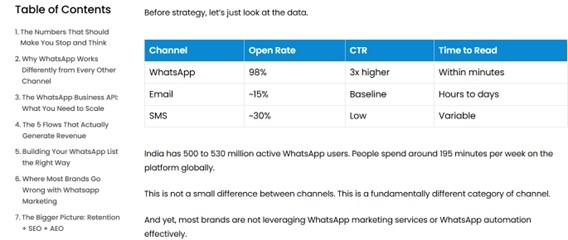
why whatsapp marketing matter

Before strategy, let’s just look at the data. 

Channel  Open Rate  CTR  Time to Read 
WhatsApp  98%  3x higher  Within minutes 
Email  ~15%  Baseline  Hours to days 
SMS  ~30%  Low  Variable 

India has 500 to 530 million active WhatsApp users. People spend around 195 minutes per week on the platform globally. 

This is not a small difference between channels. This is a fundamentally different category of channel. 

And yet, most brands are not leveraging WhatsApp marketing services or WhatsApp automation effectively. 

Why WhatsApp Works Differently from Every Other Channel 

Here is what makes WhatsApp genuinely unique. 

When your message lands on a customer’s WhatsApp, it sits right next to messages from their family and friends. That context, personal, trusted, and immediate, is something no email subject line or Instagram ad can replicate. 

“WhatsApp is where Indians already talk to people they trust. That context is worth more than any subject line optimisation.” 

People do not go to WhatsApp to browse. They go there to talk to friends and family. When your brand earns a place in that inbox, you are not just another notification. You are part of a trusted conversation. 

Brands like Nykaa and Mamaearth have already invested heavily in WhatsApp marketing for ecommerce, especially for retention and repeat purchases. They understood early that owning a customer’s phone number, with their permission, is a long-term brand asset. 

The WhatsApp Business API: What You Need to Scale

WhatsApp Business API

If you are using the regular WhatsApp Business App to manage marketing for a growing D2C brand, you are already hitting a ceiling. To scale, you need the WhatsApp Business API. 

It enables: 

  • WhatsApp automation services 
  • Chatbots for customer journeys 
  • Broadcast messaging at scale 
  • CRM and Shopify integration 

This is where most brands shift from manual effort to a scalable WhatsApp marketing strategy. 

Here is the difference: 

Feature  Business App  Business API 
Broadcast to thousands  No  Yes 
Shopify / WooCommerce integration  No  Yes 
Automated flows and chatbots  No  Yes 
Green tick verification  No  Yes 
Analytics and reporting  Basic  Advanced 

Getting set up is faster than most brands expect. Some platforms approve your account within 30 minutes, and full green tick verification takes 3 to 5 business days. 

The green tick matters more than people realise. It signals to customers that your business is legitimate, which directly impacts how much they trust and open your messages. 

The 5 Flows That Actually Generate Revenue

AEO Visibility framework1

You do not need to build all of these at once. But each one is a direct line to revenue.

Cart Abandonment Recovery

This is the highest ROI use case in WhatsApp marketing for ecommerce. 

Channel  Cart Recovery Rate 
WhatsApp  18% to 30% 
Email  6% to 8% 

The rupee math  

500 abandoned carts per month x Rs 1,200 AOV x 20% recovery = Rs 1.2 lakh in recovered revenue every month.  

Revenue you were previously just letting walk out the door. 

A simple three-message sequence, sent at the right intervals, does most of the work. This is where WhatsApp automation services directly impact revenue

Order and Shipping Updates

Customers want to know where their order is. When they do not hear from you, they flood your support inbox. Automated shipping updates on WhatsApp improve customer experience and dramatically cut down WISMO (Where Is My Order) tickets.

Post-Purchase Follow-Up

After someone buys, WhatsApp is a natural place to ask for a review, suggest a complementary product, or offer a loyalty reward. Brands like The Moms Co. use post-purchase flows to build long-term relationships rather than treating the transaction as a finish line.

Win-Back Campaigns

Got customers who have not bought in 90 days? A personalised WhatsApp message converts dormant customers at 3 to 5 times the rate of email win-back campaigns. A strong WhatsApp marketing strategy can revive inactive users at scale.

Broadcast Campaigns for Launches and Sales

With a 98% open rate and messages read within minutes, your launch day communication actually lands on launch day. Not three days later when someone finally checks their inbox. 

Building Your WhatsApp List the Right Way 

A lot of brands are confused about growing their subscriber list. The good news is there are several natural touchpoints where customers are already willing to opt in. 

building your whatsapp list

  • Website pop-ups and widgets: A simple prompt offering exclusive offers or order updates. Works best when the value exchange is clear. 
  • QR codes on packaging: When someone receives their order, a QR code on the box takes them directly to a WhatsApp opt-in. Low friction, high intent moment. 
  • Click-to-WhatsApp (CTWA) ads: Move people directly from a Meta ad into a WhatsApp conversation. The lead quality from CTWA is significantly higher than cold website traffic. 
  • Post-checkout opt-in: Right after purchase, customers are at peak trust. That is a great moment to ask them to subscribe. 

The principle is simple. You are not building a list. You are building an asset. Every opted-in phone number is a direct line to a customer who has given you permission to speak to them. 

Where Most Brands Go Wrong with Whatsapp Marketing 

We work with a lot of D2C brands, and the mistakes we see are fairly consistent. 

Doing everything manually: You can’t afford working manually in AI era. If you are sending WhatsApp messages one by one, you are spending time you do not have and leaving automation entirely on the table. 

Ignoring the opt-in requirement: Sending unsolicited messages does not just damage your brand. It can get your account banned. The opt-in model is not optional. It is the foundation. 

Treating WhatsApp like email: Long, broadcast-style messages with no personalisation kill engagement. WhatsApp works because it feels personal. The moment it stops feeling personal, customers stop responding. 

The Bigger Picture: Retention + SEO + AEO 

Here’s what most brands miss. 

WhatsApp is not isolated. 

It works alongside: 

  Together, this becomes a complete AI-driven marketing strategy 

The Window Is Still Open 

WhatsApp marketing in India is still early enough that brands building their lists and automations right now have a real compounding advantage. 

The acquisition battle on Meta is getting more expensive every year. The brands that will win retention in Indian D2C over the next three to five years are the ones building direct, owned relationships with their customers today. 

WhatsApp is that channel. 

Start with cart abandonment. Set it up, measure it for 30 days, and watch what happens to your recovered revenue. That one flow alone tends to be enough to make the case for everything else. 

Looking to turn WhatsApp into a high-performing marketing channel for your brand?  

At Sudha Solutions, we help you create personalised, timely, and conversion-driven communication that your customers actually engage with. From automation to retention journeys, we handle it end-to-end. Get in touch with us TODAY. 

Frequently Asked Question

What is WhatsApp marketing and how does it work?

WhatsApp marketing is the use of WhatsApp to send promotional messages, updates, and automated flows to customers who have opted in. Brands use tools like the WhatsApp Business API to send broadcasts, recover abandoned carts, and build personalised communication journeys.

Is WhatsApp marketing legal in India?

Yes, WhatsApp marketing is legal in India if you follow the opt-in model. Customers must explicitly agree to receive messages from your brand. Sending unsolicited messages can lead to account restrictions or bans.

What is the difference between WhatsApp Business App and API?

The WhatsApp Business App is suitable for small businesses with limited messaging needs. The WhatsApp Business API is designed for scaling, allowing automation, integrations (Shopify, CRM), bulk messaging, and analytics for larger brands.

Why is WhatsApp marketing more effective than email?

WhatsApp messages have significantly higher open rates (up to 98%) compared to email (~15%), and they are typically read within minutes. This makes it a faster and more engaging channel for communication and conversions.

What are the best use cases for WhatsApp marketing in D2C?

Some of the most effective use cases include cart abandonment recovery, order updates, post-purchase engagement, win-back campaigns, and product launch broadcasts. These flows directly impact revenue and customer retention.

Categories
AEO Optimization AI Overview General SEO GEO Optimization

AI SEO in 2026: The Complete Guide to Getting Your Brand Found in AI Search

Search has fundamentally changed. Right now, 2 billion people are using Google AI Overviews every month. 60% of all Google searches end without a single click to any website. And when someone asks ChatGPT “What are the best skincare brands in India?” your brand either appears in the answer, or it doesn’t exist.

This is not a future problem. It is happening today. This guide tells you exactly what to do about it.

In This Guide

  • What Is Actually Changing in Search Right Now
  • What Is AI Visibility? Why It Replaces Rankings
  • Our Original Study: Indian Brands in AI Search
  • How AI Decides What to Cite
  • Google AI Overviews vs. ChatGPT vs. Perplexity vs. Gemini
  • How to Write Content That Gets Cited in AI Search
  • Brand Mentions, Reddit & Off-Site Signals
  • How to Measure Your AI Visibility
  • Which Industries Are Most and Least Affected
  • Your 90-Day AI SEO Action Plan
  • Frequently Asked Questions

1. What Is Actually Changing in Search Right Now

AI-powered platforms such as Google AI Overviews, ChatGPT, and Perplexity are increasingly answering user queries directly, often without directing traffic to websites. In fact, nearly 60% of searches now end without a click. As a result, brands must shift their focus from simply ranking on search engines to being cited within these AI-generated responses.

This is where Answer Engine Optimization (AEO) plays a critical role in ensuring visibility for modern brands in evolving search ecosystems. For over two decades, the goal of SEO was simple: rank on the first page of Google. Get the click. Drive traffic. That model is now fractured.

In 2024, Google introduced AI Overviews in the United States. In March 2025, they expanded to Europe. By early 2026, AI Overviews appear on approximately 25% of all Google searches, and that number is growing every month. At the same time, ChatGPT processes more than 1 billion queries per day and has become the fifth most visited website on the planet.

The result? A parallel search economy has emerged alongside Google; one that operates on completely different rules.

Google AI Overviews

What this tells us is straightforward: your Google ranking is delivering less traffic than it did two years ago even if the ranking itself hasn’t changed. The problem isn’t your SEO. It’s that the search results page has been redesigned around AI.

“The statistics tell a clear story: search behaviour is fragmenting. Visibility inside AI-generated answers is becoming just as important as ranking and most teams don’t yet have a framework for measuring it.” Victor Karpenko, CEO – SeoProfy, March 2026

The good news: traditional SEO is not dead. Google still processes an estimated 8.5 billion searches per day and sends dramatically more traffic than all AI search engines combined. What’s changed is the layer on top of it and your strategy needs to address both through a combination of SEO expert services and AI visibility strategies.

Also Read: AIO vs. SEO vs. AEO: An Honest Guide for Small Businesses in 2026

2. What Is AI Visibility? Why It Replaces Rankings as Your Key Metric

AI Visibility is a metric that measures how often your brand is cited, mentioned, or recommended when users ask AI systems questions in your category.

Unlike keyword rankings, it does not appear in Google Search Console. It must be tracked separately and it is fast becoming the most important metric in digital marketing. Brands investing in AI visibility and AEO strategies are already seeing higher conversion-driven traffic

Here is the core shift that most SEO teams have not yet processed.

When someone searches on Google, they see a list of links. Your rank determines whether they click you. Traffic is measurable. Attribution is relatively clear.

When someone searches on ChatGPT or through Google AI Overviews, they get an answer. Your brand either appears in that answer, or it doesn’t. There is no rank. There is only cited or not cited. And the new data on why this matters is startling.

AI traffic converts at 14.2%, compared to Google’s organic traffic at 2.8%. That is a 5x difference in conversion rate per visit. The traffic is smaller in volume, but it is dramatically higher in quality. Someone who clicks through to your brand from an AI-generated answer has already been pre-qualified by the AI. They have been told, in effect, that you are the answer to their question.

AI Visibility

The Problem: AI Visibility Is Invisible to Traditional Tools

Google Search Console tracks impressions and clicks from Google Search. It does not track whether your brand appeared in an AI Overview answer. It certainly does not track whether ChatGPT recommended you 10,000 times this week.

Only 22% of marketers are actively tracking AI visibility and traffic today. Which means 78% of marketing teams are operating blind to a channel that converts at five times the rate of their primary traffic source. This is why businesses are shifting toward integrated SEO and AEO services to track and improve visibility

Also Read: What Is AEO? Why Your Business Is Invisible to ChatGPT in 2026

3. Our Original Study: Indian Brands in AI Search

Indian Brands in AI Search

To understand exactly how AI search treats Indian brands, we conducted our own audit. We ran the query “Best skincare brands in India” across four major AI platforms simultaneously in March 2026 and documented which brands appeared, which were cited as sources, and what each AI said about them.

Here is what the Google AI Overview showed:

See screenshot above: Google AI Overview for “Best skincare brands in India” prominently cited Minimalist, Plum, Forest Essentials, Kama Ayurveda, Mamaearth, and Reequil – with Reddit listed as the primary source. Brands not mentioned in this answer are, for all intent and purpose, invisible to that user.

Study Results: “Best Skincare Brands in India” Across 4 AI Platforms

Methodology: Query run in March 2026. Brands tracked for citation, mention in AI answer body, and source attribution. Results represent a single-run snapshot (AI responses vary per query).

Brand Google AI Overviews ChatGPT Perplexity Gemini
Minimalist ✓ Cited ✓ Cited ✗ Not cited ✓ Cited
Plum ✓ Cited ✓ Cited ✗ Not cited ✗ Not cited
Mamaearth ✓ Cited ✓ Cited ✓ Cited ✗ Not cited
Forest Essentials ✓ Cited ✓ Cited ✓ Cited ✓ Cited
Reequil ✓ Cited ✗ Not cited ✓ Cited ✗ Not cited
Kama Ayurveda ✓ Cited ✓ Cited ✓ Cited ✓ Cited
The Derma Co. ✗ Not cited ✓ Cited ✗ Not cited ✗ Not cited

 Key finding:

  • Forest Essentials and Kama Ayurveda appear across all 4 platforms; achieving a perfect AI visibility score.
  • Minimalist, despite strong performance on Google AI Overviews and ChatGPT, drops off entirely on Perplexity.
  • Plum, once considered a benchmark for AI visibility, is now absent on both Perplexity and Gemini.
  • The Derma Co. remains largely invisible, appearing on only one platform despite strong traditional SEO; a clear illustration of the AI visibility gap in action.

What This Study Reveals

The brands that appear consistently across AI platforms share three things: structured content that answers specific questions, strong brand mentions across review sites, Reddit, and third-party publications, and a content presence built around ingredient claims and category comparisons; exactly the type of content AI models are trained to cite. This aligns with how content marketing and SEO strategies need to evolve for AI search

The brands that are invisible across AI platforms are not necessarily worse products. They simply have not optimised for how AI finds and cites brands. That is entirely fixable and the rest of this guide shows you how.

We recommend you run this same audit for your own category and your own brand. The process is simple: run your top 10 customer search queries across ChatGPT, Perplexity, Google AI Overviews, and Gemini. Document where your brand appears and where it doesn’t. That data becomes your AI SEO starting point.

4. How AI Decides What to Cite

AI systems prioritise content that is structured clearly, uses definite language, contains specific data points, and is referenced across multiple trusted third-party sources. Traditional ranking factors like keyword density matter far less than content depth, entity density, and off-site brand mentions.

Understanding AI citation logic is the single most important insight in this entire guide. It is also where most SEO strategy fails especially when brands lack structured implementation of AEO services for AI-driven search visibility.

The 5 Factors AI Uses to Decide What to Cite

Factor 1: Content Placement Within the Article

Research from Growth Memo (February 2026) reveals a striking pattern: 44.2% of all LLM citations come from the first 30% of an article. The middle section accounts for 31.1%, and the conclusion only 24.7%. This has a direct implication for how you structure content: your most citable insights must appear in your introduction not buried in section five.

Factor 2: Definite Language and Specific Claims

ChatGPT demonstrably favours content that uses definite language rather than hedged or vague statements. The same research found it prefers content with a high entity density, a question mark in the text (indicating it answers a real question), a balanced mix of facts and opinions, and simple sentence structures. In practice: write “Minimalist’s 10% Niacinamide serum reduces hyperpigmentation in 4 weeks” rather than “some serums may help with hyperpigmentation over time.”

Factor 3: Domain Authority and Brand Mentions Off-Site

SE Ranking’s study of 2.3 million pages found that high-traffic sites earn 3x more AI citations than low-traffic ones, with domain traffic as the strongest predictive factor. But here is the counterintuitive finding: branded web mentions (being talked about on third-party sites) correlate more strongly with AI Overviews appearances (correlation: 0.664) than backlinks alone (correlation: 0.218).

Factor 4: Content That Loads Quickly and Is Accessible to AI Crawlers

Technical accessibility matters more in AI SEO than many realise. Research shows that 46% of ChatGPT bot visits begin in “reading mode” a plain HTML version with no images, CSS, JavaScript, or schema markup. That means your content needs to be readable and complete even when stripped of all design elements.

Factor 5: Structure That Answers Questions Directly

AI Overviews appear in 99.9% of informational keywords, and 57.9% of question-based queries trigger an AI Overview. Content structured around direct questions and immediate answers is therefore far more likely to be cited than content structured as narrative prose.

The citation formula: Write the direct answer first. Back it with a specific statistic. Use plain, confident language. Structure it under a question-phrased heading. Make sure your brand is mentioned positively in multiple places across the web and not just on your own site.

Also Read: How to Optimise Your Website for Google AI Overviews

5. Google AI Overviews vs. ChatGPT vs. Perplexity vs. Gemini: What’s Different

Each AI platform has distinct citation behaviour. Optimising for all four requires understanding their differences not treating them as interchangeable.

Platform Monthly Users Zero-Click Rate Top Citation Sources Best For
Google AI Overviews 2 billion 43% Top 10 Google rankings, Reddit, YouTube, Wikipedia Informational queries; discovery at scale
Google AI Mode 100M (US+India) 93% Different from AI Overviews. Only 13.7% URL overlap Deep research, complex comparisons
ChatGPT ~1B weekly ~80% Fresh content favoured; high-traffic domains; Reddit Product research, brand comparisons, recommendations
Perplexity 45M active Lower – cites heavily Reddit (46% of citations), YouTube, Gartner Research-intent queries; B2B, finance, tech
Gemini 1.1B monthly visits Variable Google ecosystem, YouTube, authoritative publishers Integrated into Google Workspace searches

The Key Insight on Platform Differences

AI Overviews and AI Mode, both Google products, only share 13.7% of their citation sources. This means you cannot optimise for one and assume the other is covered. The same brand can see citation volumes differ by 615x between Grok and Claude. Multi-platform tracking is now foundational.

ChatGPT accounts for 87.4% of all AI-driven website referral traffic and is where most brands should focus first. But Perplexity, despite a smaller user base, is heavily skewed toward senior professionals – 30% of its users are in senior leadership roles, 65% in high-income white-collar professions. For B2B brands, Perplexity visibility may be more commercially valuable than ChatGPT volume.

6. How to Write Content That Gets Cited in AI Search

AI cites content that directly answers questions in structured, skimmable formats with clear headings, specific data, and definite language. These formats are a core part of modern SEO and AEO content strategies. Prioritise depth, readability, and original insight over keyword density. The intro section is the most important – 44.2% of citations come from the first third of an article.

The 8 Rules of AI-Citable Content

  1. Lead with the answer, not the context. Structure every section as: Question → Direct answer in 40–60 words → Expanded explanation. This “answer box” format is what AI Overviews pull from most frequently.
  1. Use H2s phrased as questions. “How Do You Get Cited in AI Overviews?” outperforms “AI Overview Citation Tips” because it mirrors how users actually ask questions.
  2. Be specific and declarative. Replace “AI can improve your visibility” with “Brands that implement GEO strategies capture 3.4x more organic traffic than those that don’t.” Definite claims, real numbers.
  3. Add a FAQ section with schema markup. FAQ schema is one of the fastest routes to appearing in AI Overviews. Each question-and-answer pair is a potential citation moment.
  4. Cite your sources explicitly. Content that references credible, named sources (Ahrefs, Semrush, Pew Research) is treated as more authoritative by AI systems than content with no attribution.
  5. Make it technically accessible. Ensure your content renders cleanly in plain HTML. Use fast page load times. No content should be locked behind JavaScript rendering that AI crawlers cannot access.
  6. Include original data or insight. AI models prioritise content outside their training data; meaning fresh, original findings get cited precisely because they add something the AI doesn’t already know.
  7. Update regularly and date-stamp visibly. ChatGPT has a demonstrable preference for fresh, recently updated content. Add “Last Updated: March 2026” prominently and actually update the statistics every quarter.

Content Formats That AI Cites Most

Based on Superlines’ analysis of AI citation patterns, 8 of the top 10 most-cited URLs across AI platforms are “Best X” listicles and comparison formats. The content types that earn the most AI citations in 2026 are:

Content Format AI Citation Frequency Why It Works
“Best of” listicles Very High Directly answers recommendation queries
Comparison guides (X vs Y) Very High Structured format; clear decision logic
In-depth how-to guides High Step-by-step = easy to extract and cite
Definitions and explainers High Informational intent dominates AI Overviews
Original data/research Highest long-term Primary source = most citable across all platforms
Keyword-stuffed thin content Very Low AI actively deprioritises low-depth content

Also Read: WordPress SEO & AEO: How to Optimise Your CMS in 2026

7. Brand Mentions, Reddit & Off-Site Signals That Drive AI Visibility

AI doesn’t just crawl your website; it trains on and cites the entire web. Brand mentions on Reddit, YouTube, LinkedIn, and third-party review sites are now among the strongest signals for AI visibility. Brands that build consistent presence across these channels earn dramatically more citations than brands with only strong on-site SEO.

This is the off-site layer most SEO strategies have not yet incorporated, and it is arguably the most important structural shift in how AI decides what to recommend.

Why Reddit Has Become a Critical AI Signal

Google AI Overviews cite Reddit in approximately 21% of cases. Perplexity cites Reddit in nearly 46% of its responses. Wikipedia, YouTube, and Reddit are consistently among the top three cited domains across Google’s AI Mode.

This is not accidental. Reddit discussions are conversational, specific, experience-driven, and publicly available. AI models use Reddit to find “ground truth,” meaning what real people actually say about a product or brand, not what the brand says about itself. The screenshot shows this directly: the Google AI Overview for Indian skincare brands explicitly cited Reddit as its primary source.

AI models use Reddit

The practical implication: if your brand is being discussed positively on relevant subreddits, AI is more likely to cite those conversations when answering questions in your category. If you are absent from Reddit discussions, you are absent from a significant portion of AI training and retrieval data.

The Full Off-Site Signal Hierarchy

Platform / Signal AI Citation Impact Why It Matters
Reddit mentions Very High Most cited UGC source; 5.7M mentions across LLMs
YouTube videos Very High Top correlated factor with AI brand visibility (Ahrefs)
LinkedIn content High (B2B) Most cited domain for professional queries across all major AI platforms
G2 / Trustpilot reviews High G2 is the most cited software review platform across ChatGPT, Perplexity, and AI Overviews
News and editorial mentions High Earned media distribution can increase AI citations by up to 325%
Brand website Moderate Foundation – necessary but not sufficient for AI visibility

“Reddit has become one of the most influential data sources shaping AI-generated answers in 2026. It is not a ranking factor in the traditional sense; it is a comprehension factor. It teaches generative systems how real users understand products, industries, and decisions.” Simona Jasiukaitis, Editoria Agency – Medium, November 2025

How to Build AI-Visible Off-Site Presence

Participate authentically in relevant subreddits. For D2C and consumer brands: r/IndianSkincareAddicts, r/IndianBeautyDeals, r/Fitness, r/IndianFood – wherever your customers discuss your category. The goal is not promotion. It is helpful, specific contributions that naturally mention your brand in context.

Build your YouTube presence around “best of” and comparison queries. YouTube is the second most cited domain in Google AI Mode. A well-structured video answering “Minimalist vs Plum: which works for oily skin?” creates an AI-citable asset across multiple platforms simultaneously.

Earn editorial mentions through digital PR. AI cites from the web it trusts. Getting your brand mentioned in established Indian publications, YourStory, The Ken, Economic Times Brand Equity, builds the kind of citation authority that compounds over time.

8. How to Measure Your AI Visibility

AI visibility is measured by tracking how often and where your brand is cited across AI platforms for your target queries.

Start with a manual audit: run your top 10 customer queries across ChatGPT, Perplexity, Google AI Overviews, and Gemini. Document your appearances. This is your baseline. Then track it monthly.

Step 1: The Manual AI Audit (Free, Do It Today)

Take your top 10 search queries – the questions your customers actually ask when looking for what you sell. Run each one across four AI platforms: ChatGPT, Google AI Overviews, Perplexity, and Gemini. For each query, record: Does your brand name appear? Are you cited as a source? Are competitors appearing where you are not? This is your AI Visibility baseline, and it costs nothing but time.

Step 2: Track AI Referral Traffic in GA4

AI referral traffic is trackable. In Google Analytics 4, filter your referral traffic source by domain for: chat.openai.com, perplexity.ai, gemini.google.com, and copilot.microsoft.com. AI referral traffic currently accounts for approximately 1.08% of all website traffic globally; small in volume, but growing at roughly 1% month over month and converting at dramatically higher rates than organic search.

Step 3: Tools for Scale

For brands that need systematic tracking across multiple AI platforms, dedicated GEO tools are now available. Semrush’s AI Visibility Toolkit, Profound, Peec AI, and BrightEdge’s Generative Parser all offer multi-platform tracking. These tools measure your “AI Share of Voice”, the percentage of times your brand is mentioned within AI-generated responses for your target topic cluster, and surface gaps where competitors are winning AI citations that you are losing.

Pro tip: The most valuable thing to track is not your absolute AI visibility score; it is your momentum. Similarweb’s 2026 AI Brand Visibility Index found that brands with a declining AI visibility index, even those still ranked highly, were in structurally weakening positions. Direction matters more than current position.

Industry Deep Dive: AEO for Healthcare, Real Estate & E-Commerce: What’s Different in 2026

9. Which Industries Are Most and Least Affected by AI Search

AI Overviews do not affect all categories equally. Ahrefs’ analysis of November 2025 shows stark differences between industries.

Industry AI Overview Share Implication
🔬 Science 43.6% Most searches answered by AI – critical to optimise now
🏥 Health 43.0% High impact; trust signals (E-E-A-T) essential
🐾 Pets & Animals 36.8% Strong AI presence in product and care queries
👥 People & Society 35.3% Informational queries heavily dominated by AI answers
📰 News 15.1% Moderate; freshness is key signal
⚽ Sports 14.8% Less AI-dominated; traditional rankings still drive traffic
🏠 Real Estate 5.8% Lower AI Overview rate; local intent protects traffic
🛍️ Shopping 3.2% Lowest AI impact – users need to click to purchase

The reason shopping has the lowest AI Overview rate is instructive: users cannot complete a purchase inside an AI answer. They must click through to a website. This creates a natural floor on AI’s ability to eliminate click-through for transactional queries. If your business is primarily transactional, AI search poses less immediate traffic risk but brand visibility in AI recommendations still matters at the top of the funnel.

Sector Guide: AEO for Healthcare, Real Estate & E-Commerce: What’s Different in 2026

10. Your 90-Day AI SEO Action Plan

Begin authentic participation (the 90/10 rule: 90% value, 10% brand mention). Identify three publication targets for earned media. Begin digital PR outreach specifically for AI-cited publications.

Month 2: Create Your “Best Of” and Comparison Content

Publish at least two pieces in the formats AI cites most: a “Best [Category] in India 2026” guide, and a head-to-head comparison of your product against a competitor. These are your highest-probability AI citation assets.

Month 3: Technical AI SEO Audit

Ensure AI crawlers can access your content (check robots.txt, llms.txt if applicable). Add JSON-LD Article schema and FAQ schema to all key pages. Verify page speed scores. Ensure content renders in plain HTML without JavaScript dependency.

Month 3: Repeat Audit and Measure Movement

Rerun your Week 1 AI visibility audit with the same 10 queries. Compare. Track AI referral traffic growth in GA4. Identify which content changes drove AI appearances. Double down on what worked.


If your brand is not appearing in AI-generated answers yet, it’s time to invest in SEO and AEO services designed for AI-driven search visibility

Frequently Asked Questions

Is SEO dead because of AI search?

No. Google still processes 8.5 billion searches per day and sends far more traffic than all AI platforms combined. Traditional SEO remains essential but it is no longer sufficient. The brands winning in 2026 layer AI visibility (GEO) on top of a solid traditional SEO foundation, not instead of it.

What is the difference between SEO, AEO, and GEO?

SEO (Search Engine Optimisation) optimises for ranking in traditional search results. AEO (Answer Engine Optimisation) optimises for appearing in direct answer features like featured snippets and AI Overviews. GEO (Generative Engine Optimisation) optimises for being cited in AI-generated answers from ChatGPT, Perplexity, and Gemini. In 2026, the most effective strategies address all three.

How do I check if my brand appears in AI search results?

The simplest method is manual: run your top 10 customer queries across ChatGPT, Google AI Overviews, Perplexity, and Gemini, and document your brand’s appearance. For systematic tracking, tools like Semrush’s AI Visibility Toolkit, Profound, and Peec AI offer automated multi-platform monitoring.

Does AI search send traffic to websites?

Yes, but less than traditional search. Only approximately 1% of AI searches result in a referral click to a website, compared to 40% of Google searches. However, AI-referred traffic converts at 14.2% compared to 2.8% for Google organic traffic making it approximately five times more valuable per session.

How important is Reddit for AI SEO?

Critically important. Google AI Overviews cite Reddit in approximately 21% of cases, and Perplexity cites Reddit in 46% of its responses. Reddit is the most cited UGC source across all major AI models, with 5.7 million mentions in LLM outputs. Authentic, helpful brand participation in relevant subreddits directly influences how AI describes your brand.

How long does it take to see results from AI SEO?

Structural content changes such as restructuring articles with direct answers, adding FAQ schema and improving readability can influence AI citations within 4–8 weeks. Off-site signals like Reddit presence and earned media take longer to compound, typically 3–6 months. AI SEO is not a quick fix; it is a compounding strategy.

Do I need to optimise differently for each AI platform?

Yes. Google AI Overviews and AI Mode share only 13.7% of their citation sources and both differ significantly from ChatGPT and Perplexity citation patterns. Core principles (clear structure, direct answers, authoritative off-site mentions) work across all platforms, but each platform has distinct source preferences that reward platform-specific optimisation.

Which Indian industries are most affected by AI search in 2026?

Health and wellness, D2C skincare and beauty, financial services, and education are the Indian sectors most significantly affected. These categories generate high volumes of informational queries; exactly the queries where AI Overviews dominate. Shopping and real estate are less affected, as transactional intent still drives users to click through to websites.

What content format is most likely to get cited by AI?

“Best of” listicles and comparison guides are the most consistently cited formats across AI platforms. In-depth how-to guides, explainer articles, and original research also perform strongly. The most important structural element is front-loading the direct answer; 44.2% of all LLM citations come from the first 30% of an article.

Should I use AI tools to write content for AI SEO?

AI tools are valuable for research, outlining, and drafting but purely AI-generated content rarely ranks on page one of Google or gets consistently cited in AI answers. The highest-performing AI SEO content combines AI-assisted research and structure with human expertise, original experience, and genuine E-E-A-T signals that no AI can manufacture.

Categories
AEO Optimization General SEO

AEO for Healthcare, Real Estate & E-commerce: What’s Different in 2026

In 2026 we know that the way we search is not the same. It is evolving and evolving fast. Only ~8% of users click traditional links when AI summaries are shown

But here’s something even more interesting:

This shift is not affecting every industry in the same way.

  • In healthcare, users are looking for immediate, trustworthy answers.
  • In real estate, they are evaluating long-term, high-value decisions.
  • In e-commerce, they are comparing options before buying.

And AI is reshaping all three differently.

We are no longer competing for rankings. We are competing to be selected as the answer.

This is where AEO (Answer Engine Optimization) becomes critical.

Many brands are now working with specialised partners offering AI visibility and AEO solutions to adapt to this shift

But treating AEO as a single strategy across industries is where most brands get it wrong.

Because the way people search, trust, and decide in healthcare is fundamentally different from real estate. And what works in e-commerce often fails in both.

Why AEO Looks Different Across Industries: Healthcare vs. Real Estate vs. E-commerce

At a surface level, AEO sounds simple. Structure your content in a way that it is easy for AI to read and extract it. This is exactly what structured AEO strategies aim to achieve across industries.

But in reality, three forces shape everything:

Factor Healthcare Real Estate E-commerce
Intent Urgent, emotional Research-heavy Comparison-driven
Risk High (health impact) Very high (financial) Medium
Trust Dependency Critical High Moderate

AEO is not about formatting content. It is about aligning with how decisions are made in your category.

Let’s break each of these sectors:

AEO in Healthcare: When Answers Need Authority

AEO in Healthcare

AI answered 66% of COVID-related queries in 2025 vs just 1% in 2024, meaning the influence of AI is increase in the healthcare sector.

How Users Search to Get Information in Healthcare

Healthcare queries are rarely casual.

They are urgent, personal, and often anxiety-driven:

  • “Is chest pain serious?”
  • “Why am I losing hair suddenly?”
  • “Best dermatologist near me”

These are not content opportunities. They are moments of vulnerability.

How AI is Changing Healthcare Discovery

AI is now capable of:

  • Summarising symptoms
  • Suggesting possible causes
  • Recommending next steps

This reduces the need to browse multiple websites.

But it introduces a new filter:

Only content that is credible enough gets surfaced.

Google’s own search quality framework classifies healthcare under “Your Money or Your Life” (YMYL) where accuracy and trust directly impact rankings.

SEO expert Lily Ray, known for her work on Google’s quality updates, has consistently emphasised: “Google is getting better at identifying true expertise, especially in sensitive industries.

What This Means for Healthcare Brands

Three shifts are already visible:

  • Traffic may decrease, but intent becomes sharper
  • Authority matters more than keyword coverage
  • Visibility is earned through trust, not volume

What Healthcare Brands Must Do for AEO

To be selected as an answer:

  • Create dedicated condition and symptom pages
  • Structure answers clearly (definitions, causes, treatments)
  • Strengthen EEAT signals (credentials, sources, transparency)
  • Build expert-backed content (doctor-reviewed, validated)

Brands often rely on expert-led SEO and AEO services to build credibility and trust signals at scale.

Healthcare Brands

In healthcare, AEO is not about ranking higher. It is about being trusted enough to be cited.

To understand how this works in detail, read our guide on why businesses are becoming invisible to ChatGPT without AEO.

Where Most Healthcare Brands Are Falling Behind

Many health platforms still rely on:

  • Generic symptom blogs
  • Surface-level explanations
  • Poor content structuring

These worked when users explored. Now users expect answers.

AEO in Real Estate: From Discovery to Decision in One Search

AEO in Real Estate

How Users Search in Real Estate

Real estate is not a quick decision.

Users search with layered intent:

  • “Best areas to invest in Mumbai 2026”
  • “2 BHK price in Thane”
  • “Is it a good time to buy property in Pune?”

Each query represents a step in a long evaluation journey.

How AI is Changing Property Research

AI compresses that journey.

Instead of reading multiple blogs, this is what you can get in seconds:

  • Area comparisons
  • Price insights
  • Investment summaries

Rand Fishkin, co-founder of SparkToro, has repeatedly pointed out that:

Google is increasingly keeping users within its own ecosystem.

And AI-driven answers promotes this behaviour.

What This Means for Real Estate Brands

The funnel is shifting:

  • Top-of-funnel traffic declines (fewer exploratory clicks)
  • Mid-funnel intent strengthens (users arrive more informed)
  • Decision-stage content becomes the differentiator

What Real Estate Brands Must Do for AEO

To stay visible:

  • Build hyperlocal content (area-specific pages)
  • Create investment-focused guides
  • Structure insights in a way AI can extract

Add price comparisons and trend data

Real Estate Brands

In real estate, the brand that explains the decision becomes the brand that gets the lead.

This is where structured content and SEO strategies play a critical role in influencing buyer decisions.

Where Most Real Estate Brands Are Falling Behind

  • Over-dependence on listings
  • Limited advisory content
  • Weak data structuring

They are optimized for discovery, but users want help with decisions.

AEO in E-commerce: When AI Becomes the New Storefront

AEO in E-commerce

How Users Search in E-commerce

E-commerce queries are direct and intent-heavy:

  • “Best running shoes under 5000”
  • “Which iPhone should I buy”
  • “Best skincare for oily skin”

These are not browsing queries. They are purchase decisions in motion.

How AI is Changing Product Discovery

AI is becoming the first touchpoint:

  • Recommending products
  • Comparing features
  • Highlighting pros and cons

Users no longer need to explore category pages.

What This Means for E-commerce Brands

Three clear shifts:

  • Discovery happens outside your platform
  • Content influences decisions more than listings
  • Brand visibility becomes indirect (via AI recommendations)

Zero-click behaviour reinforces this shift, where a majority of users get answers without visiting websites .

What E-commerce Brands Must Do for AEO

To remain visible:

  • Create buying guides (problem-solving content)
  • Build comparison-driven pages
  • Structure product data clearly
  • Answer “best”, “vs”, and “which should I buy” queries

E-commerce Brands

In e-commerce, AEO rewards brands that guide decisions, not just display products. E-commerce brands are increasingly investing in conversion-focused SEO and AEO solutions to stay visible across AI platforms

Where Most E-commerce Brands Are Falling Behind

Many D2C brands:

  • Focus only on product pages
  • Ignore content-led discovery
  • Do not structure data for AI extraction

Tis only leads to ranking, and ranking does not always translate to AI recommendations.

Also Read: What Is AEO? Why Your Business Is Invisible to ChatGPT in 2026

What 2026 is Teaching Us About AEO

Across industries, a pattern is emerging:

  • Generic content is losing visibility
  • Structured, answer-ready content is winning
  • Authority signals are becoming ranking signals
  • Traffic is no longer the only KPI

The shift is from ranking pages to being selected as answers.

This is the framework we follow when working with brands:

AEO visibility framework

Why AEO Needs a Strategic Approach

This is where most brands get it wrong.

They treat AEO like:

  • SEO 2.0
  • A content formatting exercise

It is neither.

AEO requires:

  • Search intent mapping
  • Content architecture
  • AI visibility planning
  • Continuous optimisation

Brands that treat AEO as a checklist will struggle. Those that treat it as a strategy will lead.

Conclusion: The Future Belongs to Answer-Ready Brands

Search is not disappearing.

It is evolving.

Users are no longer browsing links. They are deciding.

And AI is deciding what they see.

The brand that gets cited is the brand that has the highest probability of being chosen.

So, the real question is no longer:

“Are you ranking?” It is: Are you being selected?

If your organisation is part of healthcare, real estate, or e-commerce sector and you need to improve your visibility, you can contact us at Sudha Solutions. We have worked with clients in all these 3 sectors improving both their google ranking and AI visibility. Visit Sudha Solutions to learn more about our services.

FAQs

What is AEO in digital marketing?

Answer Engine Optimization (AEO) is the process of optimizing content to appear in AI-generated answers, voice search results, and featured snippets rather than just traditional search rankings.

How does AEO work for healthcare websites?

AEO for healthcare relies heavily on high-authority, fact-checked content that aligns with EEAT principles, ensuring accurate answers for sensitive queries.

How can real estate businesses optimize for AI search?

Real estate businesses can optimize for AI search by creating hyper-local, intent-driven content that answers specific buyer and investor queries.

What AEO strategies work best for ecommerce stores?

Ecommerce AEO works best with product-focused FAQs, comparison content, and clear answers to purchase-related queries like pricing, features, and reviews.

Why is AEO important in 2026?

AEO is crucial in 2026 because users increasingly rely on AI tools like ChatGPT and voice assistants for direct answers instead of browsing multiple links. Brands that optimize for AI visibility gain higher trust, visibility, and conversion opportunities.

Categories
AEO Optimization AI Overview General SEO

AIO vs SEO vs AEO: An Honest Guide for US Small Businesses in 2026

The Rules of Search Have Changed. Have You?

If you built your website traffic on SEO a few years ago and things feel a little… off lately, you’re not imagining it. The way people search for businesses, products, and answers has shifted drastically and in 2026 your brand can no longer ignore it. To stay competitive, many businesses are now investing in structured SEO strategies and AI visibility optimization services.

Google still processes roughly 8.5 billion searches every day meaning the audience is there but how they search, and how they find you, is a different story. Nearly 60% of all Google searches are now “zero-click”, meaning users get their answer right on the results page and never visit your website at all.

So where does that leave your small business?

In this guide, we will explain you in simple terms about SEO, AEO, and AIO which will help you understand how you can make your business visible in the AI era.

SEO vs. AEO vs. AIO: Basic Definitions

You’ve probably heard SEO your whole digital marketing life. AEO and AIO are newer, and the internet loves to make them sound more complicated than they are. Here’s the simplest version:

What is SEO

According to SEMRush, SEO stands for search engine optimization. It is the process of making your website more visible in search engines like Google without paying for ads. Businesses often rely on professional SEO expert services to improve rankings, technical performance, and long-term visibility.

What is AEO in SEO

Answer Engine Optimization (AEO) is the practice of optimizing content so that it is selected and presented as a direct answer by AI-driven search engines, voice assistants, and conversational platforms like ChatGPT, Perplexity, and Google AI Overviews. To consistently appear in AI-generated answers, brands are increasingly adopting dedicated AEO services

What is AIO in SEO

Artificial Intelligence Optimization (AIO) is the practice of structuring digital content so it can be efficiently crawled, interpreted, and referenced by AI models such as ChatGPT, Gemini, and AI-powered search engines.

Think of it this way:

  • SEO gets you discovered.
  • AEO gets you selected.
  • AIO gets you cited.

SEO in 2026: Still Essential, But No Longer Enough

Organic Keyword Ranking for SEO 2026

Let’s be clear: SEO isn’t dead. Anyone telling you this is trying to sell you something. Your website still needs clean structure, relevant keywords, fast load times, mobile optimisation, and local SEO if you serve a specific area.

What has changed is that SEO alone is no longer enough.

Google’s algorithm in 2026 heavily rewards E-E-A-T (Experience, Expertise, Authoritativeness, and Trustworthiness). That means thin content, keyword stuffing, and link schemes are losing their value fast.

What works now is genuinely helpful, well-organized content written by someone who clearly knows what they’re talking about.

For small businesses, the honest SEO priority list looks like this:

  • Keep your Google Business Profile updated (critical for local search)
  • Make sure your site loads fast on mobile
  • Write content that actually answers your customers’ real questions
  • Build a handful of quality backlinks from local or industry sources

“SEO is the base layer. But it’s no longer the ONLY layer.”

If you want to understand how this shift impacts modern visibility, read our detailed guide on SEO vs AEO and how they work together in 2026.

AEO: Writing to Be the Answer, Not Just the Link

AEO Ranking for Sudha Solutions

Here’s where many small business owners are leaving traffic on the table without realising it.

According to a study by Ahrefs’ featured snippets — those direct answer boxes at the top of Google — now appear on over 12% of all search queries. Voice assistants pull almost exclusively from these.

If your competitor’s page answers a question more clearly than yours, they get read aloud to potential customers while your page sits quietly on page one.

Here’s the fix

The First 40–60 Words Rule

Whenever you address a question in your content, give a clear, direct answer in the first 40–60 words before going into detail. Search engines and AI systems are scanning for that crisp, usable response. If you bury your answer three paragraphs deep, you’re invisible to these systems.

Here’s a practical example. If you run a plumbing business in Austin, instead of a generic “About Our Services” page, consider a FAQ-style blog post: “How much does it cost to fix a leaking pipe in Austin?”  and answer it directly in the first two sentences.

SEO optimizes for rankings. AEO optimizes for selection.

Also Read: What is AEO? Why Your Business is Invisible to ChatGPT in 2026

AIO: Getting AI to Trust (and Cite) Your Business

AIO ranking for sudha solutions

This is the frontier, and if you get ahead of it now, you’ll have a meaningful advantage.

When someone asks ChatGPT or Google’s AI Overview, “What’s the best HVAC company in Charlotte, NC?” how does the AI decide what to say?

It pulls from sources it deems credible, consistent, and well-structured across the web. That means your job is to become that source. This is where structured AEO and AI optimization services play a critical role in helping brands get cited across AI platforms

A few practical ways to build AIO-readiness:

Schema markup is now non-negotiable: Schema is code added to your website that tells search engines (and AI systems) exactly what your business does, where you’re located, what your hours are, and more. If you haven’t implemented schema yet, this is your highest-leverage technical move right now.

Consistency across the web builds AI trust: Make sure your business name, address, phone number, and description are identical on your website, Google Business Profile, Yelp, Facebook, industry directories. AI systems cross-reference these signals to judge credibility.

Earn mentions, not just links: Being cited in local news, industry blogs, or community websites tells AI that real sources recognize your business as legitimate.

Brand visibility in AI tools like ChatGPT and Claude is becoming just as critical as search ranking.

If you closely look at all the 3 examples, Sudha Solutions is ranking 1st in Google ranking while also being mentioned in AI overview and AI listicle. This should be the goal for your brand as well.

Do You Really Need All Three?

Here’s the honest take by our digital marketing expert: “In a nutshell, it’s all just SEO with very negligible differences.” And there’s real truth to that. If you write genuinely helpful content, keep your site technically clean, build real authority, and answer questions clearly, you’re already doing SEO, AEO, and AIO simultaneously.

The acronyms are different. The underlying mission remains the same: be the most helpful, credible, and clear source for your customers’ questions.

That said, being intentional about each layer does make a difference, especially for small businesses competing in crowded local markets.

Your 2026 Action Plan

Here’s a realistic starting point:

This month (SEO hygiene)

  • Audit and update your Google Business Profile
  • Check that your site loads in under 3 seconds on mobile
  • Make sure your NAP (Name, Address, Phone) is consistent everywhere online

Next 60 days (AEO layer)

  • Rewrite your top 3–5 service or product pages in a Q&A format
  • Apply the 40–60-word rule: lead every section with a direct answer
  • Add an FAQ section to your homepage or key landing pages

Ongoing (AIO foundation)

  • Add or update schema markup
  • Start building mentions: local press, guest posts, community sponsorships

Create one piece of genuinely authoritative content per month in your niche

Brief Summary

Aspect SEO AEO AIO
Primary Goal Rank higher on search engines Become the direct answer to a query Get cited and used by AI models
Focus Keywords, backlinks, rankings User intent and direct answers Structured, machine-readable content
Output Website links (SERP listings) Featured snippets, voice answers, AI summaries AI-generated responses (ChatGPT, Gemini, etc.)
Content Style Long-form, keyword-rich Concise, clear, question-based Context-rich, structured, semantically strong
Optimization Method On-page SEO, backlinks, technical SEO FAQs, schema, snippet optimization Entity building, structured data, topical authority
User Interaction Click-driven Zero-click or minimal-click No-click, AI-consumed
Success Metric Rankings, traffic, CTR Featured snippet wins, visibility Citations, mentions in AI responses
Dependency Search engine algorithms Search + AI answer engines AI models and LLM understanding

Also Read: AEO/GEO Optimization Strategy: Best Practices, Tools, and How it Differs from Traditional SEO

The Bottom Line

You don’t have to choose between SEO, AEO, and AIO, you have to evolve. The small businesses that thrive in the next few years won’t be the ones who mastered one acronym. They’ll be the ones who understood that search is changing and adapted before their competitors did.

The audience is still out there, searching every single day. The question is how your customers can find your brand before they find your competitors.

Want to optimise your website for AI visibility? Contact us at Sudha Solutions.

We have helped numerous brands rank on both Google and AI platforms. Here is the data for one of our clients:

Satguru’s is a Mumbai-based e-commerce brand that sells God idols and home decor items. When they contacted us, their biggest challenge was to compete with the likes of Amazon and Flipkart for same similar products.

Our SEO + AEO strategy helped them not only rank above Amazon but also helped them appear on AI platforms like ChatGPT. These were the results

  • 900% increase in organic sessions
  • 273% increase in AI visibility
  • 2x increase in top 3 keywords

Want similar numbers for your brand? Get on a call with us TODAY.

FAQs

Is SEO still relevant in 2026?
Yes, SEO remains essential as it forms the foundation for visibility, indexing, and discoverability across search platforms. However, it now works alongside AEO and AIO to ensure content is not just found but also selected and cited by AI systems.

How do AI search engines like ChatGPT rank websites?
AI engines don’t rank websites in the traditional sense; they prioritize content that is clear, authoritative, and contextually relevant. They select and synthesize information based on credibility, structure, and how well it answers the user’s query.

What is the future of SEO in the AI era?
SEO is evolving from keyword-focused optimization to intent-driven, entity-based, and AI-friendly content strategies. The future lies in creating content that can rank, answer, and be cited across both search engines and AI platforms.

Should businesses focus on SEO or AEO?
Businesses should not choose between SEO and AEO but integrate both into their strategy. SEO drives discovery, while AEO ensures your content becomes the answer users see first.

Categories
Ecommerce General SEO

10 Ecommerce Website Features That Will Boost Your Conversions in 2026

Let’s start with something most e-commerce teams don’t like hearing:

Your website is probably leaking revenue at multiple points and you don’t even see it.

Not because your product is bad. Not because your pricing is off.

But because somewhere between:

  • Landing on your site
  • Browsing your products
  • Reaching checkout

…the experience breaks.

And when that happens, users don’t complain.
They just leave.

According to Baymard Institute, over 70% of e-commerce carts are abandoned. After working across multiple ecommerce brands, including beauty, lifestyle, and D2C, we can confidently say:

Most of that abandonment is preventable.

Brands facing these challenges often work with conversion-focused SEO expert services to identify and fix hidden revenue leaks across their ecommerce funnel.

At Sudha Solutions, we’ve spent years fixing exactly these leaks, sometimes improving conversions not by redesigning everything, but by removing very specific friction points.

Here’s a list of 10 E-commerce website features that can boost your conversions in 2026.

Key Takeaways:

  • Speed = revenue: a 0.1s faster load time lifts conversions by 8.4%. If your LCP is over 2.5s, you’re losing money.
  • Forced sign-ups kill checkouts: 19% of shoppers abandon because of mandatory account creation. Guest checkout is non-negotiable.
  • Mobile-responsive ≠ mobile-first: 78% of retail traffic is mobile. Thumb-zone layouts and sticky CTAs are what convert.
  • Trust wins before checkout: social proof on PLPs, upfront shipping costs, and clear return policies remove hesitation before it builds.
  • Retention beats acquisition: repeat customers convert at 70% vs. 20% for new visitors. Your post-purchase experience is your most underused growth lever.

1. Page Speed Optimisation (The Silent Revenue Killer)

largest contentful paint

Let’s be honest, with the steeply decreasing attention span, nobody is waiting more than 5 seconds for a website to load.

In fact, in Hostinger’s website load time statistics 2026, it clearly says that “Nearly half of users expect a website to load within two seconds or less”.

And the more shocking news is that even a one-second page delay can cut conversions by 7%, potentially costing large businesses millions in lost revenue.

On the other hand, improving load time by just 0.1 seconds can increase conversions by 8.4% for retail websites.

That’s why in ecommerce performance optimisation matters most.

Run your site on PageSpeed Insights.

If Largest Contentful Paint (LCP) > 2.5s → you are clearly losing revenue.

Businesses should prioritise:

  • Optimising images
  • Instil a clean code
  • Have faster server response

Because in ecommerce, speed = trust.

Improving performance metrics like LCP often requires technical expertise, which is why many brands rely on technical SEO services to optimise site speed and infrastructure.

2. Mobile-First UX (Not Responsive; Mobile-First)

Mobile-First UX

According to Statista’s research on retail website visits and orders worldwide (3rd Quarter, 2025), Mobile devices alone generate 78% of all retail traffic worldwide.

Yet most websites are still a shrunk-down of a desktop-first website, impacting engagement rate and catapulting cart abandonment rates.

What most website have:

  • Cluttered layout
  • Hard to navigate
  • CTA-hidden

On the other hand, a high-converting mobile UX includes:

  • Sticky “Add to Cart”
  • Thumb-zone optimised layout
  • Minimal form inputs

Sudha Solutions Case Study – Colorbar Cosmetics

Colorbar was losing engagement and conversions due to an outdated, desktop-first experience. We rebuilt their platform with a mobile-first architecture and streamlined UX flows.

The result? A 55% increase in overall conversion rate and 2X growth in mobile conversions, without changing a single product or price point.

3. Ecommerce Product Page Optimisation

Ecommerce Product Page Optimisation

Lack of product page optimisation is one of the top reasons for cart abandonment.

Most product pages don’t fail because of lack of information. They fail because they don’t answer the right questions.

While shopping, users are constantly thinking:

  • “Will this work for me?”
  • “Can I trust this brand?”
  • “What if I need to return it?”

That’s what e-commerce product page optimisation is really about. To simplify user search and allow them to make confident purchases with zero trust issues.

High-converting product pages are often built with the help of content marketing experts who focus on clarity, trust signals, and conversion-driven messaging.

This is why having a clear and intuitive navigation menu that allow consumers to easily explore different product categories and find exactly what they are looking for.

Key elements to include:

  • sticky CTAs
  • trust badges
  • social proof

Sudha Solutions Case Study – Manyavar

Manyavar, with a vast inventory, had cluttered product pages, making discovery and purchase decisions harder than they needed to be. We redesigned both pages with cleaner UI, smarter product layouts, and trust-first information architecture.

The result? measurably improved online visibility and a direct uplift in sales conversions across their fashion catalogue.

4. High-Impact Visual Commerce (UGC + Video + AR)

High-Impact Visual Commerce

What’s the answer to people wondering, “Will this look good on me?” while shopping online for a lipstick?

We say, product videos and images. Or even better have them try it on themselves with ‘Try-On’ features.

If your industry demands, you can even instil AI-powered customizers with live 3D/AR previews.

Why? Because users don’t want to imagine. They want to see the product in their life.

E-commerce websites must include:

  • Lifestyle images
  • Size reference
  • Product videos
  • Try-before-you-buy (AR)
  • Real customer photos & reviews

Especially in categories like beauty and fashion. This helps reduce uncertainty from the consumers’ mind and boost CTR.

Even Shopify reports products with video see up to 80% higher conversion rates.

5. AI Chatbots & Assisted Shopping

Not all users are ready to buy immediately. Sometimes they just need a little help.

That’s where AI chatbots and assisted shopping change the game.

What a well-built ecommerce chatbot actually does:

  • Answers product-specific questions instantly (“Does this come in XL?”, “Is this fragrance-free?”)
  • Guides users through category selection (“I’m looking for a gift under ₹2,000 for my mom:)
  • Surfaces the right product at the right moment, based on intent, not just keywords
  • Handles post-purchase queries (order status, returns) reducing support load by up to 30%

Beyond chatbots, try implementing smart ecommerce systems like:

  • “You may also like”: cross-sell at the product level
  • Recently viewed: re-engage hesitant browsers
  • Dynamic homepage: different entry experience based on visit history or segment
  • Personalised discounts and offers: triggered by behaviour, not just cart value

According to McKinsey & Company, hyper-personalised features like these can drive 10–30% revenue uplift, because they reduce the cognitive load of discovery and make users feel like the site was built for them.

6. E-commerce Checkout Optimisation

E-commerce Checkout Optimisation

The brutal truth? Most brands don’t lose sales because of bad products or weak marketing. They lose them in the last 60 seconds of the purchase journey, on a checkout page they haven’t touched in two years.

What kills checkout conversions:

  • Forced account creation before purchase
  • A 5-step checkout that should be 2
  • Shipping costs appearing for the first time at payment
  • No Apple Pay, no UPI, no preferred payment method in sight
  • Forms that don’t autofill, on a mobile screen, in 2026

According to Baymard Institute,

  • 18% of users abandon because the checkout process is too long or complicated
  • 19% abandon because the site wanted them to create an account first

reasons for abonding online

That’s nearly 1 in 5 ready-to-buy customers walking away because of a UX decision that costs nothing to change.

What a high-converting checkout looks like:

  • Guest checkout
  • One-page or two-step checkout
  • Autofill and address detection
  • Transparent pricing from the start
  • Multiple payment options

One more thing most brands underestimate: checkout page speed. If your checkout loads slowly, users assume the payment process is broken. It’s the most important page on your site. Treat it that way.

7. Advanced Filters and Sorting (Search + AI Filters)

Advanced Filters and Sorting

When a user lands on a category page with 400 results and no way to narrow them down, they don’t browse through all 400. They leave. That’s decision fatigue and it’s one of the most silent conversion killers in ecommerce.

This is where filters and search can simplify decision-making.

What high-converting discovery looks like:

  • Predictive search with auto-suggestions
  • Typo-tolerance: “lipstick” and “lipstick” should return the same results.
  • Intent-based filtering: filters that match how users actually think
  • Smart sorting: not just “Price: Low to High” but “Most relevant,” “Best reviewed,” “New arrivals,” “Trending now”
  • Zero-results handling: when a search returns nothing, show alternatives, not a dead end

The rule is simple: the easier you make discovery, the faster users reach purchase confidence.

8. Predictive, Omnichannel Personalisation

Today’s shopper doesn’t want to browse through 500 products. They want the site to know them: their style, their price point, their history, and surface exactly what they’re likely to buy.

That’s what predictive personalisation does. It uses browsing behaviour, purchase history, device type, and even location data to serve a uniquely tailored experience to every visitor.
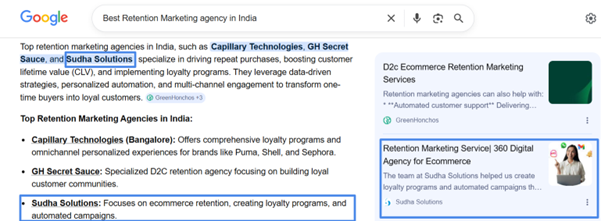
Brands implementing these strategies often collaborate with content marketing experts to deliver consistent, personalised messaging across all customer touchpoints.

What this looks like in practice:

  • Homepage that changes based on past visits or category interest
  • “Picked for you” product feeds powered by ML recommendation engines
  • Location-based offers. E.g., showing winter coats to users in colder regions
  • Re-engagement nudges for users who browsed but didn’t buy

But here’s the part most brands miss: personalisation isn’t just one touchpoint. It has to be omnichannel, consistent whether your user is on your app, website and even WhatsApp.

Broken omnichannel = broken trust.

According to Salesforce, 76% of consumers expect consistent interactions across departments and those that get it are 2.4x more likely to convert.

9. AI-optimised Dynamic Pricing & Urgency

Here’s something the biggest ecommerce players have known for years:

The price you show isn’t always the final price. It’s a variable, optimised in real-time.

Amazon reportedly changes prices 2.5 million times a day. While that level of sophistication may not be realistic for every brand, the principle holds: static pricing leaves money on the table.

What dynamic pricing looks like for ecommerce brands:

  • Competitor-aware pricing: automatically adjusting when a competitor runs a sale
  • Demand-based pricing: increasing prices during high-traffic periods
  • Loyalty pricing: showing member-only prices to logged-in users
  • Bundle pricing: smart suggestions like “Buy 2, save 15%”

Pair this with urgency mechanics: and you’ve got a powerful conversion engine:

  • Low stock indicators (“Only 3 left!”)
  • Flash sale countdown timers
  • “X people are viewing this right now”
  • Cart reservation timers at checkout

We did the exact the same thing for one of our leading ethnic fashion brands in India and saw a steep 1.9X increase in cart recoveries!

10. Post-Purchase Experience Optimisation

Most ecommerce brands treat conversion as the finish line.

The most successful brands treat it as the starting line.

The post-purchase phase, from order confirmation to delivery to follow-up, is where loyalty, LTV (lifetime value), and word-of-mouth are either built or broken.

And it’s almost entirely overlooked.

What a high-converting post-purchase experience looks like:

  • Order confirmation page with upsells: “Complete your look” or “You might also need” (this is your highest-intent moment)
  • Proactive delivery updates not just “your order is confirmed” but “your order is out for delivery”
  • Post-delivery review request
  • “Thank you” discount for next purchase: converting a first-time buyer into a second-time buyer is your highest-ROI acquisition
  • NPS or satisfaction survey: short, mobile-friendly, automated

The brands that dominate ecommerce in 2026 are retention engines and they do not miss post-purchase experience optimisation at any cost.

Repeat customers spend 67% more than new customers (Bain & Company). The post-purchase experience is the most underinvested, highest-returning area in e-commerce today.

What Separates High-Converting Ecommerce Sites from the Rest

After working across beauty, fashion, lifestyle, and D2C brands, one pattern becomes very clear:

The brands that win aren’t doing more. They’re removing more.

More friction has been removed from checkout. More confusion removed from product pages. More hesitation is removed through social proof.

Conversions don’t spike because you added a feature. They spike because you stopped making users work for a reason to trust you.

Here’s the honest framework:

Area What to Fix Impact
Speed LCP > 2.5s = revenue leak High
Mobile UX Thumb-zone, sticky CTA High
Product Page Trust badges, UGC, clear CTA High
Checkout Guest checkout, no hidden costs Very High
Personalisation Dynamic homepage, recommendations Medium-High
Post-Purchase Upsells, follow-up, retention High (long-term)

How to Prioritise These Improvements

You don’t need to implement all these features at once.

In fact, trying to do everything at once is one of the most common reasons ecommerce teams see no improvement: scattered effort produces scattered results.

Start here:

  1. Run a conversion audit: identify your biggest drop-off points using tools like Hotjar, GA4, or Microsoft Clarity
  2. Fix speed first: it affects everything downstream
  3. Optimise your highest-traffic product pages: these are your biggest opportunity
  4. Simplify checkout: even one less step can meaningfully move conversions
  5. Layer in personalisation and retention: once the funnel is clean, scale what’s working

The goal isn’t a perfect website. The goal is a faster, clearer, more trustworthy path from product discovery to purchase.


Final Thoughts

In 2026, the ecommerce brands that will grow aren’t necessarily the ones with the biggest ad budgets.

They’re the ones who’ve built a website that sells without friction, without confusion, and without forcing users to work for their trust.

These 10 features are a checklist of the most common, most preventable revenue leaks in ecommerce today.

You don’t need to fix all of them tomorrow. But you need to start somewhere.

Because every day your checkout has a forced sign-up. Every day your product page loads in 4 seconds. Every day your mobile layout hides the CTA, that’s revenue walking out the door quietly.

And users don’t complain when they leave. They just don’t come back.

At Sudha Solutions, we specialise in ecommerce UX, performance optimisation, and conversion-led design for D2C and retail brands. If you’re looking to audit your ecommerce experience and find your biggest conversion leaks, contact us today!

FAQs

Why is user experience important for ecommerce websites?

UX determines whether a visitor buys or leaves. Every friction point: slow load, cluttered mobile layout and forced sign-up is a revenue leak. Good UX removes those leaks.

What features increase e-commerce conversions?

The highest-impact ones: fast page speed (LCP under 2.5s), mobile-first UX, guest checkout, product page trust signals, and personalised recommendations. These five areas drive the majority of preventable cart abandonment.

How does page speed affect e-commerce conversions?

A one-second delay cuts conversions by 7%. A 0.1s improvement lifts them by 8.4%. Speed isn’t a technical concern; it’s a revenue one.

What role do product reviews play in e-commerce conversions?

Reviews are the strongest trust signal on a product page. They reduce hesitation, answer pre-buy questions, and do what brand copy can’t: prove real people bought and liked it.

What is the average ecommerce conversion rate?

Globally, 2.5–3%. Indian D2C brands typically see 1.5–2%. If you’re below 1.5%, the problem is almost always friction, not traffic.

Categories
General SEO

Effective Strategies for Tracking Brand Mentions

In today’s digital age, brand reputation is more important than ever. Tracking brand mentions is a key part of managing this reputation. 
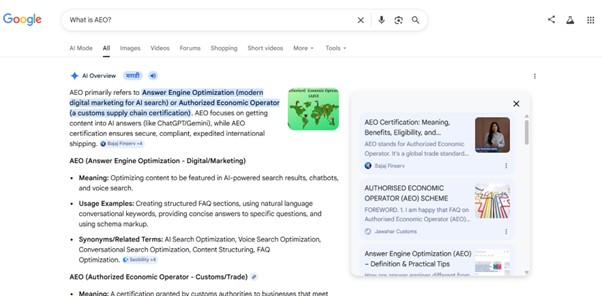
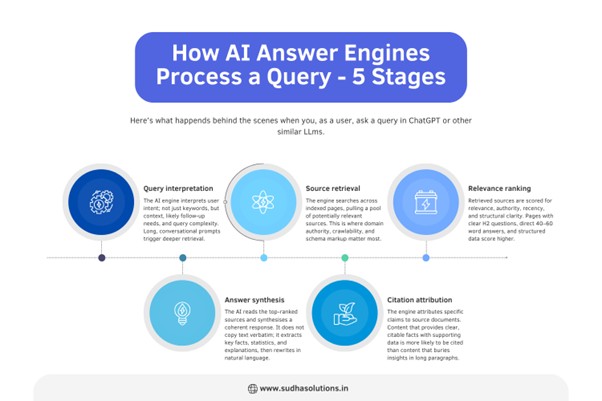
Understanding what people say about your brand can provide valuable insights. It helps in identifying potential issues before they escalate. 

Brand mention tracking is not just about monitoring negative comments. It’s also about recognizing positive feedback and opportunities for engagement. 

There are many tools available to help with brand monitoring. These tools can automate the process, saving time and effort. 

Businesses often rely on SEO expert services to monitor brand visibility across search engines and online discussions. 

Social media platforms are also crucial for tracking brand mentions. They are where most conversations about brands happen. 

Effective brand mention tracking can enhance customer relationships. It can also improve marketing strategies and overall brand perception. 

This guide will explore effective strategies for tracking brand mentions. It will help you maintain a positive brand image. 

Why Tracking Brand Mentions Matters for Brand Reputation Management

Brand reputation management is crucial in building trust with your audience. Tracking mentions is a key component of this effort. 

Knowing how your brand is perceived allows you to address issues promptly. It also lets you capitalize on positive sentiment. 

The digital landscape is vast and ever-changing. Brand mentions can occur on social media, forums, blogs, and news sites. 

Regular monitoring aids in preventing PR crises and fostering customer loyalty. Engaging with mentions shows customers that you value their feedback. 

Here are some reasons why tracking brand mentions is essential: 

  • Prevents potential PR disasters 
  • Enhances customer satisfaction and loyalty 
  • Provides insights into market trends 

Ultimately, a proactive approach to brand monitoring ensures you stay ahead in a competitive market. Recognizing patterns in mentions can reveal opportunities for growth and improvement. 

Working with experienced content marketing experts can help brands build a strong presence and manage reputation across multiple digital channels. 

Types of Brand Mentions to Track 

Understanding the types of brand mentions is fundamental to effective tracking. Not all mentions carry the same weight or context. 

Direct mentions typically involve explicit references to your brand name. These are obvious and easy to identify. 

Indirect mentions can be trickier, as they involve related topics or keywords without naming the brand directly. Tracking these requires a keen eye. 

3 Types of Brand Mentions:3 Types of Brand MentionsConsider tracking the following types: 

  • Direct brand name mentions 
  • Indirect mentions via related topics or keywords 
  • Visual mentions in images and videos 

Monitoring diverse types of mentions offers a holistic view of your brand’s online presence. It enables you to respond strategically and build a stronger brand reputation. 

Key Channels for Brand Mention Tracking

Identifying the right channels for tracking brand mentions is crucial. The internet is vast, with numerous platforms where your brand might be discussed. 

Social media platforms are prime for brand mentions. With high user engagement, platforms like Facebook, Twitter, and Instagram often drive conversations. 

Blogs and forums provide in-depth discussions. These platforms can host content that discusses your brand in detail or in relation to industry trends. 

News sites can impact your brand significantly. Tracking mentions here helps in understanding public perception after major announcements. 

Consider these key channels for tracking: 

  • Social media platforms (Facebook, Twitter, Instagram) 
  • Blogs and online forums 
  • News websites and digital publications 
  • Video platforms and podcasts 

Tracking mentions across these channels provides a comprehensive view of your brand’s online footprint. It equips you to engage effectively and maintain a positive brand reputation. 

Many organizations collaborate with SEO experts to track brand mentions across search results, blogs, and industry publications.

Manual Vs. Automated Tools for Tracking Brand Mentions

Parameters  Manual Tracking  Automated Tracking 
Approach  Requires manual effort and regular checking of platforms to identify brand mentions.  Uses software tools to automatically track brand mentions across multiple platforms. 
Ease of Setup  Tools like Google Alerts are simple to set up and require minimal technical knowledge.  Requires selecting and configuring monitoring tools such as Mention, Brand24, or Hootsuite. 
Time Requirement  Time-consuming as it involves frequent searches on social media, forums, and blogs.  Saves time by automatically collecting and organizing mentions from various sources 
Coverage  Limited to platforms you manually check, which may result in missed mentions.  Tracks mentions across multiple websites, social platforms, and online publications simultaneously. 
Monitoring Process  Involves searching brand names on social media, checking forums, and reading blog discussions.  Automates tracking and aggregates all mentions into a centralized dashboard. 
Alerts & Notifications  Notifications depend on tools like Google Alerts or manual searches.  Real-time alerts notify brands immediately when new mentions occur. 

Top Brand Monitoring Tools to Consider

Top Brand Monitoring Tools

Choosing the right brand monitoring tool depends on your specific needs. Every tool comes with its strengths and features. 

Mention is renowned for its user-friendly interface and real-time alerts. It provides detailed reporting on brand mentions. 

Brand24 offers a wide range of integrations. It is excellent for businesses looking to combine multiple sources of data. 

Hootsuite, a widely-used platform, excels in social media monitoring. It is particularly beneficial for brands with a strong social media presence. 

Selecting the right tool enhances your brand tracking efforts. Consider factors like platform coverage, budget, and specific feature needs. 

Setting Up an Effective Brand Mention Tracking System 

recruitment process

Establishing a successful brand mention tracking system begins with setting clear objectives. Determine what you want to achieve, whether it’s brand reputation management or customer feedback analysis. 

Next, decide which channels are most relevant to your brand. Focus on platforms where your target audience is most active, such as social media, forums, or news sites. 

Customizing alerts is crucial. Set up alerts to filter out irrelevant mentions and focus on the most pertinent ones. This ensures you only receive notifications that truly matter. 

Assigning roles within your team is also essential. Ensure someone is responsible for monitoring, analyzing, and responding to brand mentions in a timely manner. 

Periodic evaluations of your tracking system are vital for its success. Regularly review and adjust strategies to maintain their effectiveness and relevance.

Advanced Strategies: Sentiment Analysis and Contextual Monitoring

Understanding the sentiment behind brand mentions is key to effective brand monitoring. Sentiment analysis tools help determine whether mentions are positive, negative, or neutral. 

Contextual monitoring goes a step further. It involves evaluating the context in which your brand is mentioned to better understand public perception and sentiment trends. 

To implement these strategies, you can use dedicated analytics tools. These tools analyze not just keywords but also the surrounding content to provide deeper insights. 

Key advantages of sentiment analysis and contextual monitoring include: 

  • Identifying potential PR crises 
  • Understanding customer sentiment trends 
  • Enhancing customer engagement strategies 

By incorporating these advanced strategies, businesses can respond more effectively to public sentiment, ensuring their brand reputation remains positive. Regularly updating your monitoring tools ensures they capture all necessary data for thorough analysis.

Responding to Brand Mentions: Best Practices for Engagement

Quick and thoughtful responses to brand mentions can greatly enhance brand image. Brands like Wendy’s, Starbucks, and Netflix regularly engage with their customers on social media platforms. Engaging with users shows that you value their opinions and are committed to excellent service. 

tweet

re tweet

Start by prioritizing mentions based on sentiment and influence. Not every mention requires a response, but influential or negative ones should be addressed promptly. 

Effective engagement techniques include: 

  • Acknowledging positive feedback 
  • Addressing complaints professionally 
  • Providing solutions or further assistance 

Personalizing your responses can make customers feel valued. Use their name and refer to specific details in their mention. Consistent, positive engagement can turn occasional customers into loyal brand advocates. Additionally, ensuring that your responses are aligned with your brand voice helps maintain a cohesive brand image. 

Integrating Brand Mention Tracking with Brand Reputation Management 

Brand mention tracking is a crucial part of brand reputation management. It helps you understand public sentiment and the market’s pulse. Monitoring mentions informs how your brand is perceived and guides strategic decisions. 

Integrating tracking with management means aligning it with your broader goals. This integration ensures that strategies are proactive rather than reactive. A clear plan can effectively address and preempt potential issues. 

Consider these elements for a comprehensive approach: 

  • Regularly update monitoring tools 
  • Collaborate with PR teams 
  • Analyze data to refine strategies 

Data from tracking tools can inform reputation management efforts. Recognize trends, anticipate public needs, and tailor responses to uphold your brand’s image. Bridging these components strengthens your brand’s resilience in a competitive landscape. 

 Measuring Success: Analytics and Reporting for Brand Monitoring

Measuring SuccessEvaluating the impact of your brand monitoring efforts is crucial. Accurate analytics and detailed reporting provide insights into the effectiveness of your strategies. These metrics help you understand how well your brand is managing its reputation. 

Key metrics to consider include: 

  • Volume of brand mentions 
  • Sentiment analysis results 
  • Engagement levels with mentions 

Regularly reviewing these metrics helps you identify trends and areas for improvement. Use this information to tweak your approaches and tailor strategies for better outcomes.  

Analytics not only measure past performance but also guide future actions. They ensure that your brand monitoring efforts continuously align with business objectives. By focusing on these metrics, you can effectively gauge the success of your brand reputation management. 

Common Challenges and How to Overcome Them

Brand mention tracking can be complex and challenging. Many businesses struggle with certain common issues in this task. Recognizing these challenges is the first step toward overcoming them. 

One major hurdle is the overwhelming volume of data. Companies often find it difficult to sift through endless mentions. Utilizing advanced filters in brand monitoring tools can manage this volume effectively. 

Another challenge is dealing with negative mentions. Quick and thoughtful responses are essential to mitigate possible damage. Establish a proactive communication strategy to address concerns swiftly. 

Accuracy in sentiment analysis can also be a challenge. Algorithms might misinterpret context, leading to skewed insights. Continuous refinement and human intervention in interpreting results can enhance accuracy. 

Key challenges include: 

  • Data overload 
  • Negative mention management 
  • Sentiment analysis accuracy 

Identifying these challenges early and applying strategic solutions can streamline your brand mention tracking efforts. Consistent evaluation and adaptation ensure that these hurdles are managed efficiently. 

Continuous Improvement: Evolving Your Brand Monitoring Strategy 

For anyone who has been on social media for a few years knows that there is not one strategy that is set in stone. Strategies change frequently, and adapting is the only solution. 

Incorporating feedback from your team and stakeholders can lead to valuable improvements. Always be open to new ideas and approaches. Staying informed about new tools and technologies can enhance your monitoring capabilities. 

Here are key steps for continuous improvement: 

  • Regularly assess your tools and methods. 
  • Stay updated on industry trends. 
  • Gather feedback from your team. 

By embracing continuous improvement, you’ll ensure your brand monitoring remains relevant and effective. This proactive approach will keep your brand ahead of potential challenges and opportunities. 

Final Thoughts 

Building a proactive brand monitoring culture is essential for business success. It demands a commitment from all team members to consistently track and engage with brand mentions. This collective approach fosters a responsive and agile environment. 

Educate your team on the importance of brand reputation and the tools available for monitoring. Regular training sessions and open discussions can help maintain focus on your brand’s goals. Empower your team to act quickly and with confidence. 

Prioritizing a proactive approach ensures you’re ready to address challenges and seize opportunities. By staying vigilant, you not only protect your brand reputation but also contribute to its ongoing growth and success.