




“Acquiring a new customer costs 5-7x more than retaining an existing one.”
In 2026, that statement is no longer just a statistic. It is the core reality shaping every ecommerce retention strategy in India.
Customer acquisition costs (CAC) for D2C brands, especially in India, have surged by 22–35% over the past two years, driven by increased competition, ad fatigue, and tightening data privacy norms. At the same time, the average repeat purchase rate for most Indian D2C brands still hovers around 28–35%, leaving massive revenue on the table.
Here’s the shift: growth is no longer about acquiring more customers; it’s about extracting more value from the ones you already have.
Retention marketing is now the primary growth engine for profitable D2C brands.
In this playbook, we break down exactly how modern brands are building high-performing retention systems from lifecycle automation to personalisation and how you can implement an ecommerce retention strategy in India that actually drives revenue.
TL; DR: Read This Before You Read On
- Retention is 5-25x cheaper than acquisition yet most D2C brands still allocate the majority of budget to paid ads chasing new customers.
- A 5% improvement in customer retention can increase profits by 25-95%, making it the highest-leverage growth move available to any ecommerce founder.
- WhatsApp, Email, and SMS automation are the backbone of an effective ecommerce retention strategy in India in 2026.
- Hyper-personalisation and loyalty programs are a baseline expectation. 71% of consumers now expect personalised experiences from the brands they shop with.
- Post-purchase experience is the new retention battleground. 80% of consumers will not return after a single poor delivery or service experience.
What is Customer Retention Marketing?
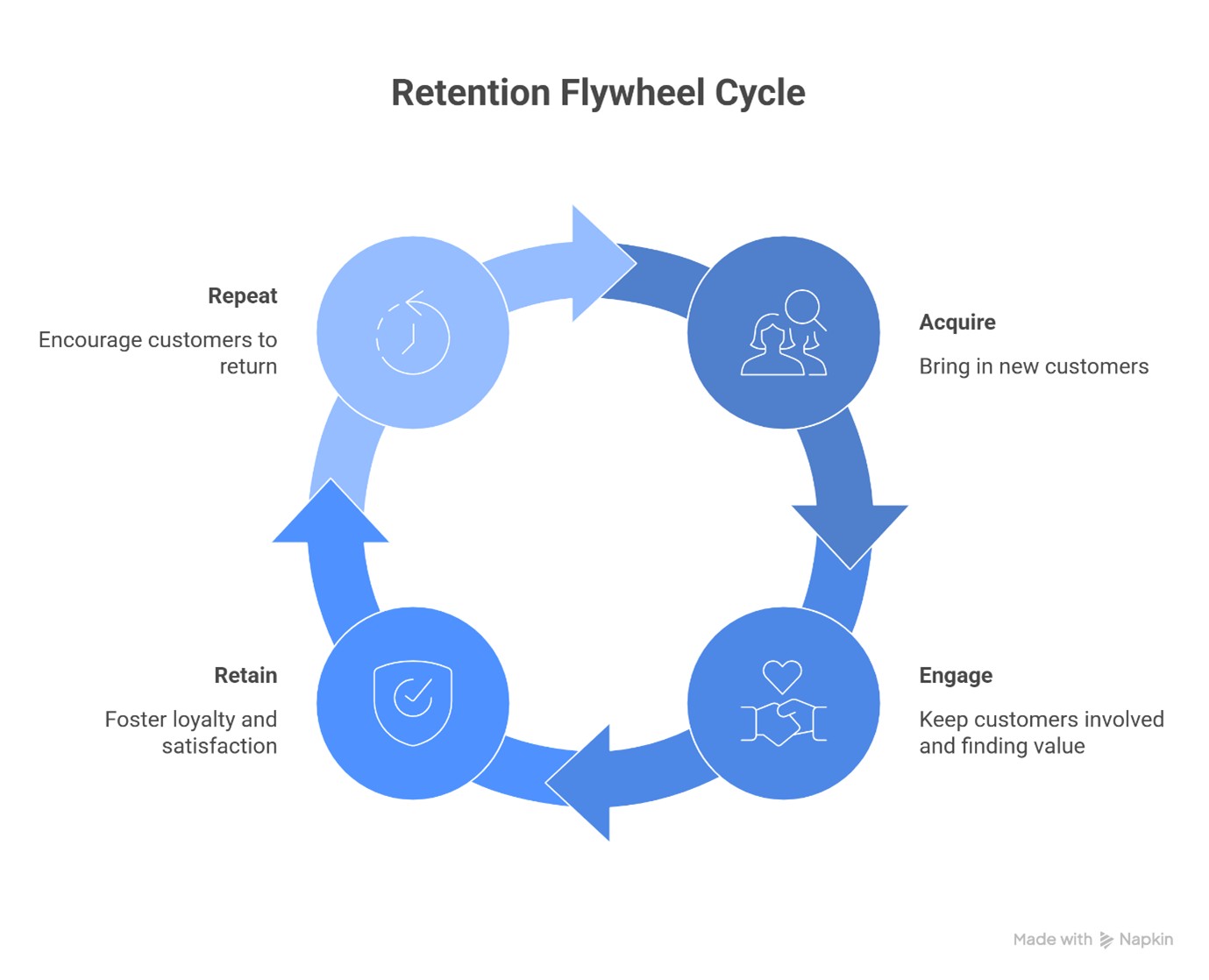
Customer Retention marketing is the set of strategies, channels, and automation flows a brand uses to encourage existing customers to purchase again, spend more, and remain loyal over time. Unlike acquisition marketing, which focuses on attracting new buyers into your funnel, retention marketing works to maximise the value of every customer already inside your ecosystem.
At its core, retention marketing answers one question: how do you turn a one-time buyer into a lifelong customer?
It operates across multiple channels including Email, WhatsApp, SMS, In-App Notifications, Loyalty Programs, and Conversational CX and is measured through a set of specific metrics that acquisition dashboards rarely show:
- Customer Lifetime Value (CLV): The total revenue a customer generates over their relationship with your brand.
- Repeat Purchase Rate (RPR): The percentage of customers who return for a second or subsequent purchase.
- Churn Rate: The percentage of customers who stop buying over a given period
- Average Order Value (AOV): How much each customer spends per transaction, which retention strategies directly influence.
What makes retention marketing particularly powerful for D2C brands is that it compounds. It sits at the core of every modern ecommerce retention strategy and focuses on turning one-time buyers into long-term revenue drivers. Every improvement in repeat purchase rate, every percentage point of churn reduced, and every rupee added to average order value (AOV) builds on itself over time; creating a retention flywheel that paid acquisition simply cannot replicate.
Why Retention Marketing is Critical for D2C Brands Striving in 2026
1. The CAC Crisis Is Real
Indian D2C founders navigating 2026 are facing a structural problem: the cost to acquire a new customer has never been higher. Customer acquisition costs have become so elevated that the average ecommerce CAC globally sits around $68 to $84 (~₹5,500–₹7,000).
Retention, on the contrary, costs 5-25 times less per customer served. A 5% improvement in retention rate can also reduce your effective CAC by 15-25%, because you simply need fewer new customers to hit the same revenue target.
2. Existing Customers Are Your Most Powerful Revenue Engine
The economics of a retained customer vs a new customer are not even comparable.
Repeat customers make up just 21% of a typical store’s customer base but they generate 44% of revenue and 46% of all orders. They spend 67% more on average than new customers, and they are 50% more likely to try a new product you launch because they already trust your brand.
Your marketing efforts yield dramatically higher returns when aimed at this audience.
3. The India D2C Context Makes This Even More Urgent
For D2C brands operating in India specifically, the pressure is compounding from multiple directions.
Inflation in digital advertising CPC, stricter data-privacy regulations, and rising platform saturation are compelling brands to diversify away from paid-only growth and toward owned media, loyalty tiers, and lifetime-value strategies.
At the same time, Indian brands are facing a 72.4% average cart abandonment rate, with mobile-specific drop-offs climbing as high as 85.65% during high-traffic periods.
This shows that post-visit and post-purchase retention flows are broken for most brands.
4. Retention Is Profitability, Not Just Loyalty
Bain & Company research confirms that a 5% increase in customer retention can boost profits by 25% to 95%.
And a 5% improvement in retention delivers 95% boost in profits. For D2C founders watching their margins compress in 2026, this is the most direct lever available.
What are the Best eCommerce Retention Strategies for D2C Brands in India 2026?
1. Build a WhatsApp-First Lifecycle Marketing System
WhatsApp is a relationship channel and with over 500 million users in India, it is the single most direct line a D2C brand has to its customers. Yet most brands still treat it as a one-way promotional blaster. The result? Declining engagement and falling open rates, especially when messages lack personalisation.
So, what does a WhatsApp-first lifecycle system actually look like?
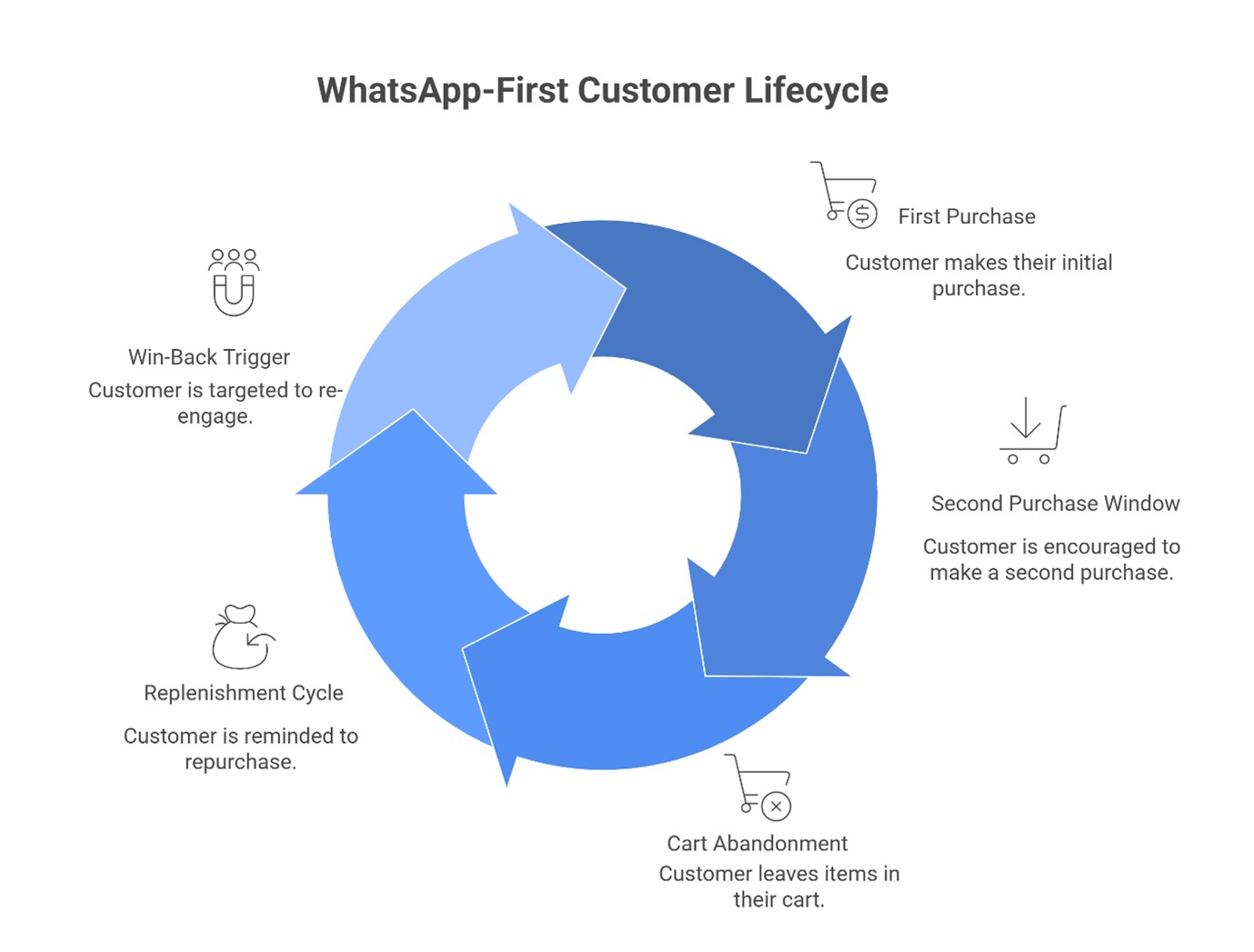
A WhatsApp-first lifecycle system means mapping every key customer event:
first purchase, second-purchase window, cart abandonment, replenishment cycle, win-back trigger to an automated, personalised WhatsApp message or flow.
Each interaction is timely, relevant, and behaviour-driven, rather than generic and campaign-based.
One of the strongest use cases is abandoned cart recovery, which alone can justify the entire system. AI-personalised video nudges on WhatsApp recover 25-40% of abandoned carts for Indian D2C brands, delivering a 3.2x lift over text-only reminders.
A high-performing recovery sequence typically follows this structure:
- T+30 minutes: A soft, conversational reminder
- T+24 hours: A personalised message with an incentive
- T+72 hours: A final “last chance” nudge
Localisation also plays a critical role. For brands targeting Tier 2 and Tier 3 audiences, Hinglish messaging consistently outperforms formal English; driving higher open rates, stronger engagement, and faster conversions.
2. Engineer a Post-Purchase Email Flow That Drives the Second Order
The window between a customer’s first and second purchase is the highest-churn risk period for any D2C brand. Most brands send an order confirmation email and then go completely silent. That’s an opportunity of enormous scale missed right there.
A well-structured post-purchase email system addresses this directly. Instead of treating the first purchase as the end of a funnel, it reframes it as the start of a conversion sequence toward the second order.
Brands that implement a 5-7 touchpoint post-purchase flow over 60 days see:
- A 14% reduction in 90-day churn
- Up to 45% higher second-purchase rates among first-time buyers receiving personalised communication
The effectiveness comes down to sequencing: delivering the right message at the right time, aligned with customer intent and product usage.
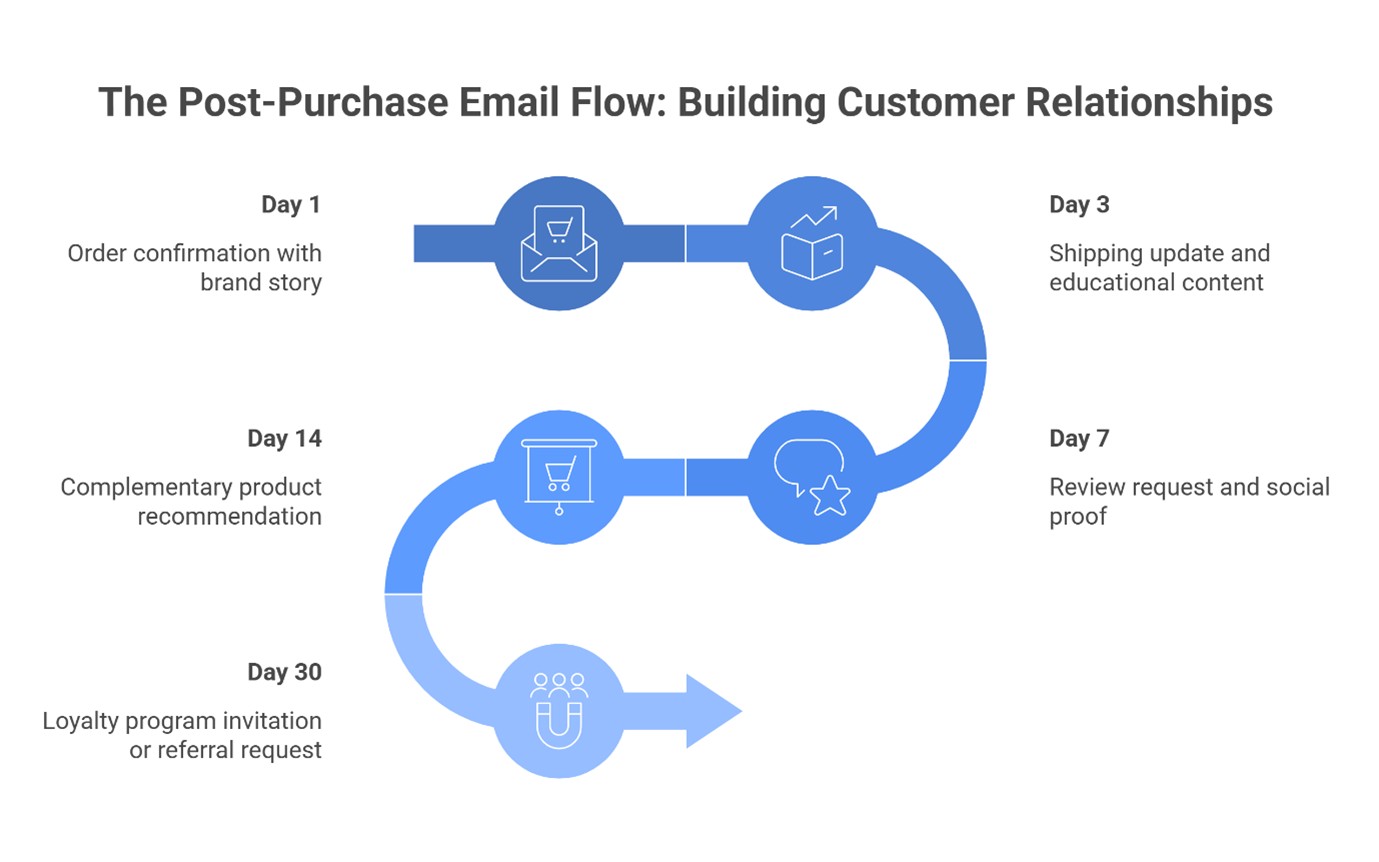
The recommended structure for a post-purchase flow is as follows.
- On Day 1: send an order confirmation paired with your brand story or community invite.
- On Day 3: follow up with a shipping update and a ‘how to get the most from your product’ piece of educational content.
- On Day 7: ask for a review and share relevant social proof.
- On Day 14: make a complementary product recommendation; this is your upsell and cross-sell window.
- On Day 30: invite the customer to your loyalty program or ask for a referral.
Between Days 45 and 60, send a replenishment reminder or a next-purchase incentive based on typical product usage cycles.
3. Launch a Loyalty Program That Functions as an Operating System
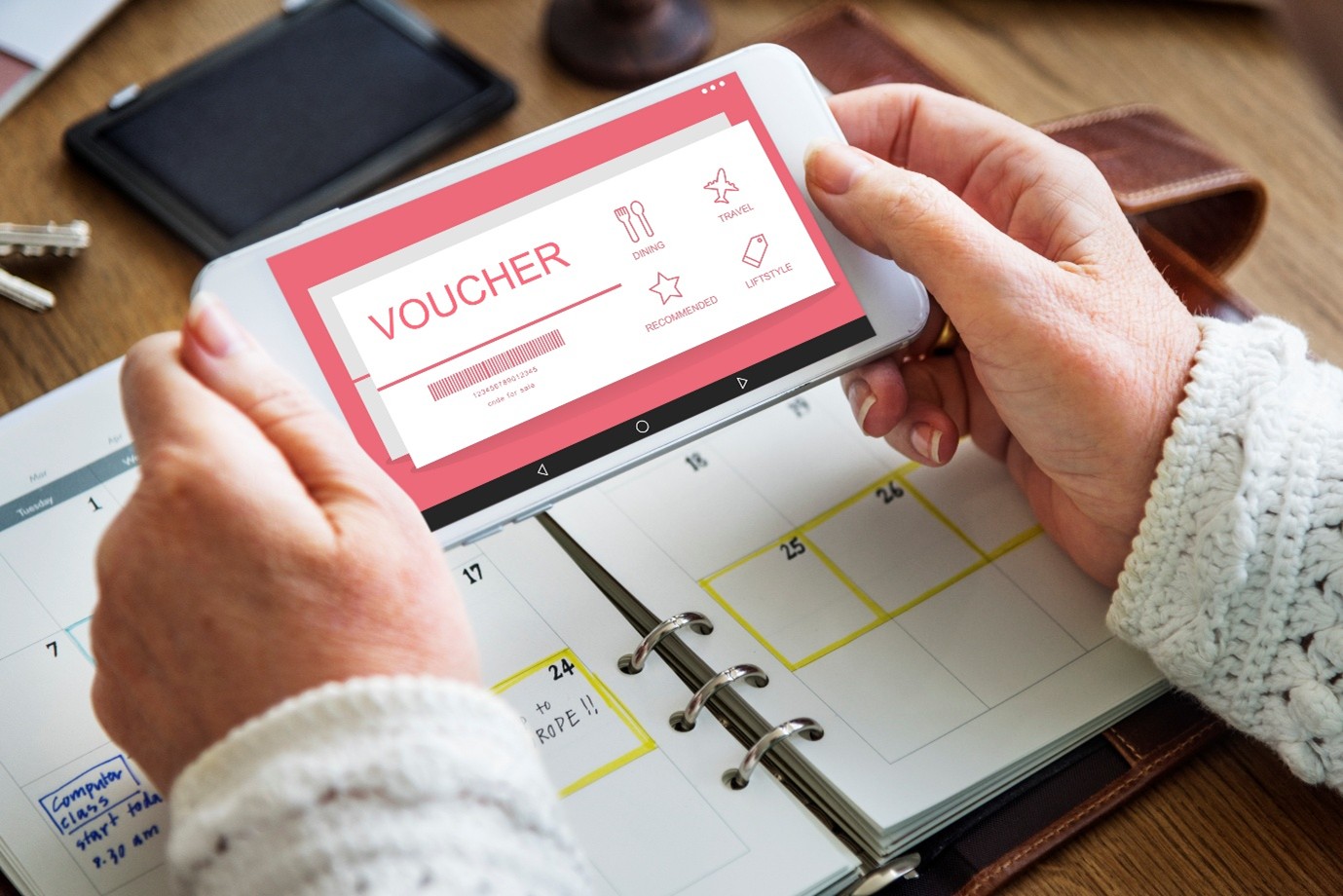
Most Indian D2C brands treat loyalty programs as discount schemes: hand out points, offer a coupon, hope customers come back.
The brands that win on retention in 2026 treat their loyalty program as a structured framework that shapes customer behaviour, creates switching costs, and drive predictable repeat revenue.
A tiered structure (for example, Silver, Gold, and Platinum) with clear unlock thresholds creates both psychological investment and tangible incentives to continue purchasing.
It also enables differentiated treatment of your most valuable customers.
Data shows:
- 84% of consumers say they are likely to stick with a brand that offers a loyalty program
- Loyalty program participation has grown 6% over the past five years.
- Most mid-market Indian D2C brands see their first statistically meaningful repeat purchase rate improvement within 60–90 days of launching well-coordinated loyalty triggers.
One of the most high-impact and underused tactics within loyalty programs is the points expiry warning. Customers who have unused loyalty currency sitting idle for 90 or more days are at high risk of disengagement.
A simple notification that their points expire in 14 days, combined with a small multiplier offer, consistently drives a 20-30% redemption rate among those who receive it.
In a high-CAC environment, this is how brands move from occasional transactions to structured, compounding customer relationships.
4. Implement Advanced Segmentation for Hyper-Personalised Campaigns
Batch-and-blast marketing is no longer just inefficient in 2026 it is actively harmful.
Sending the same message to your entire customer base erodes engagement, lowers email deliverability, impacts your WhatsApp quality rating, and weakens long-term customer trust.
The shift is driven by rising expectations.
Today’s Indian consumers expect brands to understand their preferences, behaviour, and intent. The data reflects this clearly:
- 71% of consumers expect personalised experiences and 76% feel frustrated when personalisation is missing
- Customers who receive personalised engagement report 40% higher satisfaction and generate up to 2.1x higher lifetime value
This makes one thing clear: personalisation is a baseline requirement.
And the most reliable framework remains the RFM Segmentation Framework:
| Segment | Customer Behaviour | Primary Goal | Recommended Strategy |
| Champions | Recent, frequent, high spenders | Maximise LTV | Early access, VIP perks, exclusive drops |
| Loyal Customers | Consistent repeat buyers | Increase frequency | Loyalty rewards, subscriptions, cross-sells |
| At-Risk | Previously active but slowing down | Prevent churn | Time-sensitive offers, re-engagement campaigns |
| Lapsed | No recent purchases | Win back | Strong incentives, new product highlights |
| One-Time Buyers | Only purchased once | Drive second purchase | Education, trust-building, product discovery |
Platforms like MoEngage, WebEngage, and CleverTap; all of which we at Sudha Solutions works with; make this level of segmentation accessible to mid-market D2C brands without requiring a dedicated data science team.
5. Turn Post-Purchase Experience into a Retention Engine
Retention does not begin after the second purchase. It begins the moment a customer completes their first order. The post-purchase experience (shipping communication, delivery reliability, packaging, returns process) is now the primary driver of whether a customer ever buys again.
80% of consumers will not return after a single poor delivery experience. For D2C brands in India, where RTO rates remain a significant challenge and logistics infrastructure is still maturing outside the metros, this is a retention risk that cannot be ignored.
The most effective retention-oriented brands treat logistics as a brand touchpoint:
- Proactive communication: Inform customers about delays before they ask
- Real-time tracking: Ensure visibility across the delivery journey
- Frictionless returns: Remove unnecessary steps or conditions
- Recovery flows: Trigger apology or compensation campaigns when NPS drops below 7
6. Run Win-Back Campaigns for Lapsed Customers
Not every lost customer is gone for good. A lapsed customer already knows your brand, has experienced your product, and made a purchase decision once before. The barrier to a second purchase from this segment is far lower than the barrier to a first purchase from a cold prospect. Winning them back costs significantly less than acquiring someone new.
A well-structured win-back sequence starts with:
- a personalised WhatsApp or email message at the 60-day mark that acknowledges the gap in a human, non-salesy tone.
- A time-limited incentive (a discount, a free gift with purchase, or bonus loyalty points) adds urgency without devaluing your brand.
- The subject line formula that consistently performs well: ‘We miss you, [Name]. Here is [X] to come back.’
- Dynamic product recommendations based on the customer’s last purchase make the message feel genuinely tailored rather than automated.
If no response is received by Day 120, suppress the customer from your main list to protect your sender reputation and deliverability but consider a quarterly re-engagement attempt for high-value lapsed customers.
How Sudha Solutions Has Delivered for Real Brands
Understanding retention marketing is straightforward but executing it is where most D2C brands struggle. This is the gap we at Sudha Solutions are built to solve.
Every engagement begins with a comprehensive lifecycle audit, where we identify drop-offs, broken flows, and underutilised segments.
This becomes the foundation for a structured execution model which is a continuous loop designed for compounding results:
Strategy → Build → Execute → Optimise;
Our capabilities span the full retention stack, including RFM-based segmentation, WhatsApp and email automation, SMS and in-app messaging, and end-to-end tech integration across platforms like WebEngage, MoEngage, Klaviyo, and CleverTap.
Here’s what we’ve made possible for our clients:
Insight Cosmetics
Sudha Solutions built loyalty programs and automated campaigns that delivered measurable, sustained retention improvement. The Insight Cosmetics team reported that their customer retention had never been stronger; moving from one-time purchase behaviour to a genuinely loyal recurring customer base.
Orra

For one of India’s most respected jewellery brands, Sudha Solutions improved customer retention, streamlined cross-platform integrations, and produced high-converting creatives that resonated with their premium audience; all while reducing the internal execution burden on their marketing team.
Cosmetize
Sudha Solutions drove measurable uplift in customer engagement through smart retention strategy, high-performing emailers, and conversion-optimised pop-ups; translating engagement into real revenue impact.
Final Thoughts
The Indian D2C market is maturing fast. Consumers are more discerning, more brand-aware, and more willing to switch than ever before. The brands that win the next phase of this market will not be the ones who found the cheapest clicks. They will be the ones who built the deepest, most consistent, most personalised customer relationships across all channels.
The playbook is here. The strategies are proven. The only question is whether your brand executes them before your competitors do.
At Sudha Solutions, we help D2C brands build scalable growth engines through:
- SEO expert services for sustainable traffic
- AEO services for AI-driven visibility
- Customer Retention Marketing Services for repeat revenue
If your brand is:
- spending heavily on ads but not seeing repeat purchases
- struggling with churn
- missing lifecycle automation
We can audit and fix your retention system end-to-end.
If you are ready to move from one-time buyers to lifelong customers, Sudha Solutions is ready to build that engine with you. Get your free retention audit today!
Got Questions? We’ve Got You
Q1. What is retention marketing in ecommerce?
Retention marketing in ecommerce refers to strategies used to engage existing customers, increase repeat purchases, and maximise lifetime value (LTV) through channels like email, WhatsApp, personalisation, and loyalty programs.
Q2. Why is retention marketing more important than acquisition for D2C brands?
Retention marketing is more cost-effective because acquiring new customers is 5–7x more expensive. It also drives higher profitability, as returning customers spend more, convert faster, and increase LTV, reducing dependency on paid ads.
Q3. What are the best ecommerce retention strategies for D2C brands in India in 2026?
The most effective strategies include:
- WhatsApp-first lifecycle automation
- Post-purchase email flows
- Loyalty and rewards programs
- RFM-based segmentation and personalisation
- Win-back campaigns for lapsed users
- Strong post-purchase experience and logistics communication
Q4. How do I reduce customer churn for my D2C brand?
Reduce churn by improving post-purchase experience, personalised communication, timely follow-ups, loyalty programs, and proactive customer support. Identifying at-risk users early and running win-back campaigns also helps retain customers.
Q5. What tools are used for retention marketing in ecommerce in India?
Popular tools include MoEngage, WebEngage, CleverTap, Klaviyo, and Interakt. These platforms enable segmentation, automation, and multi-channel engagement.