Acquisition without retention is a losing game because rising customer acquisition costs, low first-purchase profitability, and increasing churn mean businesses cannot recover their marketing spend unless customers return and generate long-term value. Retention drives profitability, improves conversion rates, and enables sustainable growth through higher customer lifetime value (CLV).
This is why a structured retention marketing strategy has become essential for brands looking to scale sustainably instead of constantly replacing churned customers.
For years, growth meant one thing: acquiring more customers. But in 2026, brands relying only on customer acquisition strategy without customer retention marketing are discovering that scale without retention is structurally unsustainable.
More traffic. More installs. More leads. More spend.
But by 2026, that playbook is breaking.
- Acquiring a new customer is 5–25x more expensive than retaining one
- A 5% increase in retention can boost profits by 25–95%
- 65% of revenue typically comes from existing customers
- Yet ~80% of budgets still go to acquisition
Brands still behave as if acquisition alone creates growth.
The truth is, it doesn’t.
What brands are actually doing is continuously replacing lost customers with new ones that too at an increasing cost.
And that’s not growth; that’s a leak disguised as scale.
The real shift brands should accept is: Retention is no longer a support function. It is the growth engine.
This guide explains why customer acquisition without retention fails and how to fix it using CLV, churn analysis, and retention-first strategy.
Key Takeaways
- Acquisition without retention creates a leaky growth system
- Retention determines whether CAC is justified or wasted
- Most churn happens in the first 30–60 days, not long-term
- Activation > acquisition in driving retention
- LTV is often miscalculated; time-to-value matters more
- Not all customers are worth retaining; focus on high-LTV cohorts
- The best acquisition channels are those that bring users who stay
- Retention is driven by habit formation, not satisfaction
- Growth without retention is a treadmill, not a flywheel
Core Problem: The “Leaky Bucket” Economy
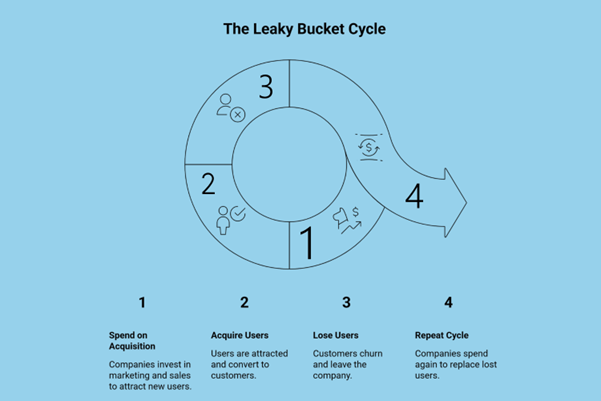
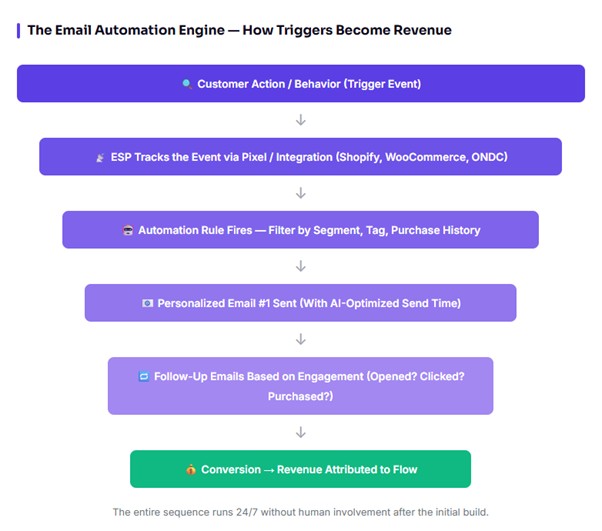
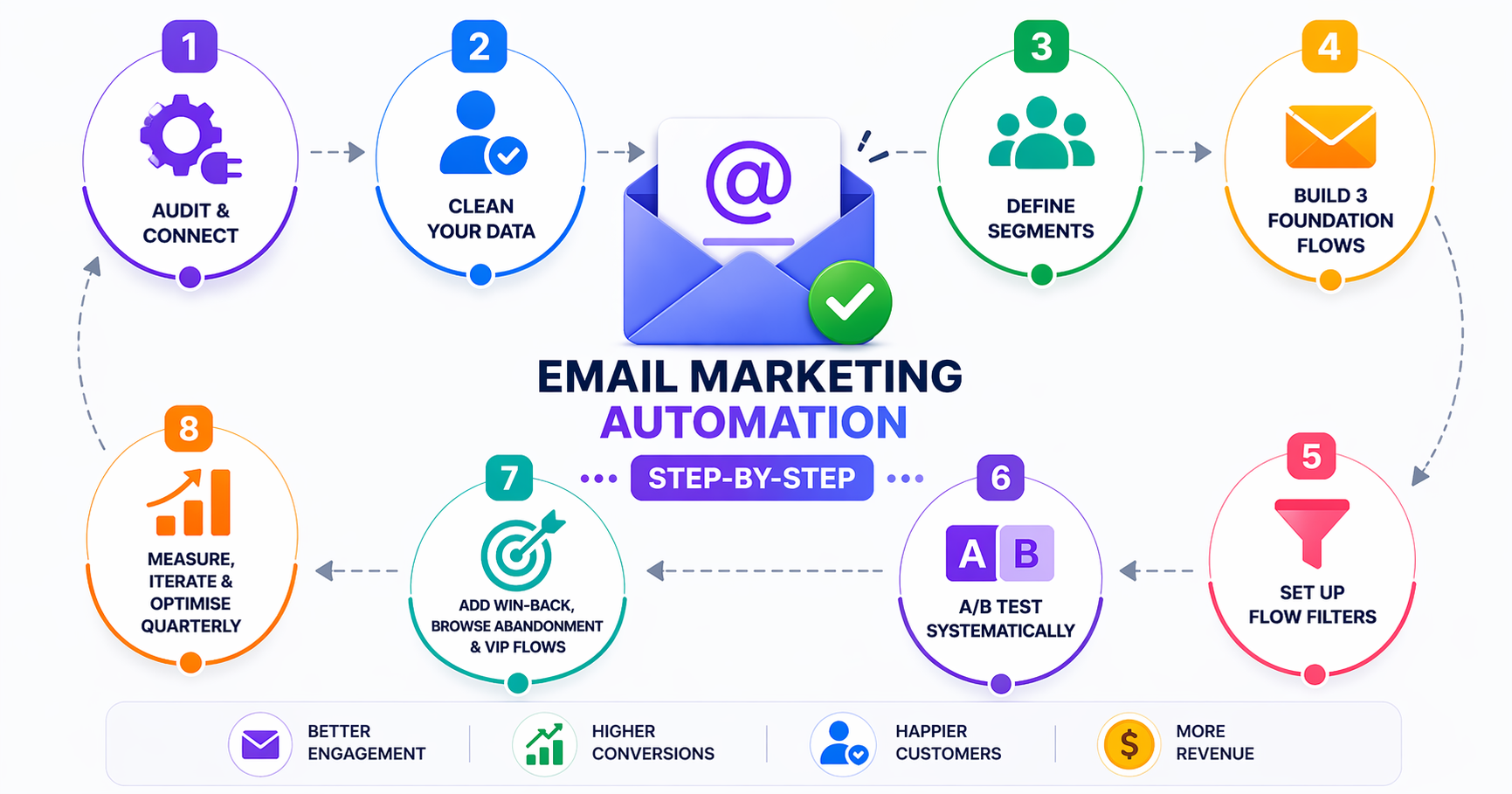
Without lifecycle systems like email retention marketing, SMS marketing services, and WhatsApp marketing solutions, acquisition becomes an increasingly expensive replacement cycle.
Most companies operate like this:
Spend → Acquire → Lose → Repeat
This is what marketers call the leaky bucket problem.
- You pay for users (ads, content, sales)
- They convert once
- They disappear
- You spend again to replace them
Research from Demandsage, and compiled retention data show that companies generate 65% of their revenue from existing customers, yet 44% of businesses still prioritise acquisition over retention and a stunning 18% say they prioritise retention at all. The majority are, quite literally, running to stand still.
What makes this particularly dangerous in 2026 is that the cost of running the faucet has become exponentially more expensive. The CAC (Customer Acquisition Cost) landscape has fundamentally changed and most marketing plans haven’t caught up.
What Customer Acquisition Really Costs in 2026?
Here is what most acquisition-heavy playbooks obscure: the stated Customer Acquisition Cost (CAC) is almost never true.
A sustainable customer acquisition strategy must now balance immediate paid growth with retention systems that protect CAC efficiency.
It typically includes:
- Media spend
- Campaign costs
- Lead generation
But excludes:
- Sales team overhead
- Onboarding and implementation costs
- Discounts and first-purchase incentives
- Failed conversions and drop-offs
- Re-acquisition of churned users
When you apply full-cost accounting to CAC, the numbers shift dramatically.
According to a 2023 analysis by Hashtag Paid, the acquisition-to-retention cost ratio ranges from 3x to 25x, depending on:
- Business model
- Industry
- Customer segment
- GTM motion
B2B SaaS typically falls in the 5–10x range, but even that can be misleading without retention context.
The commonly cited “5x” figure traces back to a 1990 Harvard Business Review paper on credit card and insurance data, built on pre-internet data. And most teams are still making modern decisions using such outdated economic assumptions.
According to First Page Sage Industry CAC Data, the average cost to retain a customer is $35 versus $702 to acquire one. The retention cost is nearly 95% cheaper. Yet only a handful of SaaS companies prioritise it.
Why Retention Compounds Where Acquisition Doesn’t
“Increasing customer retention rates by just 5% increases profits by 25% to 95%.”
- Frederick Reichheld, Bain & Company
The mechanics that drive this are rarely explained clearly. Here is how we think about them at Sudha Solutions:
1. Existing customers spend 67% more
Returning customers have already resolved purchase anxiety. Bain & Company research shows they spend 67% more on average per transaction than first-time buyers.
2. 60–70% vs 5–20% sell-through
Forrester data shows the probability of selling to an existing customer is 60–70%. For a new prospect, it’s 5–20%. The point? Your best leads are already in your CRM, leverage them.
3. Referred customers have 16% higher LTV
McKinsey case study data shows referred customers are 37% more likely to stay and carry 16% higher lifetime value, which thereby minimises future CAC.
4. Retention-focused firms grow 2.5x faster
Artisan Strategies 2026 benchmark: retention-focused companies grow revenue 2.5x faster than acquisition-first peers while spending 30% less on marketing.
Understanding CLV: Why Your Best Customer Is Already on Your List
At Sudha Solutions, customer lifetime value optimization begins with integrating retention channels like email, SMS, and WhatsApp into one measurable lifecycle. Customer Lifetime Value (CLV) is the single metric that unifies acquisition and retention into a coherent strategy. At its simplest:
CLV = Average Order Value × Purchase Frequency × Customer Lifespan.
McKinsey’s research on CLV shows that companies with higher customer lifetime values experience, on average, 38% faster revenue growth and 30% higher enterprise valuations than competitors. That’s the difference between a business that attracts strategic acquirers and one that doesn’t.
Yet only 42% of companies can accurately measure CLV, despite 89% agreeing it’s crucial for brand loyalty, says Criteo.
This is the critical gap: businesses acknowledge the importance of lifetime value in theory, but haven’t built the systems to track, model, or optimise for it in practice.
At Sudha Solutions, we see this repeatedly in client audits: teams celebrating a record CAC month while their 90-day repeat purchase rate has quietly achieved a new low. The acquisition metric looks great on the slide deck. The business is slowly dying. The fix isn’t better acquisition but retention infrastructure that didn’t exist before.
Churn Rates by Industry: Where Businesses are Actually Bleeding Money
Churn rate for every business varies. That’s why understanding your industry baseline is the first step in knowing whether your retention problem is structural or operational.
The CustomerGauge State of B2B Account Experience report provides the most reliable cross-industry churn benchmarks available today. Here’s what gist is:
| Industry | Annual B2B Churn Rate |
| Energy / Utilities | 11% |
| IT Services | 12% |
| Software (SaaS) | 14% |
| Financial Services | 19% |
| Professional Services | 27% |
| Telecom | 31% |
| Manufacturing | 35% |
| Logistics | 40% |
In the B2C space, the picture gets starker. Global retail churn sits near 37%. U.S. hospitality and restaurant businesses average 45% churn. The average social media app loses over 90% of users within 24 months.
How to Build a Retention-First Strategy That Enhances Your Acquisition Efforts
Here’s the part most brands miss:
Retention-first is not anti-acquisition. It makes acquisition cheaper, stronger, and scalable.
When retention improves:
- Customers stay longer → LTV increases
- They refer others → organic acquisition rises
- CAC drops → you can reinvest more aggressively
That’s the flywheel. Most teams never build it because they treat retention and acquisition as separate.
1. Use Retention Data to Sharpen Acquisition Targeting
Your best acquisition strategy is hidden in your retained cohorts.
Instead of guessing who to target, look at the customers who stayed the longest, spent more, and recommended you. See what they had in common when they first found you: where they came from, what message or offer worked, and how they started using your product.
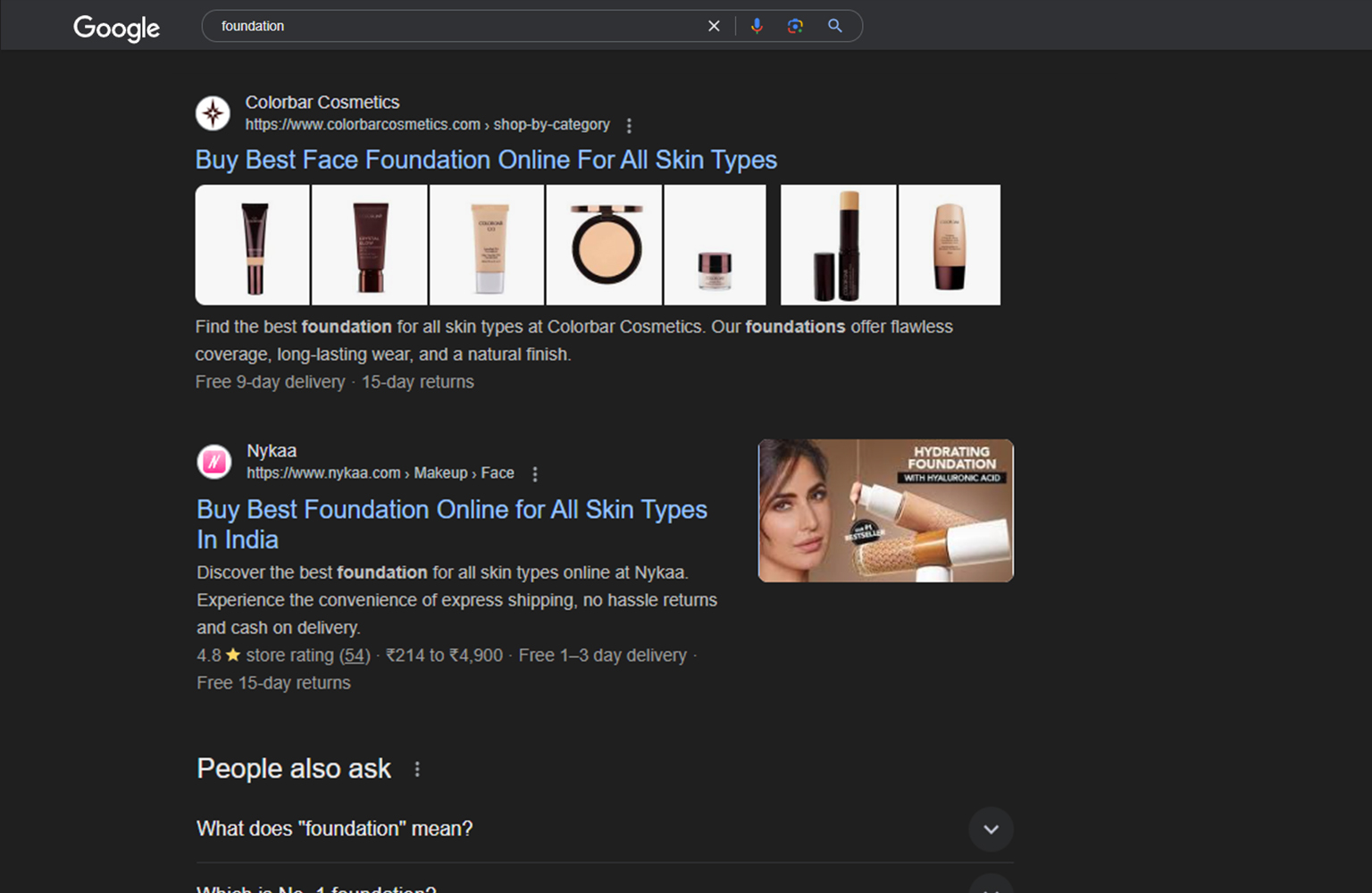
This is what cohort-based CLV modelling exists to do. When you know that customers acquired via SEO-driven organic content have a 14-month average LTV versus 6 months for paid social, your acquisition budget allocation changes completely.
This is why organic customer acquisition often produces stronger long-term LTV than many short-term paid channels.
In short: use what you learn from loyal customers to improve how you find new ones.
2. Make Onboarding the Bridge Between Acquisition and Retention
Strong onboarding often combines ecommerce email marketing solutions, sms retention campaigns, and whatsapp customer engagement to accelerate time-to-value.
The gap between “acquired” and “retained” is almost always an onboarding gap. A customer who completes a strong onboarding sequence is more likely to stay, spend more, and recommend you. That means each acquired customer is worth more in downstream revenue.
This is where ecommerce email marketing solutions become critical, helping brands engineer onboarding, nurture, and lifecycle sequences that increase long-term retention.
The retention-first framing reframes onboarding as a revenue event, not a support function. Wen onboarding gets the attention it deserves, customers reach their “aha moment” faster, embed the product into their workflow more deeply, and become the kind of buyer who sends their colleagues your way.
3. Let Retention Metrics Govern Acquisition Spend
Brands using SEO expert services for long-term acquisition and retention-led lifecycle systems often outperform acquisition-only competitors on both CAC efficiency and LTV.
Don’t judge channels only by cost per lead or sign-up. Those numbers ignore what happens next. A cheaper channel isn’t better if most of those customers leave quickly. A more expensive channel can be worth it if those customers stick around.
Track how long customers stay (after 30, 60, and 90 days) for each channel. This simple shift often shows that a big chunk of your budget is going to low-quality customers.
Move that spend to channels that bring people who stay longer. You’ll get better results without increasing your budget.
4. Build Social Proof from Retained Customers
Don’t rely only on feedback from new customers. Stories, reviews, and case studies from people who’ve stayed 18+ months are far more convincing. They show your product actually works over time, which builds trust and helps new buyers decide faster.
Make it a habit to collect and share experiences from your longest-standing customers. This creates a powerful, lasting asset that ads can’t match and it keeps getting stronger over time. This is the retention-first strategy’s most underrated acquisition benefit, and it’s almost never deliberately engineered.
The SS Retention Framework: Audit → Anchor → Activate
At Sudha Solutions, we’ve distilled effective retention strategy into 3 sequential phases. This isn’t a content strategy or a loyalty programme but a structural audit and rebuild of how your business relates to existing customers.
The SS Retention Architecture: 3 Phases
Phase 01: Audit
- Calculate true CAC (full-cost)
- Map churn by cohort & source
- Measure CLV vs. CAC ratio
- Identify first 90-day drop-off
- Survey churned customers
Phase 02: Anchor
- Rebuild onboarding as 90-day arc
- Identify & invest in top 20% accounts
- Build early churn signal model
- Create proactive support triggers
- Map emotional loyalty touchpoints
Phase 03: Activate
- Deploy personalised lifecycle flows
- Launch referral with LTV incentives
- Build cross-sell cadence
- Align CAC/CLV in one dashboard
- Set 5% retention improvement target
This often includes WhatsApp marketing solutions that automate cart recovery, post-purchase engagement, and repeat purchase journeys.
Final Thoughts
Acquisition gets you customers. Retention determines whether you have a business. The brands that will dominate the next five years are not those that find the lowest-cost acquisition channel; it’s those that have built a system where customers stay, spend more, and bring others with them.
In 2026, the leaky bucket is getting more expensive to fill every quarter. Digital ad costs are up. Signal fidelity is down. Competition is intensifying. The only sustainable advantage in that environment is a customer base that doesn’t want to leave.
At Sudha Solutions, we believe the question for every marketing team right now isn’t “how do we get more customers?” I’’s “why are the customers we already have leaving and what would it take to make them stay forever?”
Answer that question with data, and the rest of your growth strategy writes itself.
Frequently Asked Questions
What is the difference between customer acquisition and customer retention?
Customer acquisition is about bringing in new customers, while customer retention focuses on keeping them coming back. Acquisition fills the funnel, but retention determines whether that growth actually sustains.
Why is customer retention more important than acquisition?
Customer retention is more important than acquisition because retaining customers costs significantly less, increases customer lifetime value, improves profitability, and creates sustainable long-term growth.
What is a good customer churn rate?
A good churn rate varies by industry, but for SaaS, anything under 10–15% annually is considered healthy. Higher churn usually indicates gaps in onboarding, product value, or customer experience.
How do you calculate customer lifetime value (CLV)?
Customer lifetime value is calculated by multiplying average order value, purchase frequency, and customer lifespan. It shows how much revenue a business can expect from a customer over time.
How can businesses improve customer retention?
Retention improves when businesses help customers see value quickly, stay engaged, and build consistent usage habits. Strong onboarding, personalized communication, and ongoing value delivery are key drivers.