Sudha Solutions

Categories
Ecommerce

4 Reasons Shoppers Abandon Their Online Carts and How to Solve Them

Why do most shoppers abandon their carts? This has been a rising concern for eCommerce businesses globally, and strategists are wondering what’s going wrong.

Cart abandonment in eCommerce refers to a potential customer adding items to their online shopping cart but leaving the website without completing the purchase. This can happen at any stage of the checkout process, from viewing the cart to entering shipping information, but ultimately, the customer needs to complete the transaction.

Cart abandonment is a common phenomenon in the industry. Market research from Baymard Institute indicates that on average, consumers abandon 70.19% of online shopping carts. A closer look at home will reveal that cart abandonment stemming from unsuccessful searches (using the search box or function) stands at a significant 63% in India.

Common reasons for cart abandonment

Common reasons for cart abandonment infographic

This has sparked an interesting debate about online shopping habits as brands desperately try to understand how to lower cart abandonment rates and increase conversions. In this blog, we’ll explore the pressing reasons behind online cart abandonment and how to tackle them.
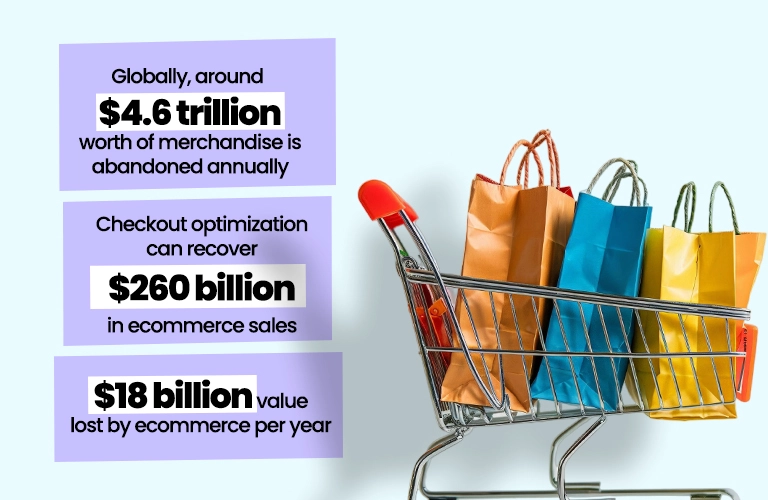
Ecommerce industry valuation

Top 4 Reasons Shoppers Abandon Their Carts & Solutions That Work

Here are 4 common reasons why shoppers abandon their carts and best solutions to solve these abandonment:

Reason #1 – “I’m not sure why I am paying this; there’ll be another better offer”

The fear of missing out on a better deal often distracts customers from completing their purchases. According to Baymard, extra costs such as taxes, shipping, and platform fees contribute to around 48% of abandoned carts. Moreover, many shoppers compare prices to see the best offers they can get for their purchases.
With this ease of comparing products and prices across multiple sites, customers are quick to switch if they find even a small saving. Maintaining brand loyalty in such a competitive market is increasingly challenging for retailers.

Solution: Leave Intent Targeted Push Notifications

To maximize cart conversion, use targeted push notifications to entice customers with promotions or messages when they’re about to leave. As soon as the user’s mouse/gesture moves towards the exit button, a pop-up offering discounts or coupon codes can appear, encouraging them to stay and complete the purchase. Similarly, brands can also send pop-up emails and notifications like, “We hate to see you go. Here’s a special code just for you!”.

Reason #2 – “I have trust issues”

Many online shoppers are skeptical about the virtual representation of products and the security of online payment gateways. They often ask questions like – is it safe to buy this online and can I return it? Is this a genuine site for buying clothes? What is the delivery time and shipping fee?
As already established in the previous point, unexpected costs, such as taxes and shipping fees at checkout, can further erode their trust. Besides, insufficient or incorrect product information, grammatical errors, blurred images, and unclear payment details also contribute to this mistrust.

Solution: Clear Trust Messaging

Build trust by adding rich product content that gives your audience specific and purposeful information about your product, such as delivery time, return policy, how to use it, special ingredients, who it is suitable for, what pairs well with it, what consumers have to say about the product’s performance, etc.
Here’s how we enhanced the content for our client, Colorbar

Clear Trust Messaging

Reason #3 – “Checkouts can be complex and time-consuming”

Despite the surge of smartphones and social media, not everyone is tech-savvy or familiar with online shopping. A complicated checkout process can confuse users and discourage them from completing their purchases. For instance, making it mandatory for users to register before purchasing, especially on mobile devices, can lead to drop-offs.

Solution: Keep it Simple, Silly (KISS Approach)
Simplify the online checkout process by removing unnecessary fields and text and only asking for essential information. To address customer issues during checkout, offer additional support through Live Chat or feedback buttons.

Reason #4 – “I’m unsure about the return policy”

Unclear or unfavorable return policies can deter customers from completing their purchases. If buyers are uncertain about the ease and conditions of returning a product, they might abandon their cart to avoid potential hassles later.

Solution: Transparent and Flexible Return Policies
Clearly display your return policy on product pages and at checkout. Offer flexible return options and ensure the process is straightforward. Highlighting free returns or extended return periods can also reassure customers and reduce cart abandonment.

The way forward

In conclusion, by addressing security and credibility concerns, retailers can significantly reduce cart abandonment rates. Ensuring a safe and trustworthy shopping environment not only enhances the overall online shopping experience but also fosters brand trust and encourages customers to complete their purchases. At the same time, brands must pay attention to customer-centricity and ask themselves:
– Is my app/website customer-friendly? Can they access it easily from – their preferred devices?
– Are we providing the right information to our audience?
– What are customers saying about the brand?

By implementing customized content and marketing strategies, eCommerce businesses can see a marked improvement in their conversion rates and customer satisfaction, ultimately leading to greater long-term success.

Looking for smooth checkouts and transactions? Contact us today to lower cart abandonment!
Categories
Ecommerce

5 eCommerce Customer Retention Programs That Work for D2C Brands

In today’s overly competitive D2C (direct-to-consumer) market, acquiring new customers is only half the battle. The real magic lies in converting those one-time buyers into loyal brand advocates. This is where strong eCommerce customer retention strategies come into play, acting as the fuel for your brand outreach and boosting the bottom line.
While brands are always innovating and trying something new, not all have the budget to experiment. Well, don’t worry! We’ve gathered insights from the experts to share the top five customer retention programs that consistently deliver remarkable results:

The Irresistible Rewards of Loyalty Programs

Loyalty programs are the undisputed heavyweight champions of customer retention. This time-tested strategy incentivizes repeat purchases by rewarding customers with points, discounts, and exclusive perks. The key lies in offering tiered systems based on purchase history and clear, easy-to-understand programs.

A great example that D2C brands can learn from is The Body Shop. The brand has put careful consideration into what their customers want – which goes beyond discounts.

Their LOVE YOUR BODY CLUB  loyalty program offers users reward points when they shop, invitations to exclusive events, free in-store makeovers, and most importantly the gift of sustainability – wherein members get reward points for recycling emptied The Body Shop plastic bottles.

how it work

Subscription Services: The Gift That Keeps on Giving (and Earning)

Subscription services hold immense potential for D2C brands, attracting predictable revenue and consistent customer engagement. To turn your subscription service into a successful customer retention program, it’s best to personalize your offerings to make your customers feel like they’re the one.

Offer flexible options catering to various needs and budgets. Think curated beauty boxes, monthly free deliveries, or even access to exclusive content or experiences as part of the subscription. The key is to ensure the value proposition is clear and the subscription experience is rewarding.

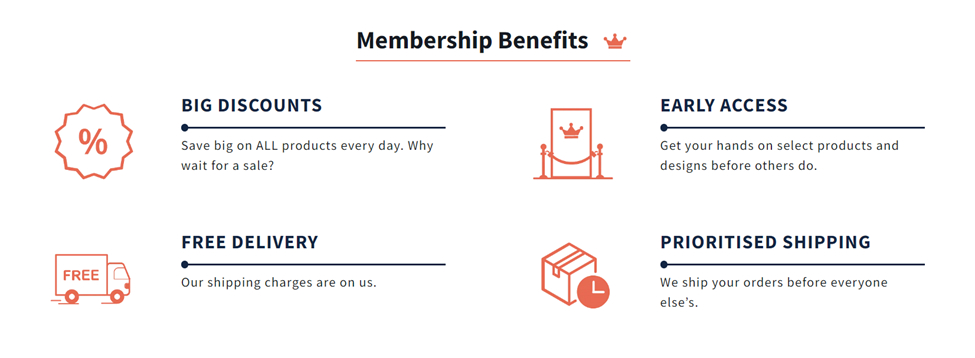
The Souled Store, the D2C apparel startup that recently raised Rs. 135 crores, offers its subscribers exclusive membership benefits like early access, prioritized shipping, daily discounts, and free delivery. Feeling special yet?

membership benefits

The Power of Targeted Communication

Gone are the days of generic brand communication. Today’s customers crave targeted communication that feels genuine and relatable – think of how Spotify uses Wrapped to give its listeners a personalized recap of their audio habits from the past year. Market studies indicate that 80% of shoppers are more inclined towards buying from brands offering personalized experiences.

Bigger companies like Netflix, YouTube, and Facebook have been doing this for ages and reaping the benefits. As a D2C brand, you’re primed to analyze customer data such as purchase history, browsing behavior, and past interactions for actionable insights. Brands can make the most of this invaluable data to personalize product recommendations, craft targeted communication, and even customize pricing and discounts.

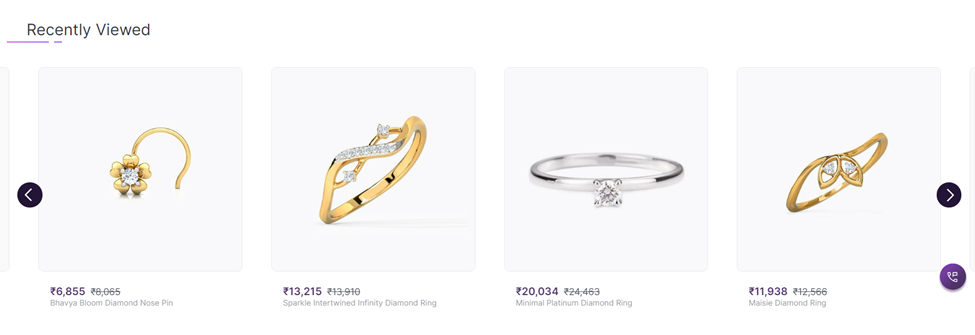
Titan-acquired Caratlane, one of the fastest-growing D2C Indian jewelry brands, utilizes customers’ browsing history to retarget products that they’ve previously viewed.

The Power of Targeted Communication

This makes members feel valued while also inciting them to take action as the brand advocates by writing a review. Win-win.

Community Building: Cultivating a Sense of Belonging

Building a community around your brand goes beyond managing social media pages. Today’s brands focus on creating a space where customers can interact, share experiences, and feel part of something bigger. This could be an online forum, a private Facebook group, or even exclusive customer events. By instilling a sense of belonging, you’re nurturing deeper brand loyalty and encouraging organic word-of-mouth marketing.

Encourage user-generated content, celebrate customer milestones, and make your customers feel valued and heard. It is also useful for customer journey tracking, as now, brands can engage with their customer where they are present and get real-time feedback.

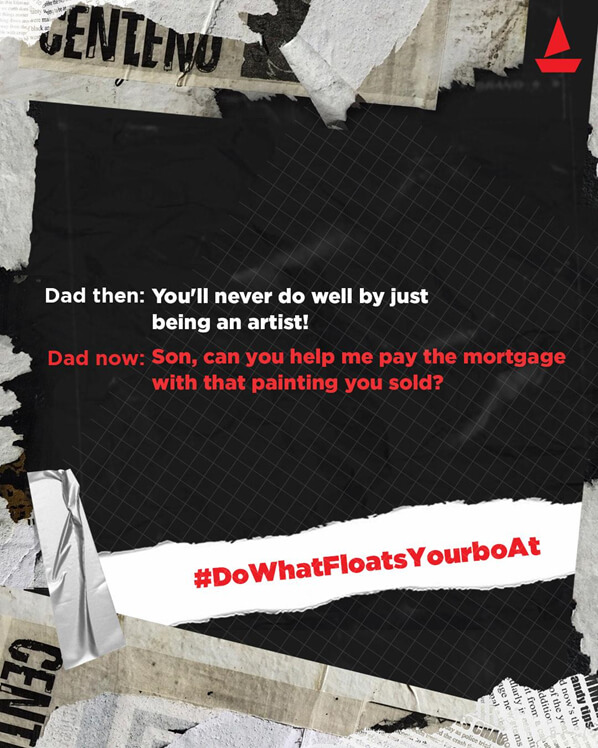
Building_ Cultivating a Sense of Belonging

One of the best examples of a D2C brand championing community building is boAt. It has built a community of ‘boAtheads’ and launched powerful campaigns like I Am A boAThead, #BreakingStereotypes, and #DoWhatFloatsYourboAt to inspire their followers to join the cause and be a part of the movement.

Gamification: The Fun Factor of Retention

People love a good game! Gamification is proving to be a powerful tool for boosting engagement and retention – studies indicate that gamification tactics have enhanced both engagement and loyalty by up to 30% for brands like eBay, Walgreens, and many others.

Gamification works in multiple ways such as integrating points, badges, and leaderboards into your loyalty program, introducing quizzes on your website, adding a humanitarian cause as a purchase compliment, or even interactive social media campaigns that encourage active participation.

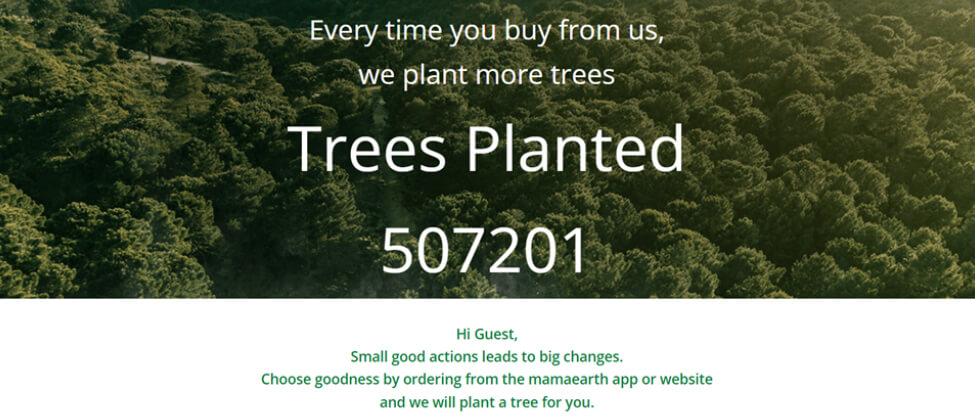
Mamaearth, the loved natural skincare brand, pledges sustainability by promising customers to plant trees against orders from their app and website.

Gamification_ The Fun Factor of Retention

On the other hand, you can also go with the tried and tested method of offering rewards for completing specific actions like leaving reviews or referring friends. Remember, making it fun, relevant, and rewarding is the key.

Summing it up

If you’re looking to go the extra mile, it’s best not to forget the power of unexpected moments of delight as a powerful customer retention tactic. Make an effort by sending a handwritten thank you note with an order, offer a complimentary upgrade, or surprise your most loyal customers with a small, thoughtful gift. Think of how Nykaa offers its most loved members a birthday gift for shopping on their birthday month or how Sugar Cosmetics offers freebies to get the attention of first-time buyers.

These little gestures can create lasting memories and solidify brand loyalty. After all, customer retention is a marathon, not a sprint. By implementing these effective strategies and consistently exceeding customer expectations, you’ll be well on your way to building a thriving and loyal D2C community, ensuring your brand flourishes even among the crowd of competitors.

Contact Sudha Solutions today to strategize your next eCommerce customer retention journey!