

At Sudha Solutions, we’ve always believed in staying ahead of the digital curve. But even we’ll admit, the search landscape is evolving faster than ever.
If you’ve noticed Google serving AI-generated summaries above the usual list of blue links, you’ve seen the latest disruptor: AI Overviews. They’re reshaping how users interact with search results and how we, as content creators and marketers, must think about visibility.
So, how do we adapt? How do we make sure our content still performs in this AI-first search world? Let’s explore what’s changing, why understanding the difference between AI Overviews and organic search matters, and how we’re future proofing our content pipeline to keep driving results for our clients and ourselves.
Google AI Overviews vs Organic Search: What’s Really Changing?
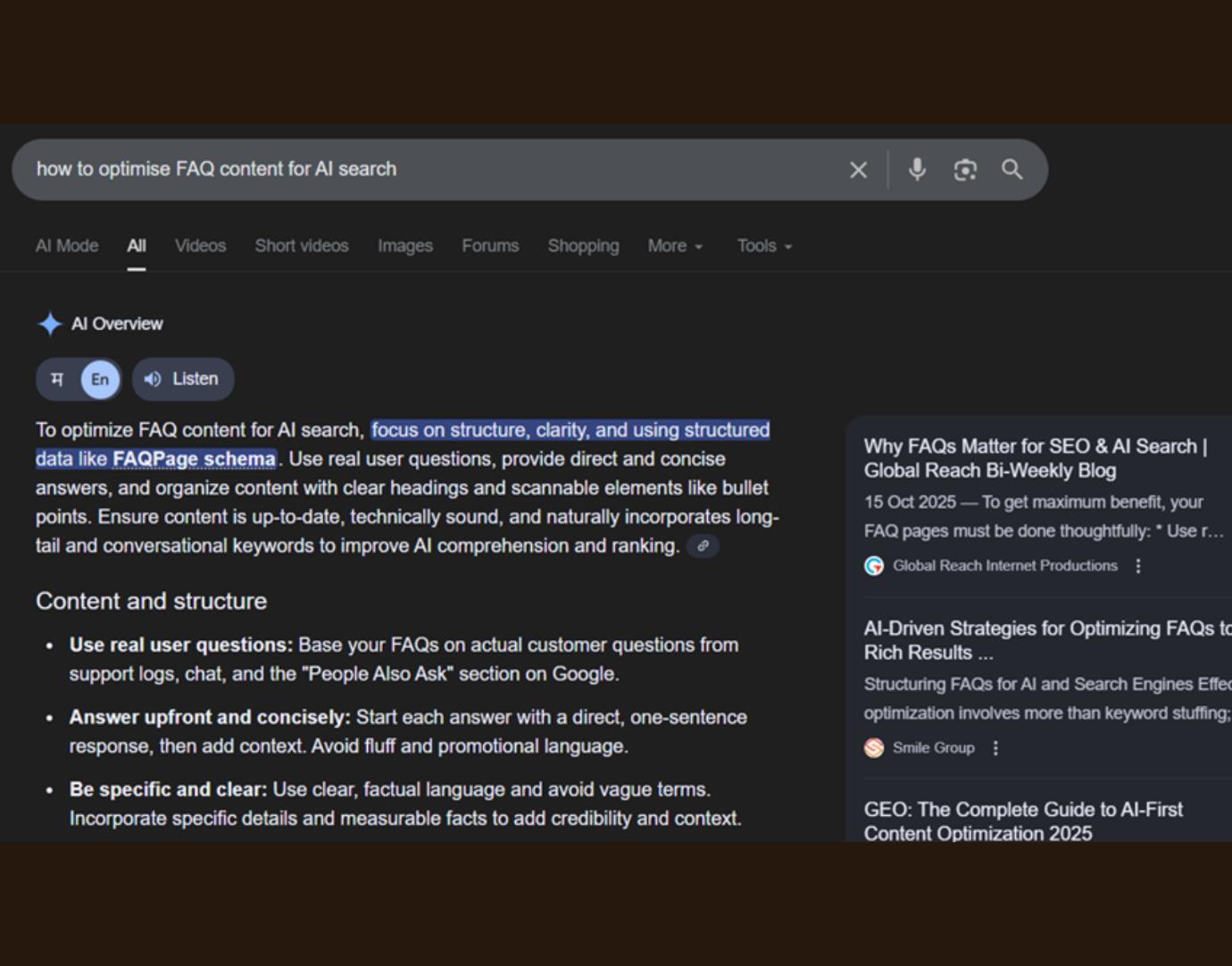
Imagine you search “how to optimize FAQ content for AI search” and instead of seeing a list of blue links, what you first see is a concise summary generated by an AI, maybe with a few links at the bottom.
That’s what we mean by an “AI Overview”. Search engines (primarily Google) are increasingly giving users direct, machine-generated answers at the top of the page.
These AI Overviews differ from classic organic listings in two fundamental ways:
- They appear above the #1 organic link (so traditional rankings don’t have the same visibility).
- Users get answers without clicking, leading to fewer visits even for high-ranking pages.
- Sources cited in AI Overviews aren’t always the same as top-ranking pages, which means traditional SEO alone no longer guarantees visibility.
Recent studies show that when AI Overviews appear, organic click-through rates drop by 50%; a significant hit for brands relying solely on search traffic.
At Sudha Solutions, we see this as both a challenge and an opportunity. Because while AI may reduce clicks, it also rewards trusted, well-structured, expert-backed content by citing them in its summaries.
How AI Overviews Impact Organic Traffic
It is evident that organic traffic is the lifeblood of many brands. But the rise of AI Overviews is reshaping that flow.
It is noticed that informational queries like “how to optimize search engine results” are most likely to trigger AI Overviews. For these queries, visibility often comes from being cited by AI, not just ranked high. In other words, ranking #1 doesn’t guarantee clicks anymore.
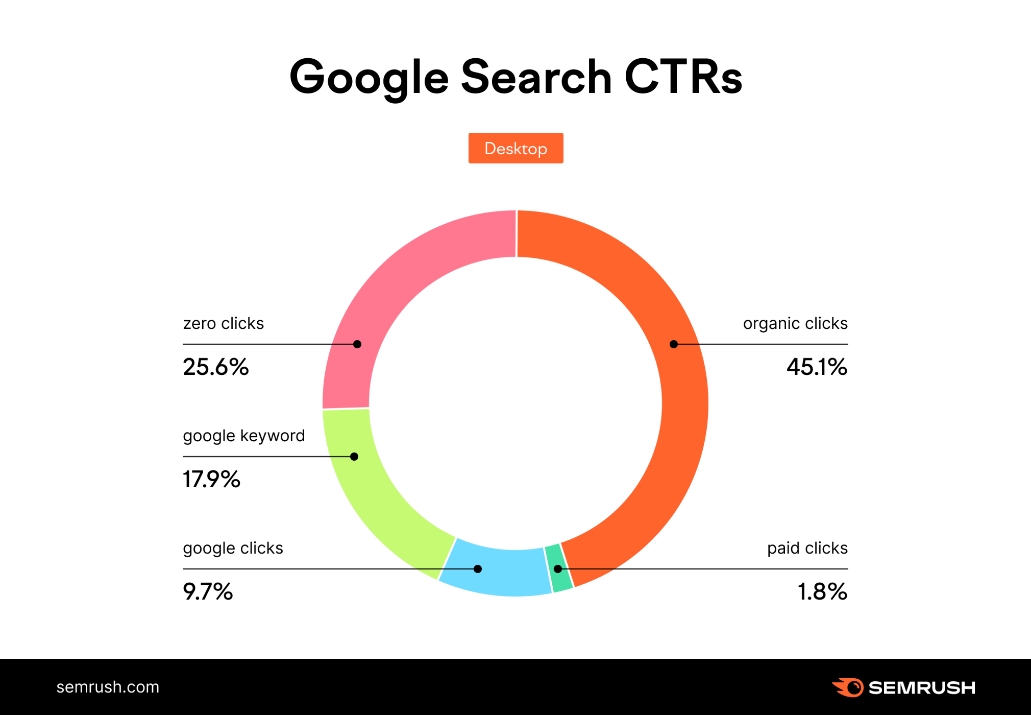
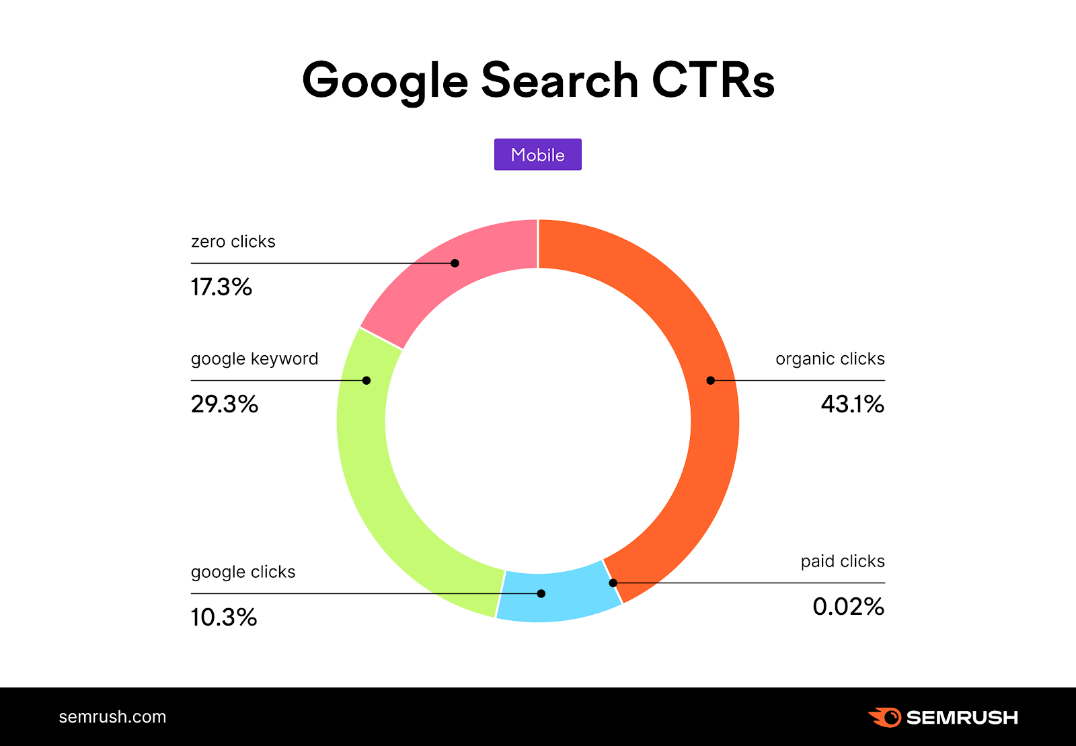
For us at Sudha Solutions, this realisation changed how we measure results. We now look beyond traditional ranking metrics to include:
- AI Overview mentions or citations (is our content being referenced in the summary?)
- Zero-click impressions (how many users see our content through summaries even if they don’t click?)
- Engagement and conversions (because quality traffic still wins over quantity).
The bottom line: SEO isn’t dead, it’s just evolving. And we’re evolving with it.
How We’re Future-Proofing Our Content Pipeline
We’ve overhauled our content workflow to thrive in this hybrid world of AI and organic search. Here’s how we do it:
1. Lead with the Answer
Each blog, guide, or article now starts with a clear, concise “mini summary” (think ~50-75 words) of the key answer or insight. This “answer-first” structure is user-friendly and AI-friendly, too. Search engines prefer pulling short, well-phrased summaries when generating AI Overviews.
2. Use Question-Based Headings & Long-Tail Queries
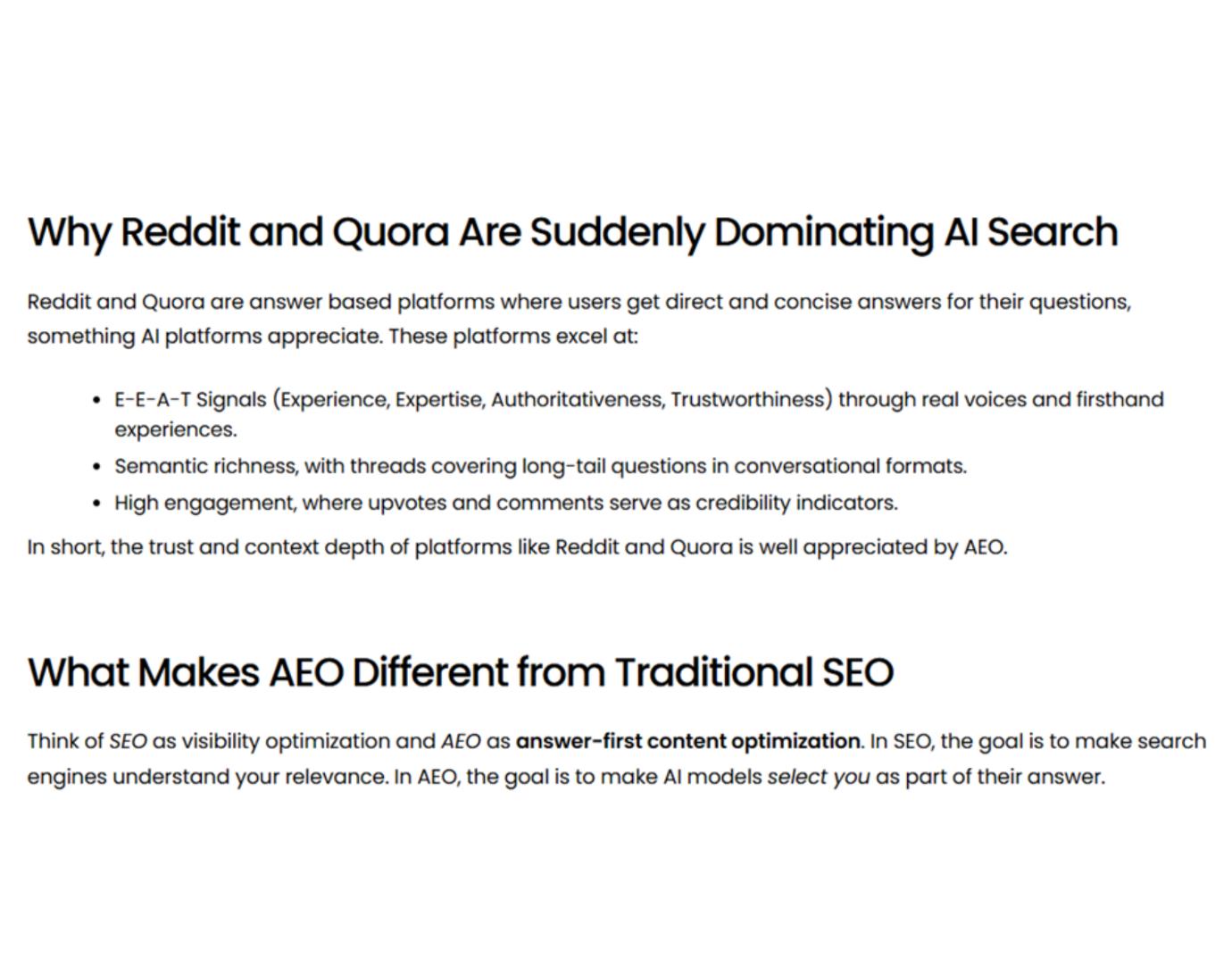 We’ve started building content around user questions instead of just keywords. Headings like “What Is Generative Engine Optimization?” or “How to Get Content Featured in AI Overviews?” make it easier for both readers and AI systems to understand our intent and position us for inclusion in summaries and featured snippets.
3. Strengthen E-E-A-T Signals
 EEAT guidelines: Experience, Expertise, Authority, and Trust are content 101. We make sure every piece of content includes:
- Team credentials and bios (“At Sudha Solutions our lead SEO strategist has 10 years of experience…”)
- First-hand insights from our campaigns and client work
- Credible data sources and citations
Because what the AI systems (and search engines) are favouring is not just any answer but trustworthy answers.
4. Implement Structured Data / Schema
Whenever appropriate (FAQ, How-To, Article), we use schema markup so that search engines can better understand our content. This increases chances of being pulled into an AI Overview or featured snippet environment.
5. Build Topical Authority
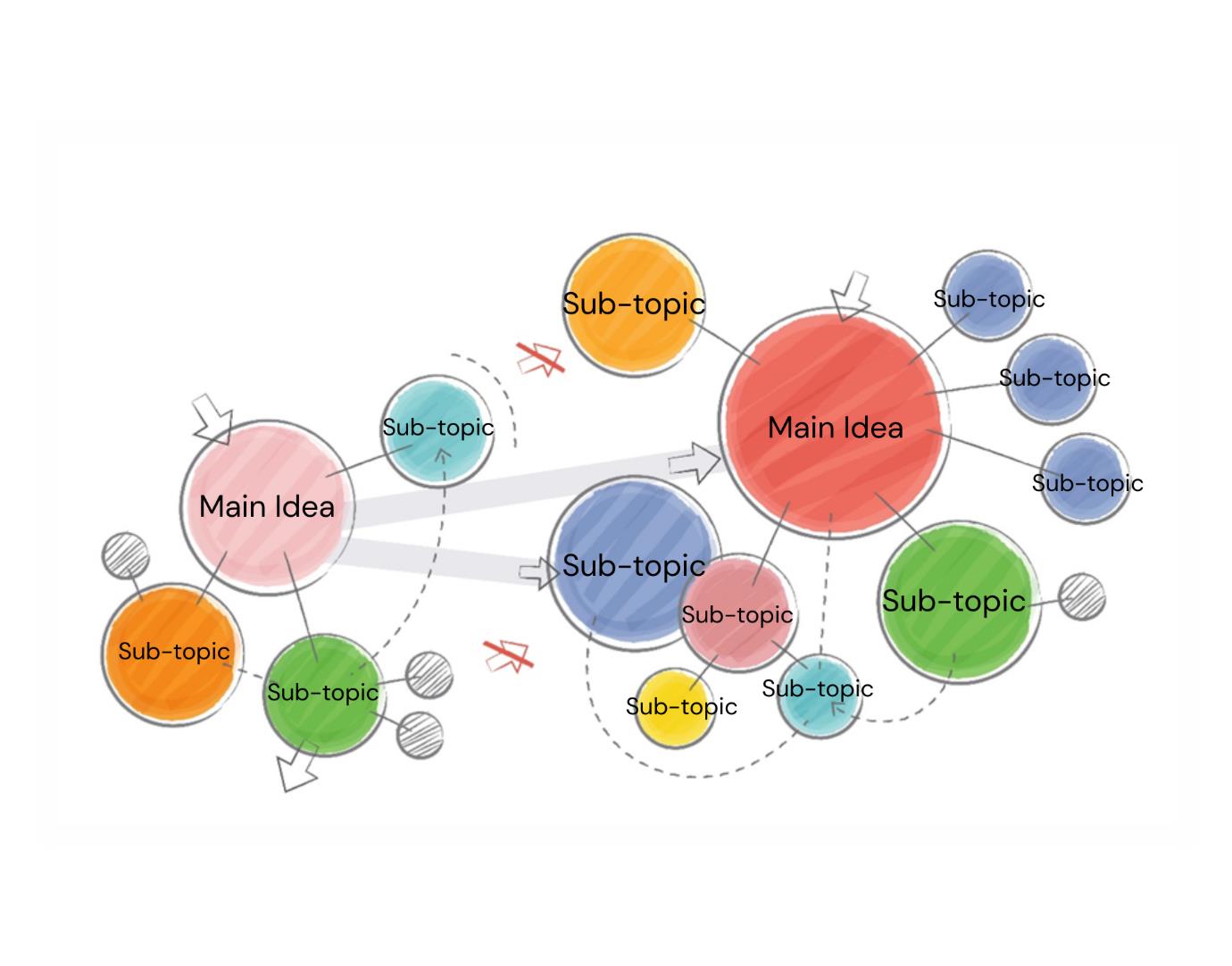
Instead of single blog posts here and there, we group content into clusters or themes (e.g., “AI in SEO,” “Generative Search Strategies,” or “SEO and AEO”). Over time, this builds Sudha Solutions as an authority in the space. And this type of authority helps in being chosen as a citation for AI generated summaries.
6. Monitor the Metrics
We’ve redefined success metrics to focus on visibility and trust:
- Which queries trigger AI Overviews (via tools or SERP-feature tracking).
- Is our brand appearing in “related answers” sections?
- Traffic vs click-through when overviews appear vs when they don’t.
This helps us stay agile and data-driven, adjusting our pipeline as search evolves.
Mini Case Study: A Peak into Our AI Success Story
Last quarter, we updated an existing blog for one of our clients: originally, it was structured with a generic overview and then deep content. We reworked it: added a “Key Takeaway” summary at the top, reframed headings as user-questions, added expert quotes and data, and applied FAQ schema at the end.
And the result? For that query set, we observed that while the organic ranking stayed roughly the same, the click-through rate improved significantly for queries that also triggered AI Summary features.
Also Read: Will AI Overviews Kill SEO Traffic?
Key Takeaways for Your Own Content Strategy
If you’re serious about staying visible in 2025 and beyond, here’s where to start:
- Audit your top-performing pages: check if they trigger AI Overviews and if your content is being cited.
- Add concise, answer-first summaries at the top of each article.
- Use question-based subheads and structured data to make your content easier to parse.
- Double down on E-E-A-T: showcase experience, cite sources, and give expert insights.
- Build clusters, not islands: interlink related posts to signal depth and authority.
- Track AI presence metrics alongside rankings and clicks.
At Sudha Solutions, these steps are now core to how we build and maintain content pipelines for clients, ensuring that every piece is ready for both search engines and AI models.
Final Thoughts
Search is evolving fast. The rise of AI Overviews challenges many of our long-standing habits around organic SEO. But it also opens up new opportunities for brands who move from chasing rankings to providing authoritative answers that machines trust and users appreciate.
At Sudha Solutions, we’re all-in on this shift. If you’re ready to evolve your content pipeline, reduce reliance on “top10 blue links”, and become a reference in the space, we’re here to help guide the journey. Let’s adapt, lean into this future, and make sure your content doesn’t just rank; it resonates, gets cited, and drives real value. Reach out to us at Sudha Solutions.