
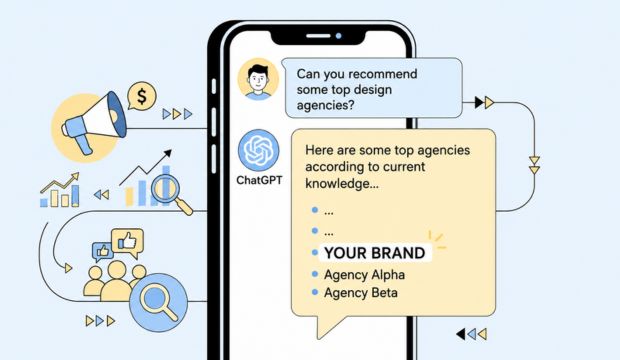




Here’s a question worth sitting with for a moment. If a potential customer asks ChatGPT “what are the best options for [your service category]” right now, does your brand appear in the answer?
For most businesses, the honest answer is no. And that’s a problem that’s growing quietly in the background while marketing teams stay focused on Google rankings, social media, and paid ads.
ChatGPT crossed 800 million weekly active users in October 2025, doubled from 400 million just eight months earlier, according to 5W PR’s research. And 42% of B2B decision-makers now use an AI tool in the very first step of their buying process. That’s not a future trend. That’s already how buyers are researching right now.
Getting cited in those AI answers isn’t a mystery, and it isn’t luck. It’s the result of specific, measurable signals that brands can build deliberately. This article walks through exactly what those signals are and how to act on them.
If you want to understand how ChatGPT’s selection process works at a technical level, How ChatGPT Decides Which Sources to Cite covers that in detail. This article focuses on what to actually do about it.
The Single Biggest Shift to Understand First
Before getting into tactics, there’s one finding from recent research that changes how the whole strategy should be approached.
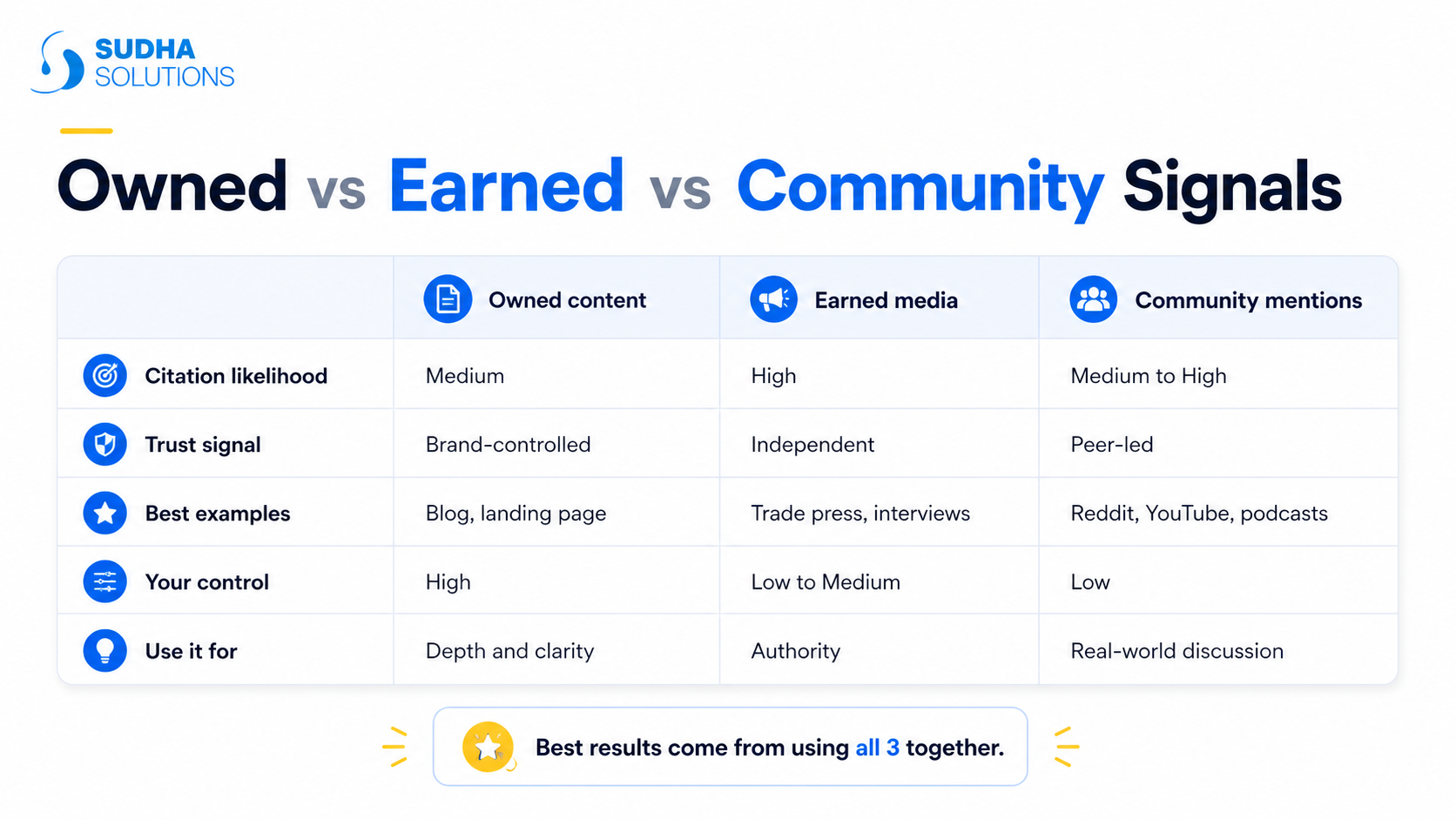
Researchers from the University of Toronto ran large-scale controlled experiments across multiple AI search platforms and found that AI search exhibits a systematic and overwhelming bias toward earned media, third-party, authoritative sources, over brand-owned and social content.
Let that land. Your own website, your own blog, your own social media presence; these are the least likely places for ChatGPT to source a citation from.
Distributing content to a wide range of publications can increase AI citations by up to 325% compared to only publishing content on a brand’s own site, according to a Stacker study published in December 2025.
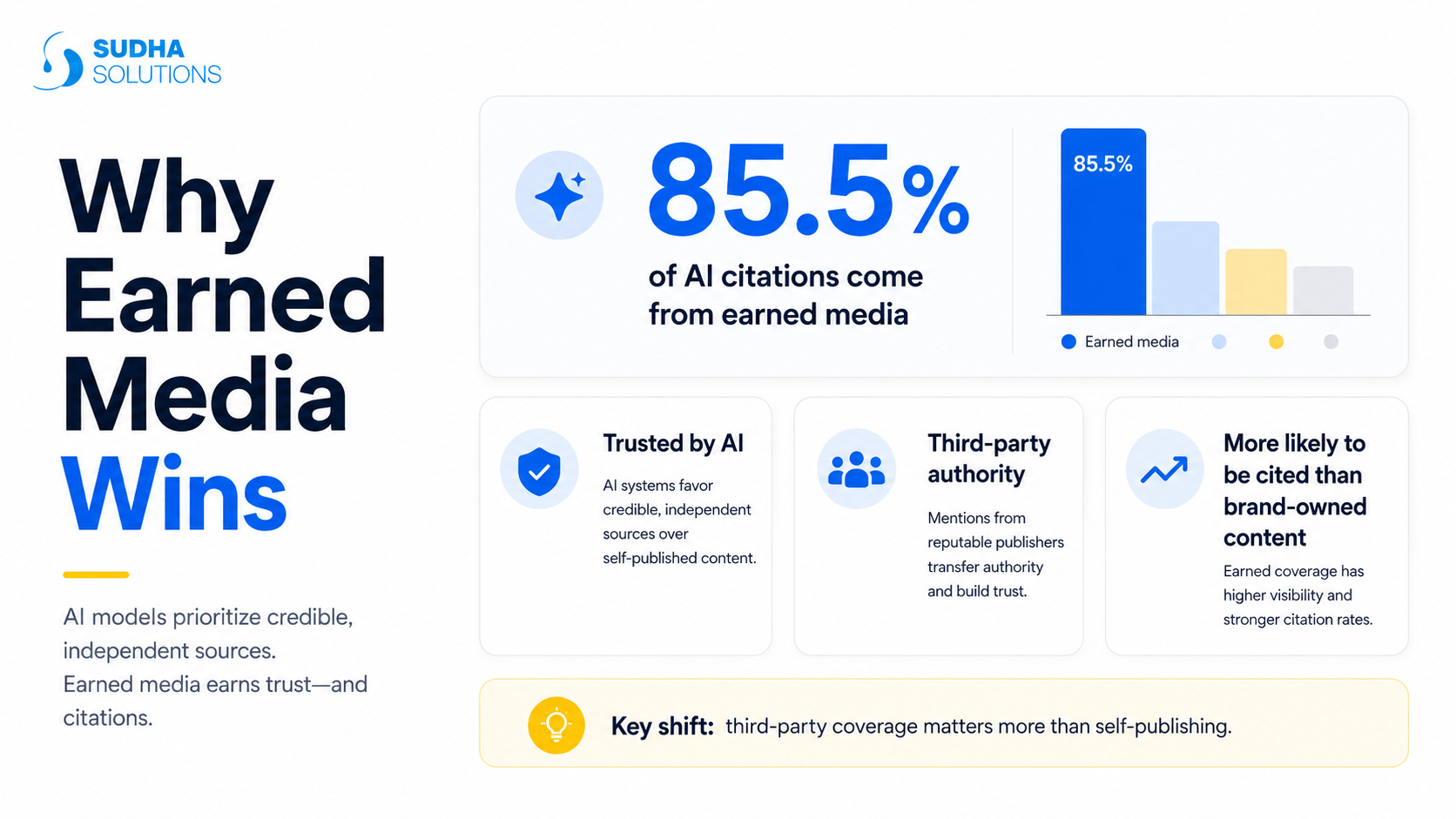
And the numbers are even more direct from 5W PR’s May 2026 research compilation: 85.5% of AI citations come from earned media, not brand websites.
This is the core strategic shift for any brand serious about ChatGPT visibility. Businesses now investing in answer engine optimization services are focusing heavily on third-party authority, structured content, and AI citation relevance. The effort needs to move off the company’s own domain and onto the platforms, publications, and communities that AI systems already trust.
Step 1: Build an Earned Media Presence – Intentionally
Most brands treat PR as a nice-to-have. In the context of AI citations, it’s closer to a non-negotiable.
Up to 89% of AI citations come from earned media, according to MuckRack research. And while overall media mentions dropped 41% year over year in one tracked period, brand reach actually increased 10% – suggesting AI prioritises context and depth over volume. It doesn’t have to be top-tier coverage. High-authority, in-depth stories from trade publications and niche media can be just as powerful as those from national outlets.
This matters a lot for mid-sized B2B companies that don’t have access to Forbes or TechCrunch. Industry trade publications, niche blogs with genuine authority, and topic-specific media still carry strong citation signals. The key is appearing in sources that ChatGPT’s retrieval system recognises as credible; which often means sources that have themselves accumulated meaningful referring domains and consistent coverage history.
Practically speaking, this means:
Getting featured, quoted, or reviewed in publications that cover the brand’s category. Guest articles that establish genuine expertise. Analyst relations, if relevant to the sector. Press releases structured so that the brand’s key claims are extractable as clear factual statements.
Thought leadership and original research now perform like earned media – AI platforms surfaced research and academic-style content 26% of the time, based on findings from PAN’s C-Suite Signals study. Commissioning or publishing original data is one of the highest-leverage moves available because it creates something citable that no competitor can replicate.
Step 2: Resolve Your Brand as an Entity
ChatGPT doesn’t just retrieve pages. It builds internal representations of what brands are, what they do, and which sources are authoritative about them. If the AI can’t clearly resolve a brand’s identity from independent sources, that brand gets ignored in favour of alternatives that are easier to identify.
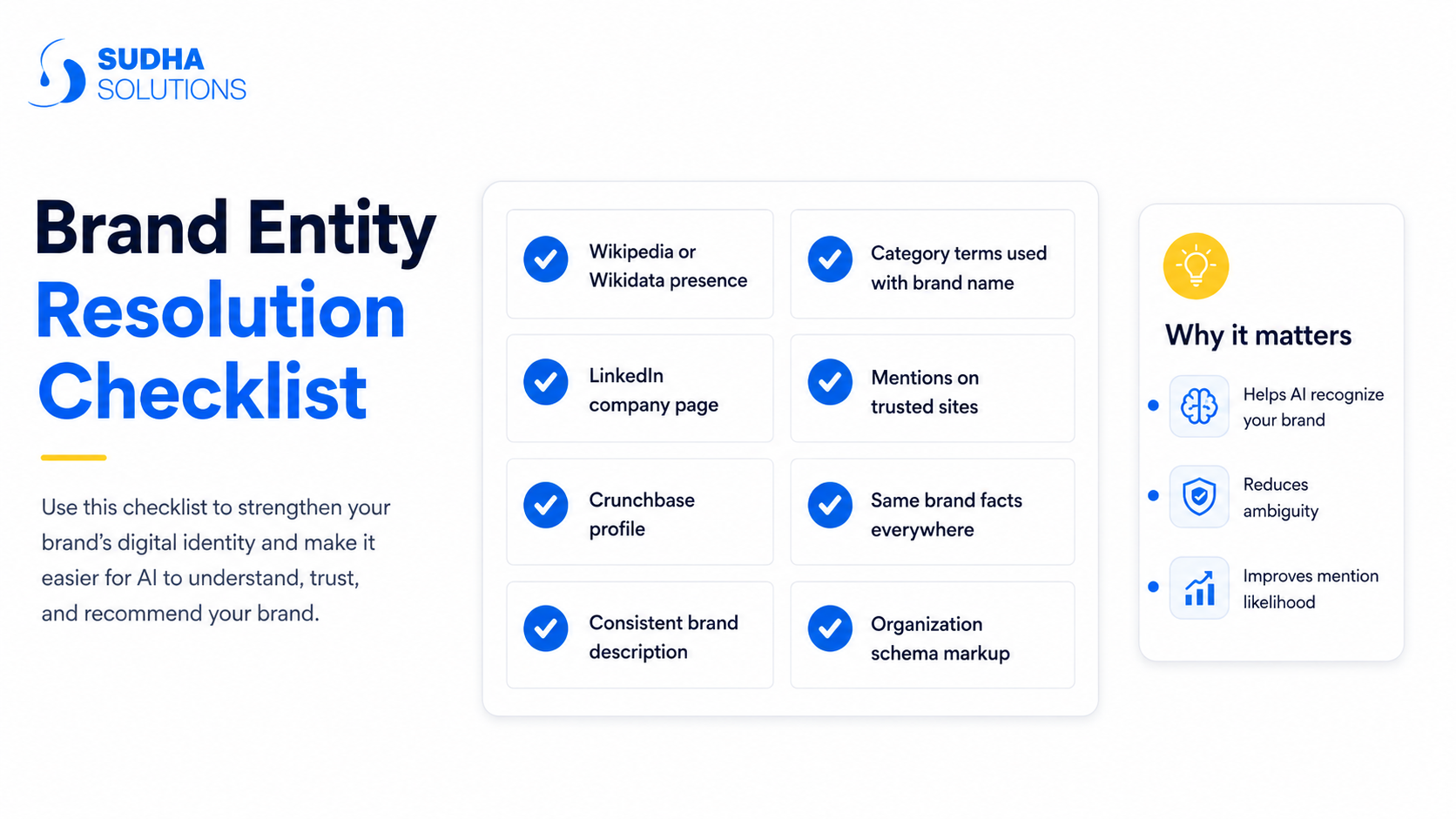
Entity optimisation is the process of creating consistent, structured identity signals across the web: Wikipedia presence (or Wikidata), structured data on the brand’s own site, consistent brand mentions that include category terms alongside the brand name, and cross-platform consistency in how the brand is described. When ChatGPT or Gemini encounters a query, they resolve brands through entity recognition. If a brand’s entity is well-defined and consistently reinforced across high-authority sources, it gets resolved clearly. If the entity is ambiguous or sparse, it gets ignored in favour of clearer alternatives.
The practical checklist here is straightforward. A Wikipedia or Wikidata entry where the brand meets notability thresholds. A complete, accurate LinkedIn company page. A Crunchbase profile. Consistent brand descriptions across every platform; not slightly different versions of what the company does, but the same clear category positioning repeated consistently.
ChatGPT cross-references brand and author data from Wikipedia, LinkedIn, podcast appearances, Crunchbase, and Wikidata when deciding who to mention by name.
The brands that show up reliably in AI answers are the ones that have done this unglamorous work of making their identity legible across the web.
Step 3: Get Listed on the Platforms ChatGPT Trusts
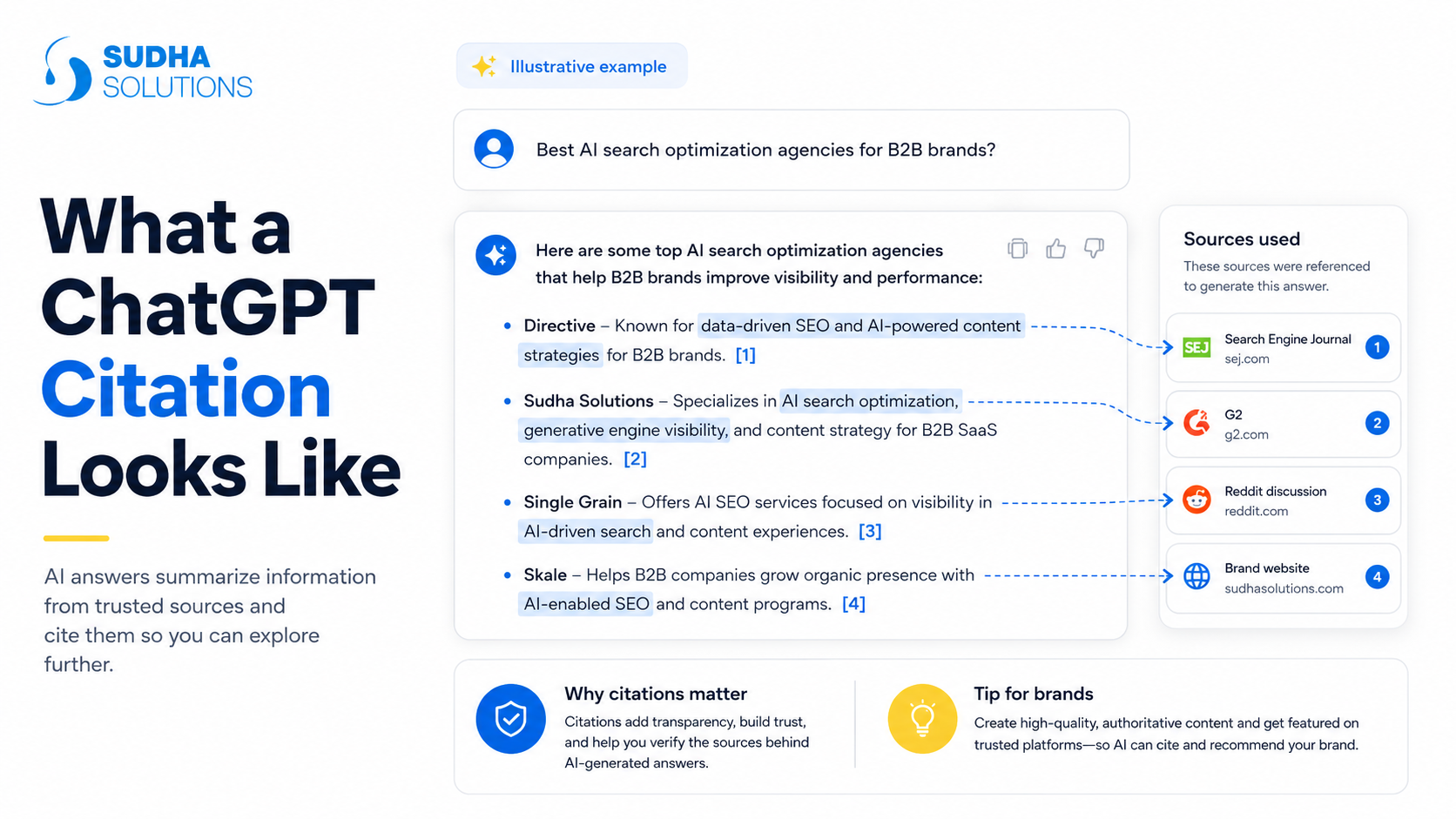
There are specific third-party platforms that appear disproportionately in ChatGPT citations. Being present on these platforms is one of the more direct levers available, especially for B2B brands.
ChatGPT Browse disproportionately cites well-established domains with high authority: Wikipedia, Reddit, major news outlets, G2, Capterra, Trustpilot, and domain-specific authorities. New domains are cited less frequently. This is why publishing on established platforms while a brand’s own site builds authority is the most effective short-term GEO tactic for ChatGPT.
For B2B companies specifically, G2 and Capterra profiles aren’t just lead generation tools anymore. They’re citation infrastructure. A brand that appears on G2 with substantive reviews is far more likely to be named in a “what are the best options for X” query than a brand that exists only on its own website, regardless of how good that website is.
The same logic applies to industry directories, association listings, and any platform where buyers in the category naturally go to compare options. If ChatGPT has learned to trust those platforms, being present on them gives the brand a proxy citation pathway that doesn’t depend on domain authority alone.
Step 4: Fix the Content on the Brand’s Own Site
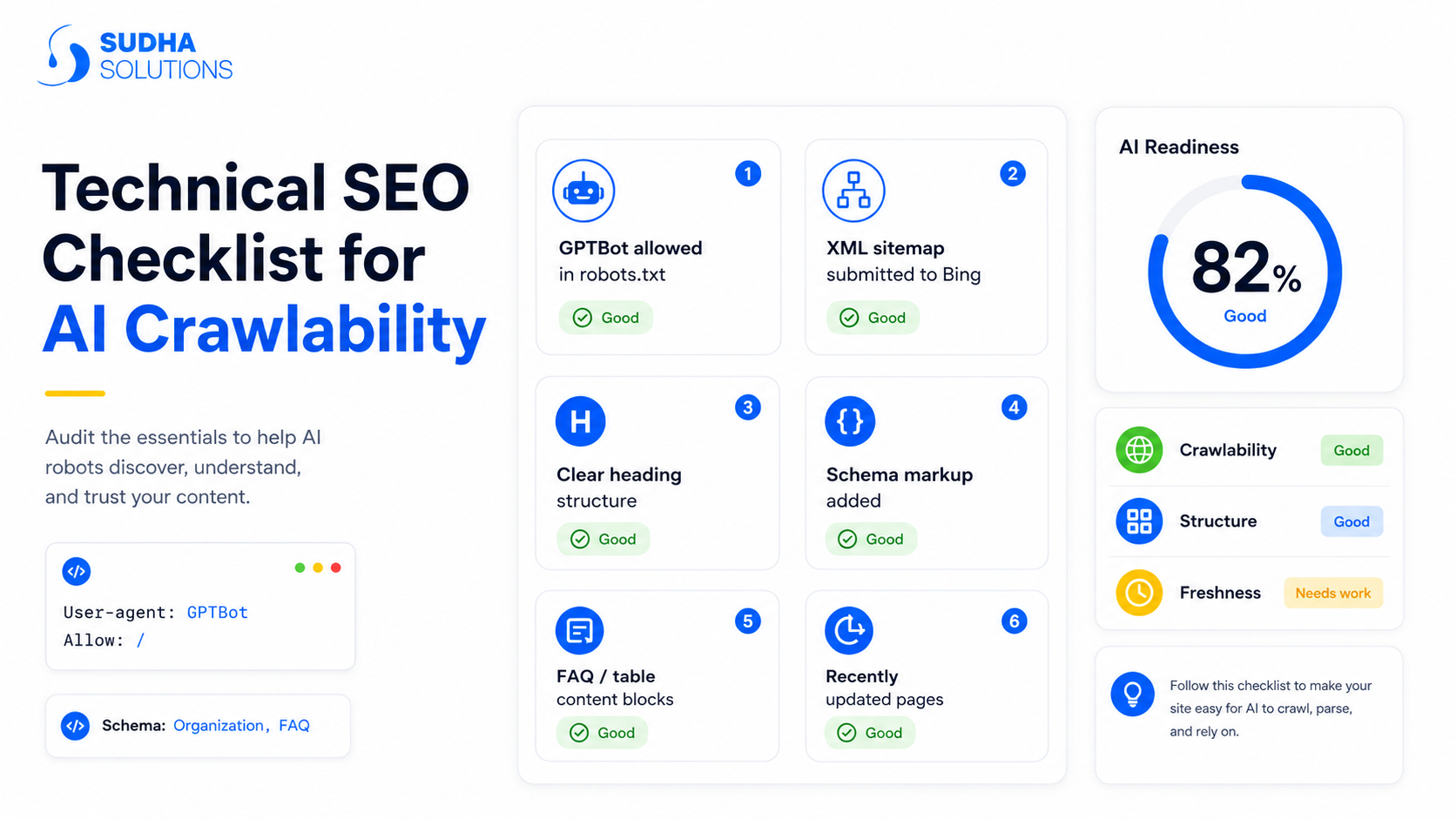
Even though owned content is weighted lower than earned media, it still matters. And for many brands, there are basic structural problems with their own pages that make it harder for AI systems to extract and cite anything useful.
The OtterlyAI 2026 AI Citations Report found that 73% of websites have technical barriers that block AI crawler access. Brands that fix crawlability issues immediately remove a structural handicap.
Start with accessibility. Businesses investing in technical SEO services for ChatGPT optimization are often able to improve crawlability, indexing, schema implementation, and AI citation visibility much faster. Is GPTBot allowed in the site’s robots.txt? Has the sitemap been submitted to Bing Webmaster Tools? ChatGPT’s browsing mode runs on Bing’s index. If the site isn’t being crawled by Bing, none of the content optimisation work matters.
Beyond that, the content itself needs to be structured for extractability. FAQ sections, comparison tables, and clear heading structure are not just user experience improvements; they are citation extraction signals. AI systems parse structure to identify extractable claim blocks. Content presented in unstructured prose is harder to cite than content with named claims, specific data points, and logical section progression.
44.2% of all LLM citations come from the first 30% of a page. Get the answer near the top. Let the depth come after.
Pages also need to be updated regularly. Of all cited pages analysed by Ahrefs, 89.7% had been updated in 2025, and 60.5% were published within the last two years. A high-quality page that hasn’t been updated in six months faces a meaningful citation disadvantage relative to a comparable page with recent edits.
Step 5: Build Presence on the Platforms Where Conversations Happen
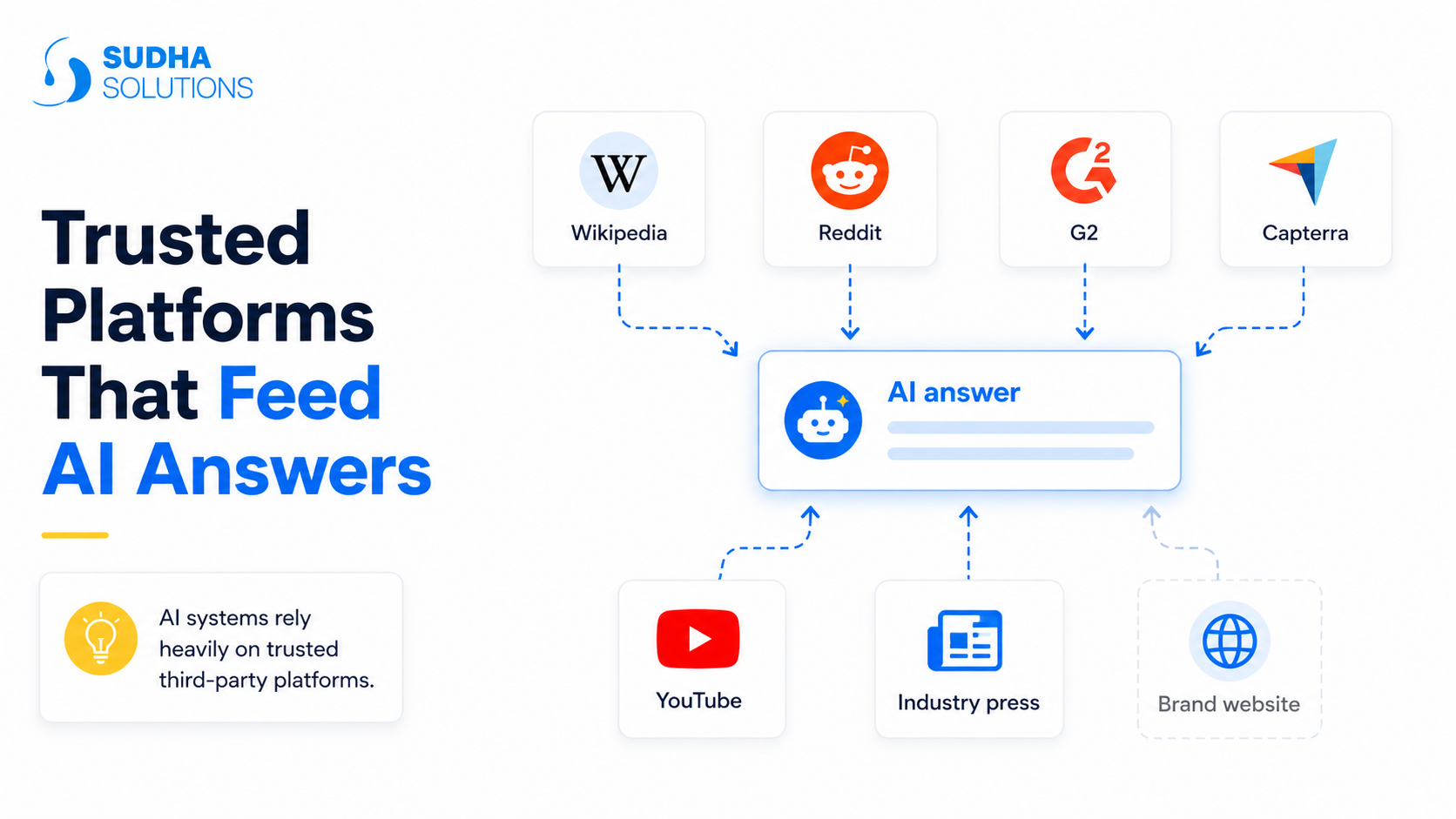
Brand mentions across the web are a primary signal for AI citation. Businesses working with an experienced AI search optimization agency are often better positioned to build cross-platform authority signals that improve AI visibility. And some of the most valuable mentions don’t come from formal media; they come from communities and platforms where real conversations happen.
YouTube mentions specifically correlated at 0.737 with AI visibility; the strongest single signal of any factor measured in the Ahrefs December 2025 study. Brand mentions overall sat at a 0.664 correlation, compared to 0.218 for traditional backlinks.
Reddit showed up consistently in citation research as a platform ChatGPT trusts heavily. Being present in subreddit discussions, being recommended by real users, having substantive threads that mention the brand in a category context; these signals accumulate in ways that are hard to manufacture but very durable once earned.
YouTube is worth treating as a serious content channel, not just a distribution afterthought. Videos that explain a topic clearly, establish expertise, and mention the brand naturally; these create citation signals that are harder to replicate than blog posts.
Podcast appearances work similarly. ChatGPT cross-references podcast appearances when building its understanding of who a brand or author is. A brand whose leadership appears regularly on respected industry podcasts builds a web of mentions that AI systems read as authority signals.
Step 6: Build Topical Authority Through Consistent Content
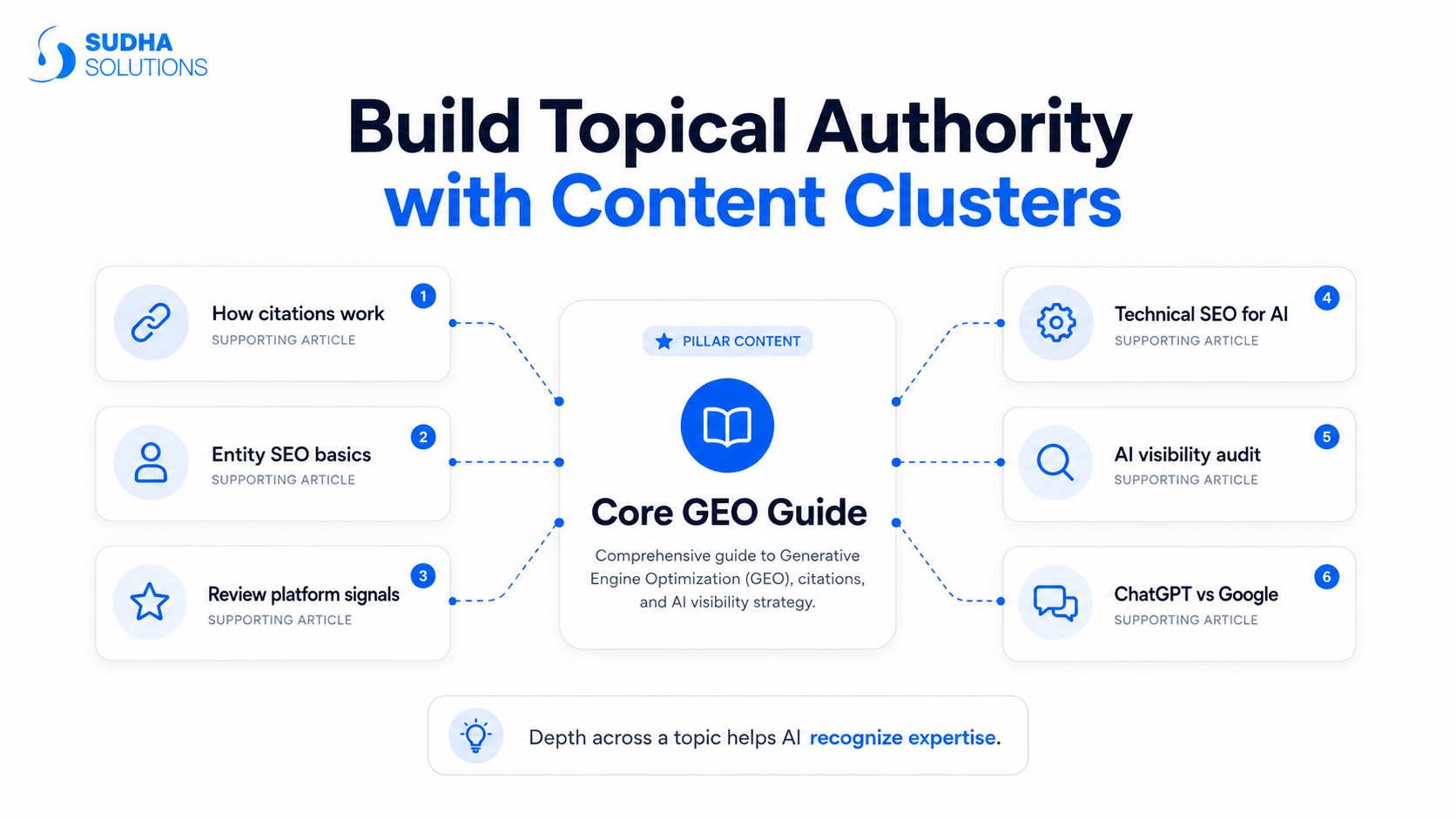
One piece of excellent content isn’t enough. AI systems evaluate brands based on their depth across a topic – whether they’ve demonstrated consistent, comprehensive knowledge over time, not just written one good article.
Covering a subject comprehensively through interconnected content helps signal expertise, especially when structured around entity-based content rather than isolated keyword targeting. Creating topic clusters around a core theme demonstrates depth and reinforces a brand’s position as a reliable source for that subject area.
This is exactly why the pillar-cluster content model described in the GEO Beginner’s Guide is so relevant to citation strategy. A brand that has 15 pieces of content on a topic, all internally linked and building on each other, looks fundamentally different to an AI system than a brand that has one great piece.
The volume of statistical data points matters too. The Search Engine Journal analysis of 400,000+ pages found that content with 19 or more data points averaged 5.4 citations compared to 2.8 for content with minimal data. Publishing original research, citing credible external studies, and building data-rich content consistently are habits that compound over time.
What Not to Do
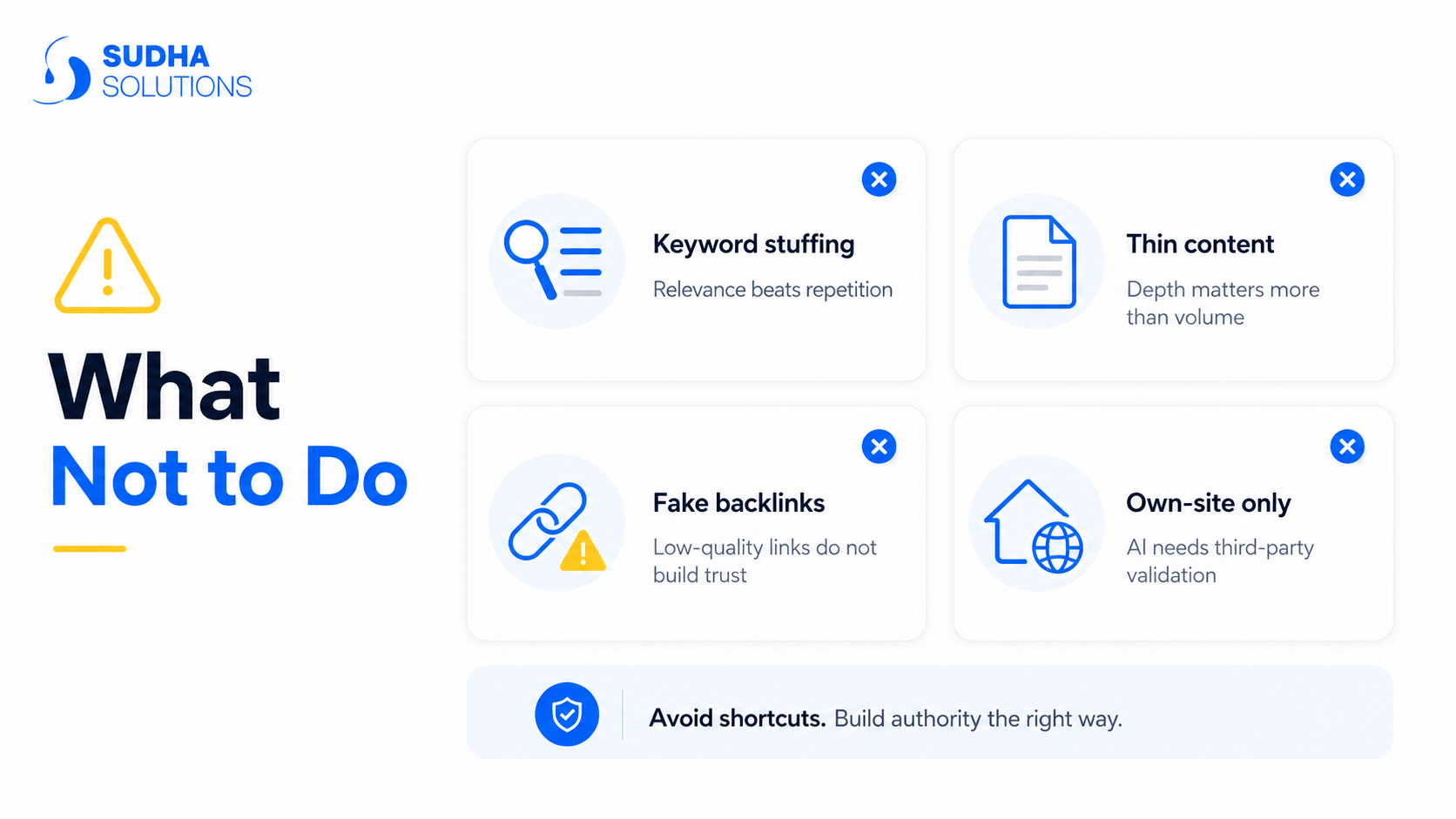
It’s worth being direct about tactics that don’t work and can actually be counterproductive.
Keyword stuffing content with category terms hoping to trigger AI mentions doesn’t work. ChatGPT’s retrieval and synthesis process evaluates semantic relevance and content quality, not keyword density.
Creating large volumes of thin content to appear prolific also misses the mark. Depth and consistency beat volume every time in AI citation research.
And buying backlinks from directories with no genuine traffic or authority doesn’t build the citation signals that matter. The referring domain signals ChatGPT reads are quality-weighted, not just counted.
A brand that exists only on its own domain, without third-party coverage from publishers that AI engines recognize as credible, is not a resolved entity. It is absent from the citation layer regardless of its domain authority or SERP position.
A Realistic Timeline
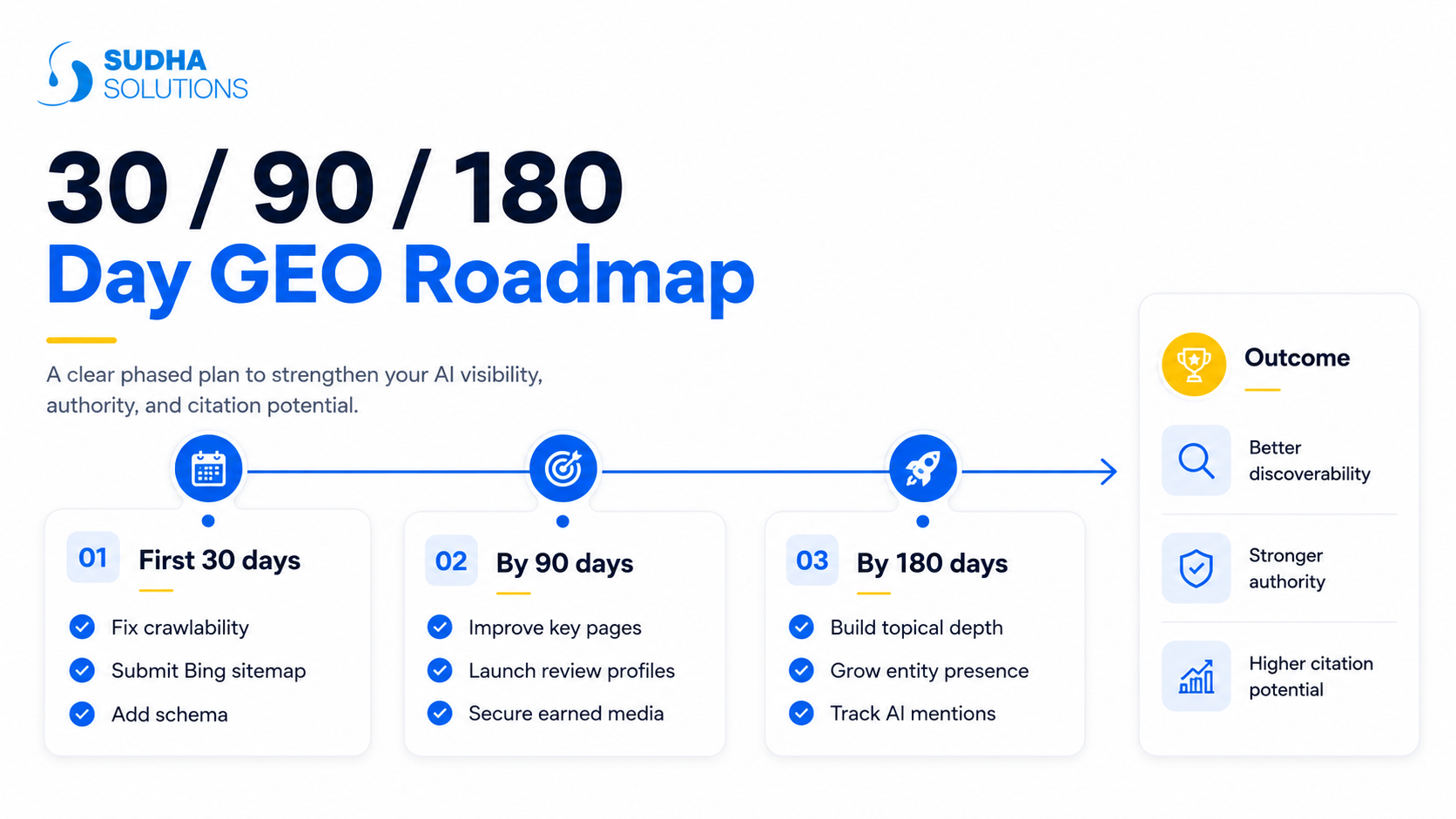
Getting cited by ChatGPT isn’t an overnight project. But it’s not a two-year undertaking either, if the right things get prioritized.
In the first 30 days, the most impactful moves are technical: fix AI crawler access, verify the Bing sitemap, implement schema markup, and audit existing pages for structural problems. These changes can show results within weeks.
Over the following three to six months, the focus shifts to earned media and off-site presence: securing coverage in category publications, building out G2 or Capterra profiles, and developing the content depth on the site that establishes topical authority.
The entity signals, Wikipedia, Wiki data, cross-platform consistency, take the most time to build but also carry the most durable value. These are worth starting early even if results take longer to appear.
Measuring where things stand currently is the right starting point. The next article in this series, How to Audit Your ChatGPT Visibility, covers exactly how to do that in a structured, repeatable way.
This article is part of Sudha Solutions’ ChatGPT Optimization series. Read the full series:
- What is Generative Engine Optimization (GEO)? A Beginner’s Guide
- How ChatGPT Decides Which Sources to Cite
- Why 88% of B2B Brands Are Invisible in AI Search
- ChatGPT vs Google: Where Should Your Business Focus in 2026?
- How to Audit Your ChatGPT Visibility
- LLM SEO for B2B Brands
Sudha Solutions helps businesses build visibility in AI search through content strategy, GEO, and digital marketing. Based in India, working with brands globally.
Frequently Asked Questions
How do brands get mentioned in ChatGPT answers?
Brands get mentioned in ChatGPT answers through strong content structure, entity authority, technical SEO, earned media coverage, and trusted third-party mentions.
What is AI Citation Optimization?
AI citation optimization is the process of improving content, technical SEO, and off-site authority signals, so AI tools like ChatGPT and Google AI Overviews are more likely to cite your brand.
Why are earned media mentions important for ChatGPT visibility?
AI systems trust third-party authority signals more than self-promotional content, making earned media mentions highly valuable for AI search visibility.
Does technical SEO matter for ChatGPT optimization?
Yes. Technical SEO factors like crawlability, schema markup, Bing indexing, and fast-loading pages significantly influence AI search discoverability.
How can businesses improve AI search visibility?
Businesses can improve AI search visibility through GEO optimization, structured content, technical SEO, review platform authority, entity optimization, and consistent brand mentions