





In today’s digital age, brand reputation is more important than ever. Tracking brand mentions is a key part of managing this reputation.
Understanding what people say about your brand can provide valuable insights. It helps in identifying potential issues before they escalate.
Brand mention tracking is not just about monitoring negative comments. It’s also about recognizing positive feedback and opportunities for engagement.
There are many tools available to help with brand monitoring. These tools can automate the process, saving time and effort.
Businesses often rely on SEO expert services to monitor brand visibility across search engines and online discussions.
Social media platforms are also crucial for tracking brand mentions. They are where most conversations about brands happen.
Effective brand mention tracking can enhance customer relationships. It can also improve marketing strategies and overall brand perception.
This guide will explore effective strategies for tracking brand mentions. It will help you maintain a positive brand image.
Why Tracking Brand Mentions Matters for Brand Reputation Management
Brand reputation management is crucial in building trust with your audience. Tracking mentions is a key component of this effort.
Knowing how your brand is perceived allows you to address issues promptly. It also lets you capitalize on positive sentiment.
The digital landscape is vast and ever-changing. Brand mentions can occur on social media, forums, blogs, and news sites.
Regular monitoring aids in preventing PR crises and fostering customer loyalty. Engaging with mentions shows customers that you value their feedback.
Here are some reasons why tracking brand mentions is essential:
- Prevents potential PR disasters
- Enhances customer satisfaction and loyalty
- Provides insights into market trends
Ultimately, a proactive approach to brand monitoring ensures you stay ahead in a competitive market. Recognizing patterns in mentions can reveal opportunities for growth and improvement.
Working with experienced content marketing experts can help brands build a strong presence and manage reputation across multiple digital channels.
Types of Brand Mentions to Track
Understanding the types of brand mentions is fundamental to effective tracking. Not all mentions carry the same weight or context.
Direct mentions typically involve explicit references to your brand name. These are obvious and easy to identify.
Indirect mentions can be trickier, as they involve related topics or keywords without naming the brand directly. Tracking these requires a keen eye.
3 Types of Brand Mentions: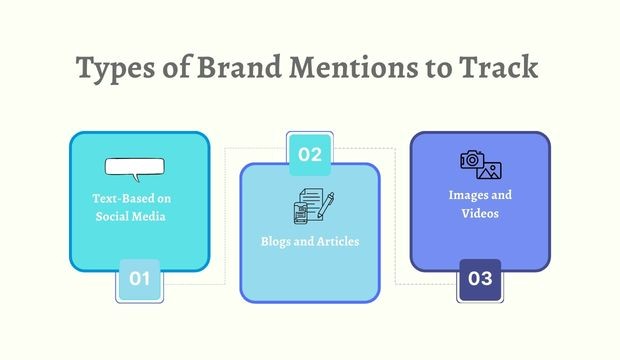 Consider tracking the following types:
- Direct brand name mentions
- Indirect mentions via related topics or keywords
- Visual mentions in images and videos
Monitoring diverse types of mentions offers a holistic view of your brand’s online presence. It enables you to respond strategically and build a stronger brand reputation.
Key Channels for Brand Mention Tracking
Identifying the right channels for tracking brand mentions is crucial. The internet is vast, with numerous platforms where your brand might be discussed.
Social media platforms are prime for brand mentions. With high user engagement, platforms like Facebook, Twitter, and Instagram often drive conversations.
Blogs and forums provide in-depth discussions. These platforms can host content that discusses your brand in detail or in relation to industry trends.
News sites can impact your brand significantly. Tracking mentions here helps in understanding public perception after major announcements.
Consider these key channels for tracking:
- Social media platforms (Facebook, Twitter, Instagram)
- Blogs and online forums
- News websites and digital publications
- Video platforms and podcasts
Tracking mentions across these channels provides a comprehensive view of your brand’s online footprint. It equips you to engage effectively and maintain a positive brand reputation.
Many organizations collaborate with SEO experts to track brand mentions across search results, blogs, and industry publications.
Manual Vs. Automated Tools for Tracking Brand Mentions
| Parameters | Manual Tracking | Automated Tracking |
| Approach | Requires manual effort and regular checking of platforms to identify brand mentions. | Uses software tools to automatically track brand mentions across multiple platforms. |
| Ease of Setup | Tools like Google Alerts are simple to set up and require minimal technical knowledge. | Requires selecting and configuring monitoring tools such as Mention, Brand24, or Hootsuite. |
| Time Requirement | Time-consuming as it involves frequent searches on social media, forums, and blogs. | Saves time by automatically collecting and organizing mentions from various sources |
| Coverage | Limited to platforms you manually check, which may result in missed mentions. | Tracks mentions across multiple websites, social platforms, and online publications simultaneously. |
| Monitoring Process | Involves searching brand names on social media, checking forums, and reading blog discussions. | Automates tracking and aggregates all mentions into a centralized dashboard. |
| Alerts & Notifications | Notifications depend on tools like Google Alerts or manual searches. | Real-time alerts notify brands immediately when new mentions occur. |
Top Brand Monitoring Tools to Consider
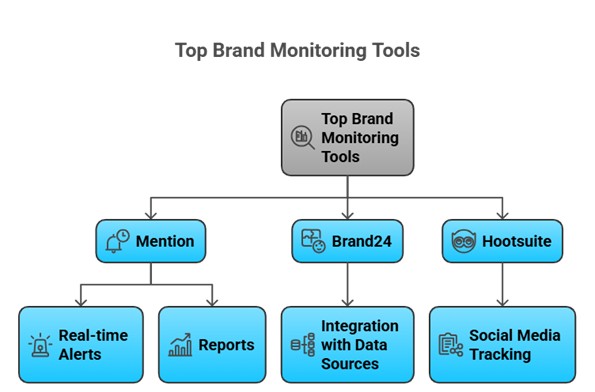
Choosing the right brand monitoring tool depends on your specific needs. Every tool comes with its strengths and features.
Mention is renowned for its user-friendly interface and real-time alerts. It provides detailed reporting on brand mentions.
Brand24 offers a wide range of integrations. It is excellent for businesses looking to combine multiple sources of data.
Hootsuite, a widely-used platform, excels in social media monitoring. It is particularly beneficial for brands with a strong social media presence.
Selecting the right tool enhances your brand tracking efforts. Consider factors like platform coverage, budget, and specific feature needs.
Setting Up an Effective Brand Mention Tracking System
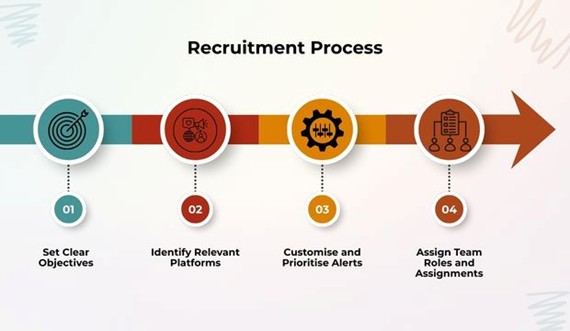
Establishing a successful brand mention tracking system begins with setting clear objectives. Determine what you want to achieve, whether it’s brand reputation management or customer feedback analysis.
Next, decide which channels are most relevant to your brand. Focus on platforms where your target audience is most active, such as social media, forums, or news sites.
Customizing alerts is crucial. Set up alerts to filter out irrelevant mentions and focus on the most pertinent ones. This ensures you only receive notifications that truly matter.
Assigning roles within your team is also essential. Ensure someone is responsible for monitoring, analyzing, and responding to brand mentions in a timely manner.
Periodic evaluations of your tracking system are vital for its success. Regularly review and adjust strategies to maintain their effectiveness and relevance.
Advanced Strategies: Sentiment Analysis and Contextual Monitoring
Understanding the sentiment behind brand mentions is key to effective brand monitoring. Sentiment analysis tools help determine whether mentions are positive, negative, or neutral.
Contextual monitoring goes a step further. It involves evaluating the context in which your brand is mentioned to better understand public perception and sentiment trends.
To implement these strategies, you can use dedicated analytics tools. These tools analyze not just keywords but also the surrounding content to provide deeper insights.
Key advantages of sentiment analysis and contextual monitoring include:
- Identifying potential PR crises
- Understanding customer sentiment trends
- Enhancing customer engagement strategies
By incorporating these advanced strategies, businesses can respond more effectively to public sentiment, ensuring their brand reputation remains positive. Regularly updating your monitoring tools ensures they capture all necessary data for thorough analysis.
Responding to Brand Mentions: Best Practices for Engagement
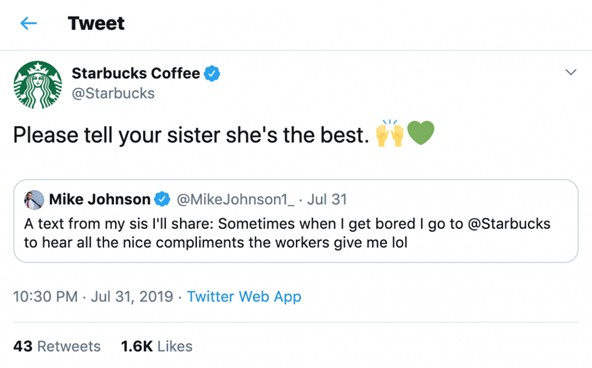
Quick and thoughtful responses to brand mentions can greatly enhance brand image. Brands like Wendy’s, Starbucks, and Netflix regularly engage with their customers on social media platforms. Engaging with users shows that you value their opinions and are committed to excellent service.
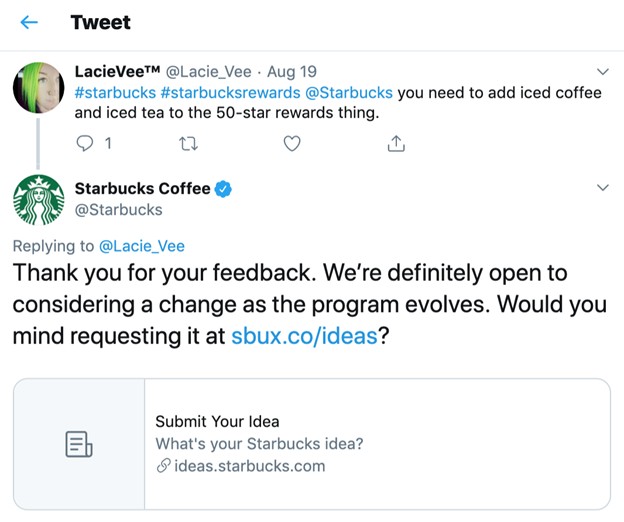
Start by prioritizing mentions based on sentiment and influence. Not every mention requires a response, but influential or negative ones should be addressed promptly.
Effective engagement techniques include:
- Acknowledging positive feedback
- Addressing complaints professionally
- Providing solutions or further assistance
Personalizing your responses can make customers feel valued. Use their name and refer to specific details in their mention. Consistent, positive engagement can turn occasional customers into loyal brand advocates. Additionally, ensuring that your responses are aligned with your brand voice helps maintain a cohesive brand image.
Integrating Brand Mention Tracking with Brand Reputation Management
Brand mention tracking is a crucial part of brand reputation management. It helps you understand public sentiment and the market’s pulse. Monitoring mentions informs how your brand is perceived and guides strategic decisions.
Integrating tracking with management means aligning it with your broader goals. This integration ensures that strategies are proactive rather than reactive. A clear plan can effectively address and preempt potential issues.
Consider these elements for a comprehensive approach:
- Regularly update monitoring tools
- Collaborate with PR teams
- Analyze data to refine strategies
Data from tracking tools can inform reputation management efforts. Recognize trends, anticipate public needs, and tailor responses to uphold your brand’s image. Bridging these components strengthens your brand’s resilience in a competitive landscape.
Measuring Success: Analytics and Reporting for Brand Monitoring
 Evaluating the impact of your brand monitoring efforts is crucial. Accurate analytics and detailed reporting provide insights into the effectiveness of your strategies. These metrics help you understand how well your brand is managing its reputation.
Key metrics to consider include:
- Volume of brand mentions
- Sentiment analysis results
- Engagement levels with mentions
Regularly reviewing these metrics helps you identify trends and areas for improvement. Use this information to tweak your approaches and tailor strategies for better outcomes.
Analytics not only measure past performance but also guide future actions. They ensure that your brand monitoring efforts continuously align with business objectives. By focusing on these metrics, you can effectively gauge the success of your brand reputation management.
Common Challenges and How to Overcome Them
Brand mention tracking can be complex and challenging. Many businesses struggle with certain common issues in this task. Recognizing these challenges is the first step toward overcoming them.
One major hurdle is the overwhelming volume of data. Companies often find it difficult to sift through endless mentions. Utilizing advanced filters in brand monitoring tools can manage this volume effectively.
Another challenge is dealing with negative mentions. Quick and thoughtful responses are essential to mitigate possible damage. Establish a proactive communication strategy to address concerns swiftly.
Accuracy in sentiment analysis can also be a challenge. Algorithms might misinterpret context, leading to skewed insights. Continuous refinement and human intervention in interpreting results can enhance accuracy.
Key challenges include:
- Data overload
- Negative mention management
- Sentiment analysis accuracy
Identifying these challenges early and applying strategic solutions can streamline your brand mention tracking efforts. Consistent evaluation and adaptation ensure that these hurdles are managed efficiently.
Continuous Improvement: Evolving Your Brand Monitoring Strategy
For anyone who has been on social media for a few years knows that there is not one strategy that is set in stone. Strategies change frequently, and adapting is the only solution.
Incorporating feedback from your team and stakeholders can lead to valuable improvements. Always be open to new ideas and approaches. Staying informed about new tools and technologies can enhance your monitoring capabilities.
Here are key steps for continuous improvement:
- Regularly assess your tools and methods.
- Stay updated on industry trends.
- Gather feedback from your team.
By embracing continuous improvement, you’ll ensure your brand monitoring remains relevant and effective. This proactive approach will keep your brand ahead of potential challenges and opportunities.
Final Thoughts
Building a proactive brand monitoring culture is essential for business success. It demands a commitment from all team members to consistently track and engage with brand mentions. This collective approach fosters a responsive and agile environment.
Educate your team on the importance of brand reputation and the tools available for monitoring. Regular training sessions and open discussions can help maintain focus on your brand’s goals. Empower your team to act quickly and with confidence.
Prioritizing a proactive approach ensures you’re ready to address challenges and seize opportunities. By staying vigilant, you not only protect your brand reputation but also contribute to its ongoing growth and success.